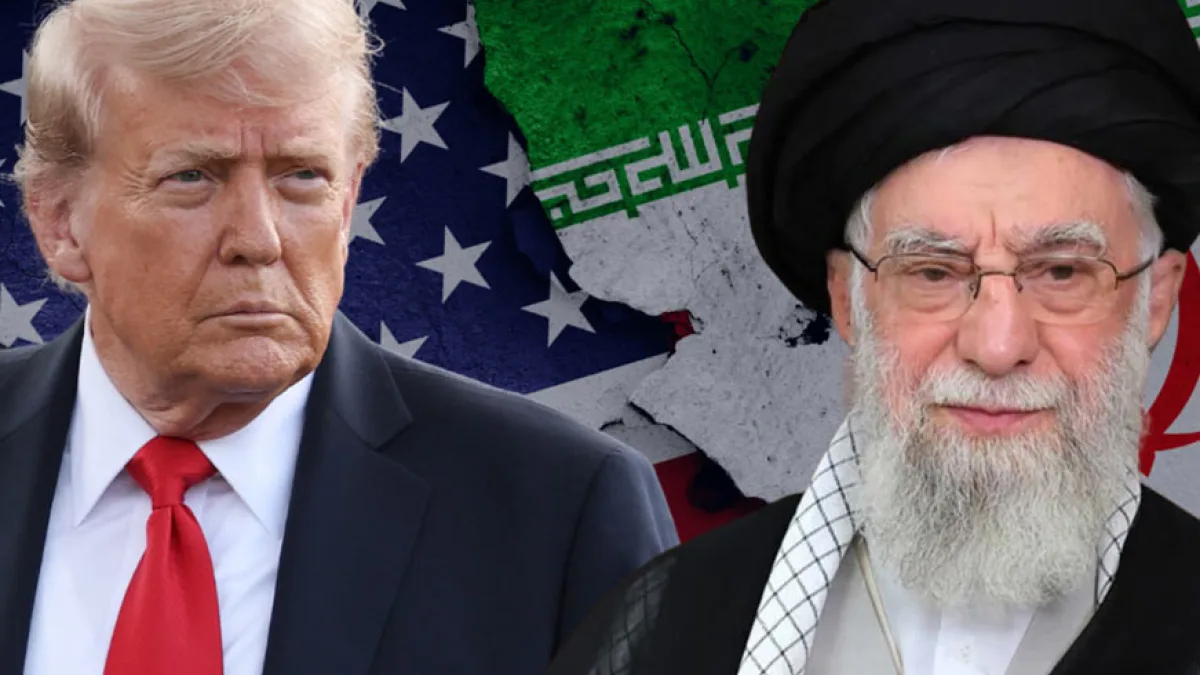
President Donald Trump’s recent visit to China is being widely viewed by supporters and administration officials as a major success for the White House, marking a significant moment in the relationship between the world’s two largest economies. The trip included high-level meetings with Chinese leadership focused on trade disputes, security concerns, and broader economic cooperation
President Donald Trump’s recent visit to China is being widely viewed by supporters and administration officials as a major success for the White House, marking a significant moment in the relationship between the world’s two largest economies. The trip included high-level meetings with Chinese leadership focused on trade disputes, security concerns, and broader economic cooperation between Washington and Beijing.
The visit comes at a critical time for both countries. Tensions over tariffs, technology competition, military activity in the Pacific, and global supply chains have placed enormous pressure on the U.S.-China relationship in recent years. Against that backdrop, the administration framed the trip as an opportunity to negotiate from a position of strength while protecting American interests.
Trump’s approach to China has long differed from previous administrations. Rather than emphasizing gradual engagement, he has consistently argued that the United States must take a firmer stance on trade imbalances, manufacturing losses, and intellectual property concerns. Supporters believe this strategy has forced Beijing to take American demands more seriously.
12,200+
patriots joined
Keep reading — stay on the brief
Daily MAGA briefing in your inbox. Free, unsubscribe anytime.
According to administration officials, the meetings produced progress on several key issues tied to trade access and economic cooperation. While details of certain discussions remain private, the White House indicated that the visit helped stabilize communication between both governments while preserving leverage for future negotiations.
The optics of the visit also played an important role. Trump was welcomed with formal ceremonies and extensive diplomatic engagement, signaling the significance both governments placed on the meetings. Supporters argue the trip projected strength and reinforced the image of the United States as a dominant global power capable of negotiating directly with major rivals.
Economic issues were central throughout the discussions. The administration has repeatedly emphasized the importance of reducing dependence on foreign manufacturing while ensuring fair treatment for American companies operating overseas. China remains one of America’s largest trading partners, meaning even small policy changes can have major economic effects.
National security concerns also remain at the forefront of the relationship. Discussions reportedly included military tensions in the Pacific region, cybersecurity threats, and broader geopolitical stability. The administration has maintained that open communication with China is necessary even during periods of strategic competition.
For many conservatives, the visit represents a continuation of Trump’s America First foreign policy approach. Rather than prioritizing multinational agreements or global institutions, the administration has emphasized direct negotiation, economic leverage, and bilateral pressure to secure outcomes it believes benefit American workers and businesses.
Critics remain skeptical, arguing that China has historically made promises during negotiations while resisting major structural reforms. Others caution that economic cooperation must be balanced carefully against long-term security concerns involving technology, trade dependency, and military influence.
Still, the administration is portraying the visit as evidence that strong leadership and direct engagement can produce results without compromising American interests. Supporters believe Trump’s willingness to confront Beijing directly has reshaped how future presidents will approach China moving forward.
As both countries continue navigating one of the most consequential relationships in the world, the impact of the visit will likely unfold over time. But for now, the White House is celebrating the trip as a diplomatic and political win that reinforces Trump’s broader strategy on the global stage.