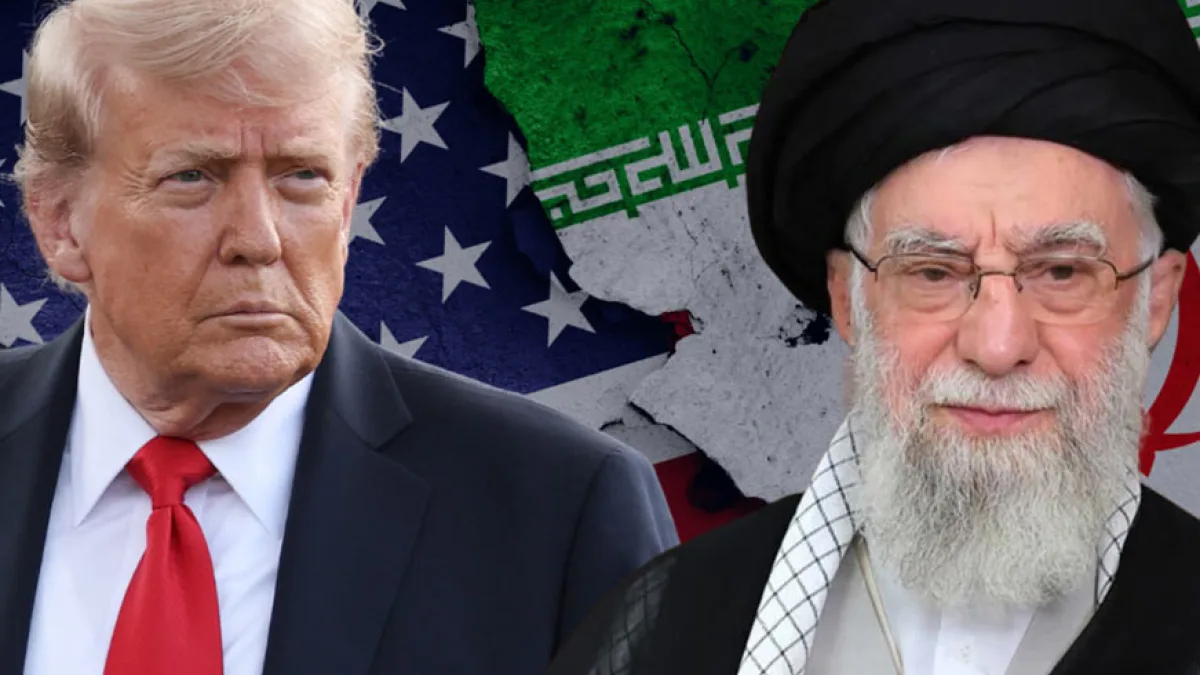
President Donald Trump made headlines after deciding to return to the White House rather than attend his son Donald Trump Jr.’s wedding celebration in the Bahamas, citing urgent responsibilities connected to the ongoing Iran crisis. The move came as tensions surrounding negotiations and military planning in the Middle East continued to intensify. Trump had previously
President Donald Trump made headlines after deciding to return to the White House rather than attend his son Donald Trump Jr.’s wedding celebration in the Bahamas, citing urgent responsibilities connected to the ongoing Iran crisis. The move came as tensions surrounding negotiations and military planning in the Middle East continued to intensify.
Trump had previously indicated he hoped to attend the wedding, describing it as a small private gathering for Don Jr. and Bettina Anderson. However, as developments involving Iran accelerated, the president ultimately revised his schedule and returned directly to Washington instead of traveling to the celebration.
In public remarks and social media statements, Trump emphasized that remaining at the White House was necessary because of the seriousness of ongoing international events. He pointed specifically to tensions involving Iran and broader national security concerns as reasons he believed it was important to stay in Washington during what he described as a critical period.
12,200+
patriots joined
Keep reading — stay on the brief
Daily MAGA briefing in your inbox. Free, unsubscribe anytime.
The decision quickly sparked reactions across political and media circles. Supporters praised the move as evidence that Trump was prioritizing presidential responsibilities over personal celebrations during a dangerous geopolitical situation. Critics, meanwhile, questioned whether the administration was signaling that conditions with Iran may be more serious than publicly acknowledged.
The backdrop to the decision is an increasingly volatile situation involving Iran, regional military activity, and ongoing negotiations tied to ceasefire discussions and nuclear concerns. Administration officials have reportedly been evaluating multiple diplomatic and military options as pressure continues to mount on Tehran.
Trump’s relationship with Don Jr. has long been viewed as one of the closest among his children, making the decision particularly notable. Don Jr. has become a major political ally and public defender of his father over the years, frequently campaigning, fundraising, and speaking on behalf of the America First movement.
The wedding itself was reportedly designed to remain relatively private and low-profile, especially given the global tensions unfolding overseas. Still, the president’s absence instantly transformed the family event into a national political story tied directly to the administration’s handling of foreign affairs.
Supporters argue the situation highlights the unique pressures faced by presidents during moments of international uncertainty. Unlike most public officials, presidents are expected to remain available around the clock when conflicts escalate or negotiations reach critical stages.
The White House has not publicly detailed the specific meetings or intelligence briefings that required Trump’s return to Washington, though reports indicate ongoing consultations involving diplomatic and security officials.
For many Americans, the moment reinforces the reality that presidential responsibilities often extend far beyond politics and public appearances. Whether supporters or critics agree with Trump’s broader foreign policy strategy, the decision to skip a major family milestone underscores the weight of leadership during moments of global tension.