Breaking Sen. John Kennedy (R-La.) told a crowd of more than 1,300 Iowa Republicans Saturday evening that he expects the ongoing U.S. war with Iran to be resolved within six months, predicting the move would ease oil prices and cool inflation nationwide. Kennedy delivered the remarks as the keynote speaker at the Iowa Faith and
Breaking
Sen. John Kennedy (R-La.) told a crowd of more than 1,300 Iowa Republicans Saturday evening that he expects the ongoing U.S. war with Iran to be resolved within six months, predicting the move would ease oil prices and cool inflation nationwide. Kennedy delivered the remarks as the keynote speaker at the Iowa Faith and Freedom Coalition’s fall fundraiser at the Airport Holiday Inn in Des Moines. “I believe that that war will be concluded within the next six months. And I think you will see the price of oil come down and inflation come down with it,” Kennedy told the crowd.
Kennedy did not mince words connecting the conflict to the pocketbook issues weighing on voters heading into the 2026 midterms. “There’s no sense bubble-wrapping it. That is — that is the genesis of the inflation,” he said, adding bluntly, “oil is in everything, folks.” His comments mark one of the more specific public timelines offered by a sitting Republican senator for how long the conflict, now stretching into its seventh month, is expected to continue.
12,200+
patriots joined
Keep reading — stay on the brief
Daily MAGA briefing in your inbox. Free, unsubscribe anytime.
Details & Background
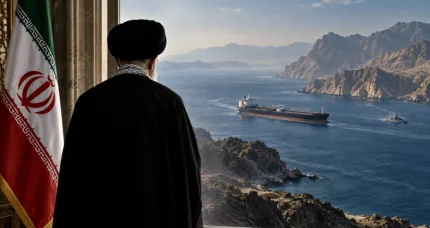
The U.S.-Iran war began February 28, 2026, when President Trump ordered Operation Epic Fury, a coordinated campaign of American and Israeli airstrikes against Iranian military infrastructure, including ballistic missile facilities and command centers. The strikes rapidly escalated into a broader regional conflict involving multiple countries, with Iran launching retaliatory missile and drone attacks against Israel, Gulf states, and U.S. installations across the Middle East. Seven months later, the war remains active, with Iran this week threatening “astonishing” new weapons capabilities and Trump warning that “very big things” are coming in response.
The economic fallout has been significant. Energy analysts and federal researchers, including the Federal Reserve Bank of Dallas, have tracked a sustained rise in oil prices tied directly to the conflict, with some projections warning inflation could climb toward 4.2 percent this year as a result. Kennedy has consistently argued for maintaining sanctions and a naval blockade on Iran rather than expanding the bombing campaign further, citing the toll rising energy costs are taking on American families already squeezed by years of high prices.
Reactions
Kennedy used the Iowa appearance to rally support for Rep. Ashley Hinson’s 2026 Senate campaign, calling her “temperate,” “thoughtful,” and “an adult,” before telling the crowd, “If you don’t like Ashley, you’re probably going to hell.” Kennedy campaigned alongside Wyoming Sen. John Barrasso at the same swing through Iowa, where the pair also promoted the “One Big Beautiful Bill,” the GOP’s signature tax-cut package.
Iowa Republicans in attendance included Rep. Mariannette Miller-Meeks and congressional candidates Joe Mitchell and Chris McGowan, underscoring the stakes state Republicans are placing on a Senate race and several competitive House seats heading into November. The White House has not issued its own timeline for the conflict’s resolution, and Kennedy’s six-month prediction represents his personal assessment rather than an official administration position.
Why This Matters to You
For American families, the connection Kennedy draws between the Iran war and inflation is not abstract — it shows up every time they fill up their car or shop for groceries. Energy costs ripple through nearly every sector of the economy, and a resolution to the conflict could mean real, measurable relief at a time when household budgets remain stretched. Kennedy’s willingness to put a public timeline on the war also gives voters a benchmark to hold the administration accountable to as the 2026 midterms approach.
The stakes extend well beyond gas prices. The war’s outcome will shape America’s posture toward Iran for years, the security of U.S. troops and allies across the Middle East, and the broader question of how the country balances military commitments against the economic pressures faced by working Americans. As Kennedy and other Republicans hit the campaign trail this fall, expect the war’s timeline — and its cost to American families — to remain front and center in the fight for control of Congress.