Breaking Two years have passed since a gunman opened fire on Donald Trump during a campaign rally in Butler, Pennsylvania, striking his upper right ear and bringing the country within inches of a national catastrophe. Trump was speaking about illegal immigration under the Biden administration on July 13, 2024, when shots rang out from the
Breaking
Two years have passed since a gunman opened fire on Donald Trump during a campaign rally in Butler, Pennsylvania, striking his upper right ear and bringing the country within inches of a national catastrophe. Trump was speaking about illegal immigration under the Biden administration on July 13, 2024, when shots rang out from the roof of a nearby building. Secret Service agents rushed onto the stage, covered Trump, and moved him toward safety.
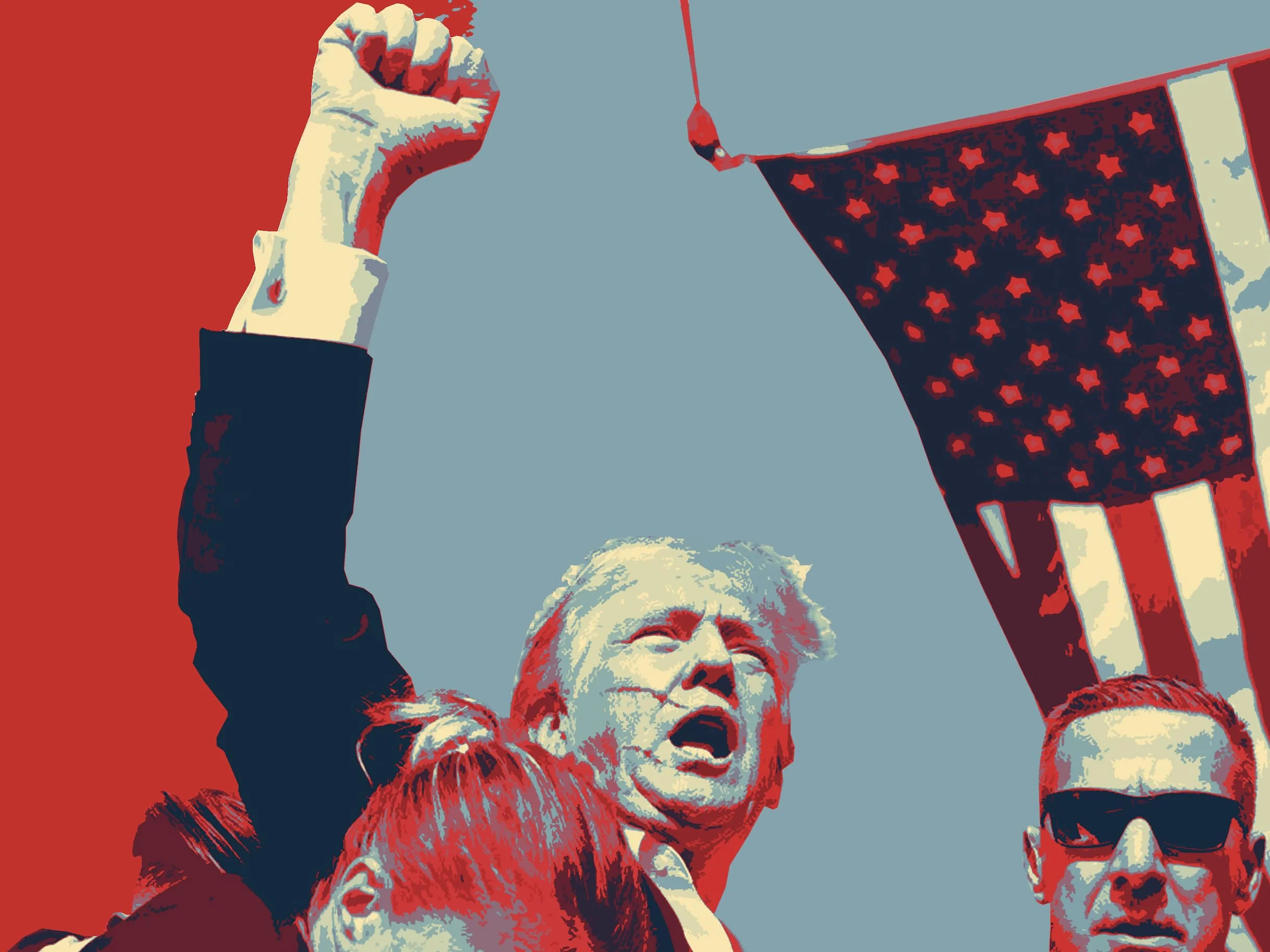
As agents helped him stand, Trump emerged with blood visible on his face and raised his fist above the protective formation. He repeatedly said “fight” as supporters answered with chants of “U-S-A.” The moment became one of the defining images of his campaign and a symbol of defiance for millions of Americans who watched a presidential candidate survive an assassination attempt in real time.
12,200+
patriots joined
Keep reading — stay on the brief
Daily MAGA briefing in your inbox. Free, unsubscribe anytime.
The attack killed volunteer firefighter Corey Comperatore, who was shielding his family from the gunfire, and wounded two other rally attendees. A Secret Service counter-sniper killed the gunman, identified by authorities as Thomas Matthew Crooks. Trump survived, went on to win the presidential election, and returned to the White House, but the failures that allowed the attack have remained under investigation.
A newly highlighted inspector general report concluded that the Secret Service missed multiple opportunities to prevent or disrupt the shooting. Investigators identified weak communication, limited intelligence sharing, and poor coordination among federal, state, and local authorities. The findings have renewed concern that warnings observed before the rally were not delivered quickly enough to the agents responsible for Trump’s immediate protection.
Details & Background
Crooks reached a rooftop overlooking the rally grounds despite having drawn the attention of law enforcement before the shooting began. According to the inspector general’s findings, Trump’s protective detail was not properly warned that the suspicious individual had possessed a rangefinder, had been seen with a long gun, and had climbed onto the nearby roof. Those details should have triggered an immediate and coordinated response.
The watchdog concluded that the agency’s lack of adequate policies and procedures, combined with limited information sharing and poor collaboration, created the conditions for missed opportunities. The report’s findings make clear that the danger did not materialize without warning. Multiple pieces of information existed, but the security system failed to assemble and communicate them before Crooks opened fire.
The Butler attack was followed by another alleged assassination attempt near Trump International Golf Club in West Palm Beach, Florida. Authorities arrested Ryan Wesley Routh after a Secret Service agent spotted him near the property with a rifle. Federal prosecutors later charged Routh with attempting to assassinate Trump, further demonstrating that Butler was not the end of the danger facing the future president.
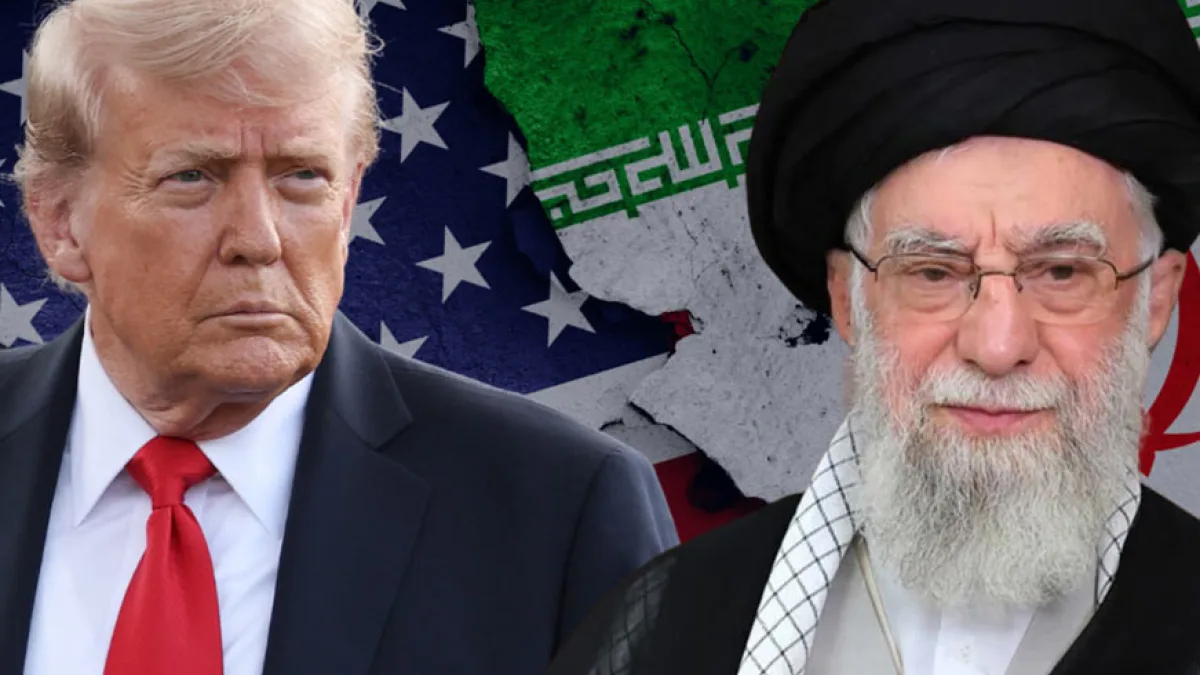
Reported foreign threats have added another level of concern. Recent reports cited intelligence warning of a possible Iranian plot against Trump amid escalating tensions between Washington and Tehran. Trump responded with a severe warning that the United States would “decimate and destroy” Iran if its government carried out an assassination attempt against him. The Secret Service had not publicly commented directly on those reports at the time of the referenced coverage.
Reactions
The most enduring public reaction to Butler remains Trump’s response in the seconds after the attack. Rather than allowing himself to be carried silently from the stage, he raised his fist and urged the crowd to “fight.” Supporters saw the gesture as evidence of courage under fire, while the image quickly became inseparable from the political movement that returned him to the presidency.
The tragedy also remains inseparable from the sacrifice of Corey Comperatore. The firefighter and father died while protecting his family as bullets crossed the rally grounds. His death is a reminder that the attack did not affect only Trump or the Secret Service. Ordinary Americans who attended a lawful political gathering were placed in mortal danger because the security perimeter failed.
Federal investigators have delivered a harsher institutional assessment. The inspector general said the Secret Service’s lack of policy, limited intelligence sharing, and poor communication helped create the circumstances in which critical opportunities were lost. The report did not treat the shooting as an unforeseeable event. It documented failures that occurred before the first shot was fired.
Those findings have kept pressure on the government to prove that meaningful reforms have followed. Reassignments or disciplinary measures alone cannot resolve structural problems involving communications technology, command authority, site security, rooftop coverage, and cooperation with local law enforcement. The central question is whether agents now receive critical threat information fast enough to act before a protectee is exposed.
Why This Matters to You
The assassination attempt in Butler was an attack on more than Donald Trump. It threatened the stability of the United States, endangered innocent citizens, and demonstrated how quickly failures in government protection can place the country on the edge of crisis. Americans must be able to attend a political rally without fearing that obvious security vulnerabilities have been overlooked.
The fact that Trump was discussing illegal immigration when the shots began also gave the moment lasting political resonance. He was presenting his case against the Biden administration’s border record when an assassin’s bullet interrupted him. His survival, raised fist, and return to the campaign trail transformed what could have been a moment of national devastation into a defining display of resolve.
The federal government must fully implement the lessons of Butler. That means establishing clear command structures, ensuring that local officers and federal agents can communicate instantly, securing every elevated position with a direct line of sight, and requiring suspicious-person reports to reach the protective detail without delay. Inspectors must continue testing those reforms rather than assuming that written policy changes have solved operational failures.
Two years later, the danger has not faded into history. Subsequent alleged attempts and reported foreign threats show that protecting the president requires constant vigilance. Butler remains a warning written in blood: security failures that appear procedural on paper can have irreversible consequences for families, the presidency, and the entire nation.