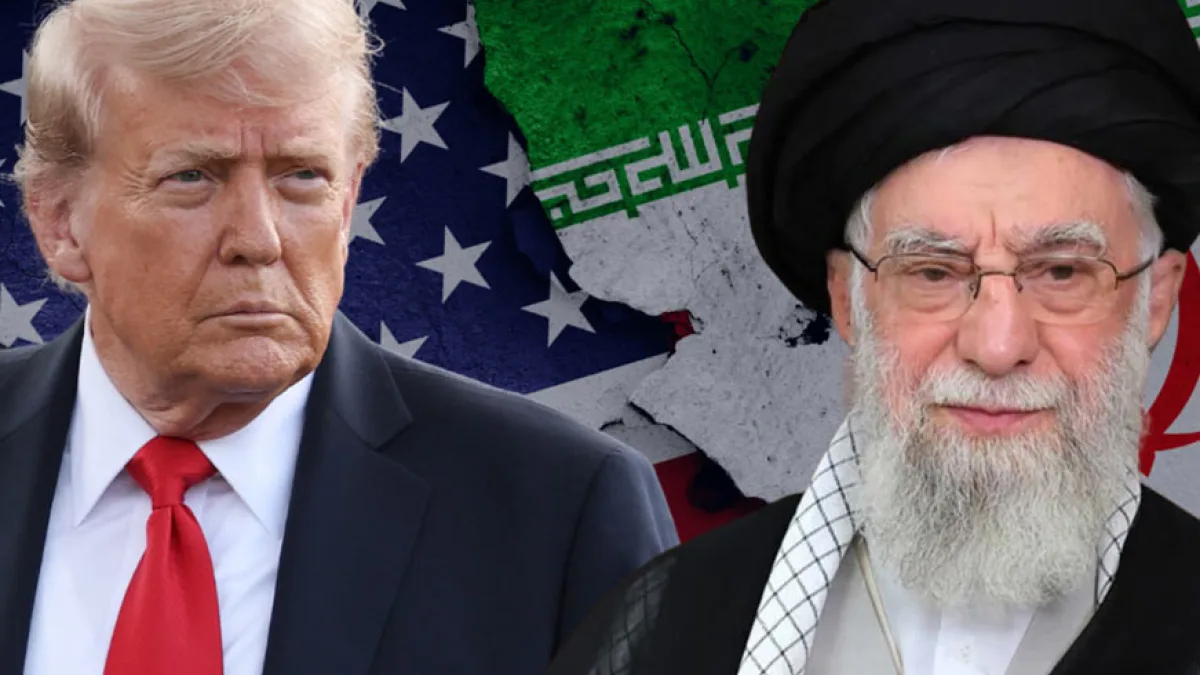
Breaking President Donald Trump said Iran violated the ceasefire agreement with the United States after a drone strike hit a cargo ship in the Strait of Hormuz, one of the world’s most critical maritime routes. Trump called the alleged attack a “foolish violation” and said the strike caused damage to the vessel, though the ship
Breaking
President Donald Trump said Iran violated the ceasefire agreement with the United States after a drone strike hit a cargo ship in the Strait of Hormuz, one of the world’s most critical maritime routes. Trump called the alleged attack a “foolish violation” and said the strike caused damage to the vessel, though the ship was able to continue moving.
According to the reported account, Trump said one drone struck the upper deck of the ship and that the United States shot down three other drones. The president did not identify the ship or state the exact time of the strike, but the British military said a vessel had been hit by a projectile off the coast of Oman.
12,200+
patriots joined
Keep reading — stay on the brief
Daily MAGA briefing in your inbox. Free, unsubscribe anytime.
Details & Background
The Strait of Hormuz is a vital passageway for global energy supplies, making any military activity in the area a serious national security concern. A strike near that corridor does not simply affect one ship; it can ripple through oil markets, shipping lanes, military posture, and the daily cost of living for American families.
The incident comes as the United States and Iran are working toward a more permanent end to the conflict. That makes Trump’s accusation especially significant. A ceasefire is supposed to reduce the risk of wider war, but a drone attack during negotiations signals either a breakdown in control or a deliberate test of American resolve.
Reactions
Trump’s response was direct and unmistakable. By calling the alleged attack a “foolish violation,” he framed the strike not as an isolated accident, but as a breach of a diplomatic agreement that Washington must take seriously.
The broader response now centers on how the United States should protect American interests while preventing Iran from exploiting the negotiating table. The report that U.S. forces shot down three additional drones suggests the administration is already treating the situation as an active security threat, not merely a diplomatic dispute.
Why This Matters to You
For Americans, this is about more than foreign policy. Hostile action in the Strait of Hormuz can affect gas prices, military deployments, supply chains, and the safety of U.S. personnel overseas. When adversaries believe they can violate agreements without paying a price, the danger eventually reaches American households.
The government should respond with clarity, strength, and discipline. That means protecting shipping lanes, verifying every claim, holding Iran accountable if the evidence confirms responsibility, and making clear that peace talks cannot become cover for aggression. The moment demands seriousness because weak enforcement abroad often becomes higher costs and greater danger at home.