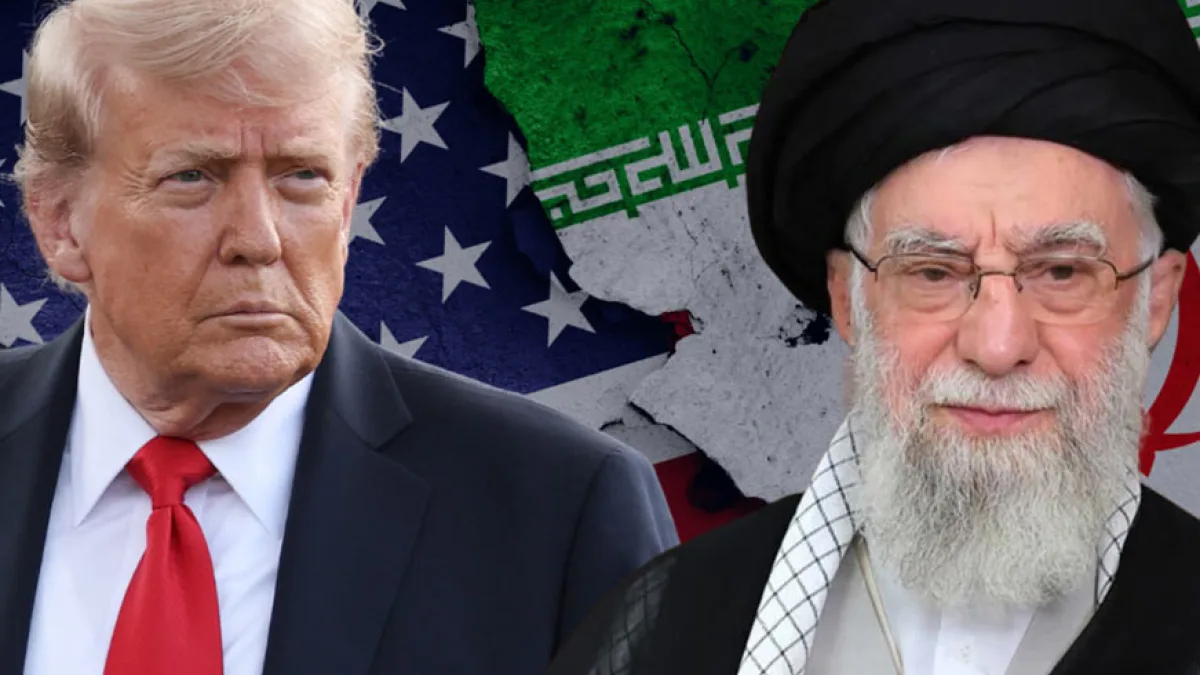
Breaking President Donald Trump announced that his administration was declassifying intelligence that he says shows China illegally acquired approximately 220 million American voter files. Speaking from the White House, Trump characterized the incident as “the largest compromise of election data in history” and said the information included voter identities and political preferences. The allegatio
Breaking
President Donald Trump announced that his administration was declassifying intelligence that he says shows China illegally acquired approximately 220 million American voter files. Speaking from the White House, Trump characterized the incident as “the largest compromise of election data in history” and said the information included voter identities and political preferences. The allegation places renewed attention on the vulnerability of databases maintained by governments, political organizations, and commercial data companies.
Trump presented the disclosure as part of a broader examination of foreign activity surrounding the presidential election and the way intelligence was handled inside the federal government. He accused elements of the intelligence community of minimizing or withholding information concerning China’s conduct, including material that he believes should have reached him through presidential intelligence briefings. The administration has begun releasing documents that Trump says support his assertions, although portions reportedly remain redacted and the full scope of the underlying evidence has not yet been publicly established.
12,200+
patriots joined
Keep reading — stay on the brief
Daily MAGA briefing in your inbox. Free, unsubscribe anytime.
Details & Background
According to Trump’s account, Chinese operatives obtained voter-related data containing names, addresses, telephone numbers, and information concerning political affiliations or preferences. The president said the effort began before the election and was intended to provide Beijing with an extraordinary collection of information about the American electorate. Such a database could have intelligence value even without directly changing a ballot, because it might allow a foreign government to identify individuals, map political networks, create targeted propaganda, or conduct sophisticated cyber and influence operations.
The president also alleged that intelligence relating to possible Chinese election activity was suppressed or discounted by officials who did not want the findings included in high-level assessments. Previous public intelligence assessments concluded that China considered influence activity but did not undertake the same type of comprehensive election-interference campaign attributed to other foreign powers. News organizations reviewing Trump’s address noted that the newly announced documents must be examined carefully to determine whether they change those earlier conclusions or primarily reveal internal disagreements among intelligence analysts.
Reactions
Trump said the disclosure demonstrated why the United States must take foreign threats to election systems more seriously. “China illegally acquired 220 million U.S. voter files,” he said, presenting the allegation as evidence that Beijing possessed sensitive information on a vast majority of registered American voters. He also argued that officials who knowingly withheld or mischaracterized intelligence should be investigated, regardless of their position or agency.
Critics responded that acquiring voter data would not, by itself, prove that ballots were altered or that an election result was changed. They also noted that some voter-registration information is publicly accessible under state laws, although a consolidated database containing extensive personal and political information would still represent a significant counterintelligence concern. China has denied allegations of election interference, while Trump’s political opponents have accused him of using unresolved questions about foreign activity to revive disputes surrounding the election.
Why This Matters to You
The central issue extends beyond any single candidate or election. If a hostile foreign power obtained detailed records on 220 million American voters, families could face risks involving identity fraud, digital targeting, political intimidation, and manipulation through personalized misinformation. The American people have a right to know which databases were compromised, whether Social Security numbers or other protected information were exposed, which government agencies knew about the incident, and what measures have been taken to prevent another breach.
The federal government should conduct a transparent investigation involving intelligence officials, cybersecurity experts, state election authorities, and appropriate congressional committees. Officials must distinguish clearly between the theft of voter information, efforts to influence public opinion, and any evidence involving voting systems or ballots. At the same time, agencies responsible for national security cannot dismiss the alleged collection of Americans’ political data as harmless simply because it may not have directly altered a vote.
Trump’s disclosure also strengthens demands for modernized election cybersecurity and stricter protection of voter databases. State systems vary widely in age, funding, and security, creating opportunities for foreign governments and criminal organizations to exploit weak points. Federal assistance should focus on secure databases, rapid breach reporting, verified citizenship procedures, auditable voting systems, and clear lines of responsibility when foreign activity is discovered.
Americans should not have to choose between confidence in election results and honest scrutiny of foreign threats. Both are necessary. The government’s duty is to disclose verified facts, protect citizens’ information, investigate misconduct without political favoritism, and ensure that no foreign adversary can quietly assemble a detailed political profile of the American people. The allegations surrounding 220 million voter files demand answers grounded in evidence—and an urgency equal to the scale of the threat.