Breaking President Donald Trump announced Wednesday morning that Iran has requested a ceasefire amid escalating tensions, setting the stage for a major national address scheduled for later in the evening. The announcement came via a Truth Social post, where Trump outlined both openness to negotiation and firm conditions for any agreement. “Iran’s New Regime President…
Breaking
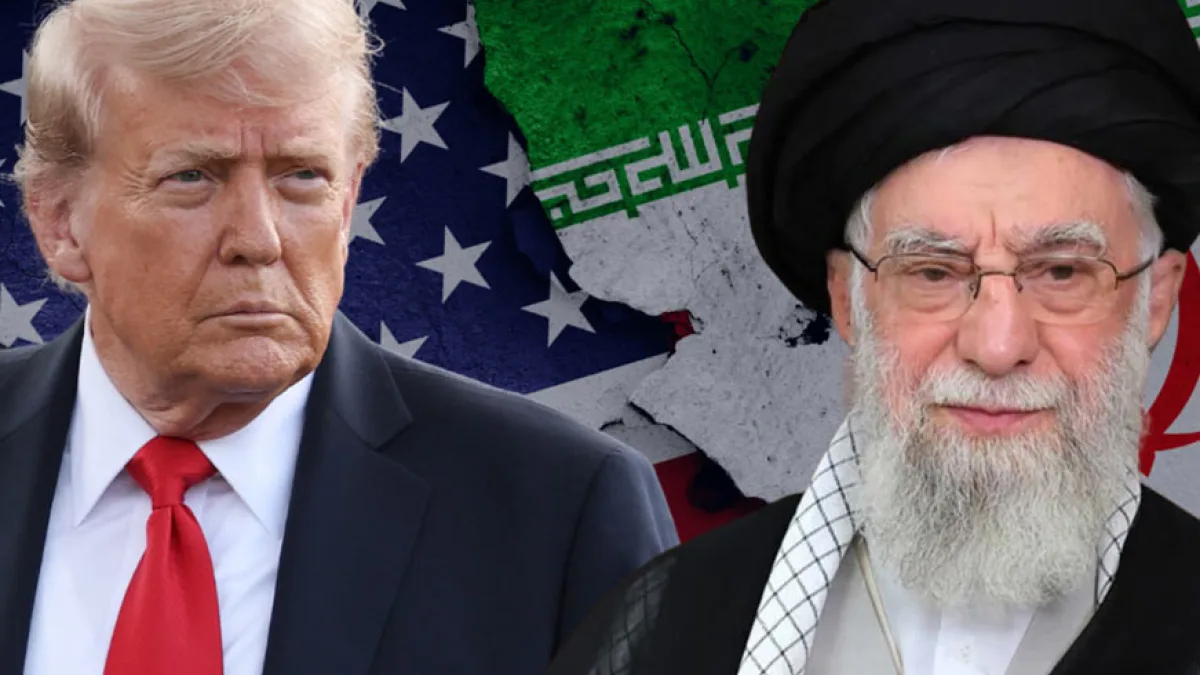
President Donald Trump announced Wednesday morning that Iran has requested a ceasefire amid escalating tensions, setting the stage for a major national address scheduled for later in the evening. The announcement came via a Truth Social post, where Trump outlined both openness to negotiation and firm conditions for any agreement.
“Iran’s New Regime President… has just asked the United States of America for a CEASEFIRE!” Trump wrote. However, he made clear that any consideration would depend on a critical requirement: the reopening of the Strait of Hormuz. “We will consider when Hormuz Strait is open, free, and clear.”
12,200+
patriots joined
Keep reading — stay on the brief
Daily MAGA briefing in your inbox. Free, unsubscribe anytime.
Details & Background
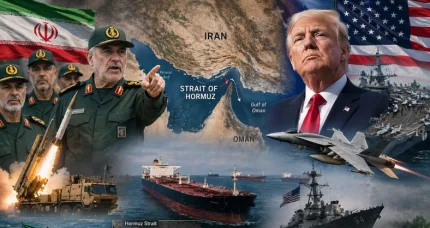
The Strait of Hormuz is one of the most strategically important waterways in the world, serving as a key route for global oil shipments. Its closure amid the ongoing U.S.-Iran conflict has caused significant disruptions in energy markets, sending oil prices higher and creating economic uncertainty worldwide.
Trump has consistently emphasized that restoring free navigation through the strait is nonnegotiable. His administration has reportedly deployed substantial military assets to the region, including Special Operations Forces, Marines, and paratroopers, to maintain pressure on Iran while preserving multiple response options.
According to officials, the United States has already achieved key objectives, including degrading Iran’s missile capabilities and weakening its military infrastructure. Trump has suggested that the conflict could conclude within weeks if conditions are met, indicating a potential path toward resolution without prolonged engagement.
Reactions
Trump’s remarks have sparked widespread reaction from both allies and analysts. Supporters view the strategy as a demonstration of strength—leveraging military success to force diplomatic concessions while maintaining clear conditions for peace.
At the same time, reports of indirect communications between U.S. and Iranian officials have fueled speculation that a deal may be within reach. Despite Iran publicly denying formal negotiations, the existence of backchannel discussions suggests movement behind the scenes.
Critics have expressed concern about the intensity of U.S. operations, particularly as discussions reportedly include targeting Iran’s energy infrastructure, such as Kharg Island. However, others argue that such measures reinforce negotiating leverage and accelerate the timeline for resolution.
Why This Matters to You
The outcome of this conflict directly impacts global energy prices, economic stability, and U.S. national security. A reopened Strait of Hormuz would ease market volatility and restore a critical flow of resources that many countries depend on.
The federal government’s approach—combining military pressure with conditional diplomacy—reflects a strategy aimed at achieving results without committing to a prolonged war. Trump’s insistence on clear terms signals a shift toward negotiations that prioritize American interests and global stability.
As the situation develops, the decisions made in the coming days could determine whether the conflict de-escalates or intensifies. With a major address expected, Americans are watching closely as leadership navigates a critical moment with far-reaching consequences.