Breaking President Donald Trump rejected reports suggesting that Washington would pay Iran a massive sum of money as part of a proposed peace framework, calling the claim “Fake News.” According to The Economic Times, Trump wrote on Truth Social, “The story that the U.S. is paying Iran 300 million Dollars is Fake News, put out
Breaking
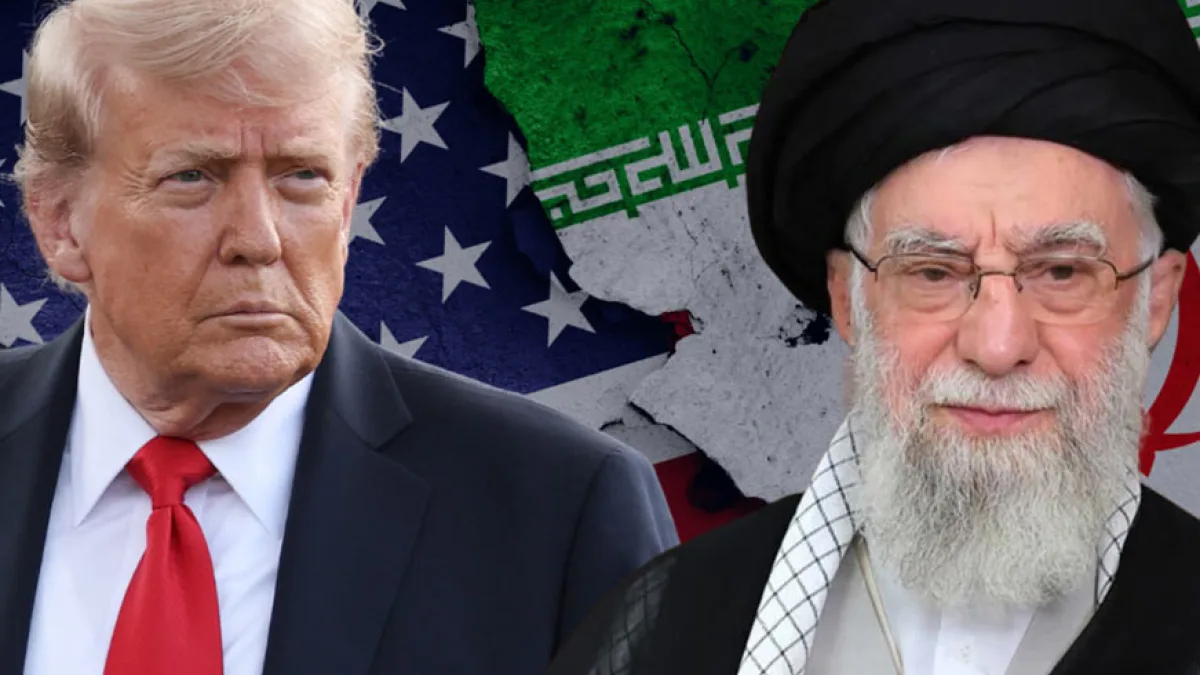
President Donald Trump rejected reports suggesting that Washington would pay Iran a massive sum of money as part of a proposed peace framework, calling the claim “Fake News.” According to The Economic Times, Trump wrote on Truth Social, “The story that the U.S. is paying Iran 300 million Dollars is Fake News, put out by the Dumocrats.” The report noted that the controversy followed claims about a possible $300 billion investment fund connected to Iran’s compliance with a broader settlement.
The central distinction is important. Reports described the proposed fund as a mechanism for companies interested in investing in Iran if sanctions are lifted, not as a direct U.S. government payment to Tehran. The Economic Times reported that the fund would be contingent on Iran agreeing to a final settlement, including nuclear-related commitments, and that officials emphasized no money had flowed to Iran.
12,200+
patriots joined
Keep reading — stay on the brief
Daily MAGA briefing in your inbox. Free, unsubscribe anytime.
Details & Background
Vice President JD Vance also addressed the issue, warning that there was “a lot of fake information” circulating about the proposed peace plan. In a statement reported by Just the News, Vance said the plan, if finalized, would reopen the Strait of Hormuz and help bring the war to an end. He described the structure as one designed to prioritize concerns held by the United States and its allies.
Vance was direct on the money question. He said, “the Iranians are not receiving any cash,” and added that no funds are being released merely because Iran signs a deal or attends a meeting. He explained that economic benefits would flow only if Iran meets its obligations under the framework, placing the focus on performance rather than a blank check.
Reactions
The political fight centers on how the proposed framework is being described. Critics seized on the large dollar figure to suggest that Trump was giving Iran a major financial reward. Trump pushed back by framing that claim as a false political attack, while Vance’s statement attempted to separate direct government payments from conditional economic incentives tied to Iran’s conduct.
Fact-checking and international reports have made the same distinction: a reconstruction or investment fund has been discussed, but the claim that Trump is personally handing Iran hundreds of billions in U.S. cash is misleading when the structure is described as international investment or private-sector activity rather than direct taxpayer payment. The debate remains intense because Iran’s nuclear program, sanctions relief, and regional behavior remain high-stakes issues for the United States and its allies.
Why This Matters to You
For American families, the question is simple: is the government sending taxpayer money to Iran, or is it using leverage to force Iran into compliance? Trump and Vance are arguing that the answer is the latter. Their position is that Iran should receive no cash for words, no rewards for empty promises, and no relief without measurable behavior that protects American interests.
The government should continue making the terms public, drawing a bright line between investment incentives and taxpayer-funded payments, and keeping sanctions relief tied to Iran’s conduct on nuclear weapons, regional aggression, and terror support. In a dangerous world, clarity matters. Americans need leaders who will reject misleading headlines, demand accountability from hostile regimes, and put the safety of the United States first.