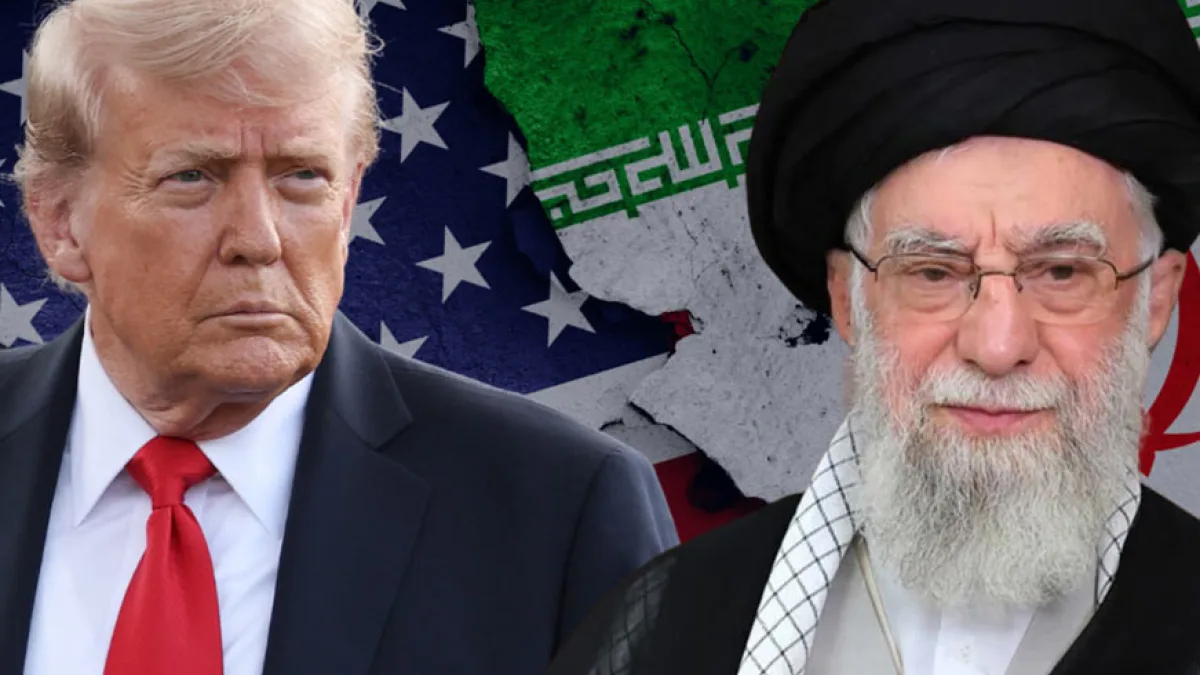
Breaking Defense Secretary Pete Hegseth said the Trump administration does not currently need congressional approval to resume strikes against Iran, according to reports on his testimony and the administration’s position. His argument centers on the ceasefire with Iran and whether that pause affects the legal timeline under the War Powers Resolution. The issue has become
Breaking
Defense Secretary Pete Hegseth said the Trump administration does not currently need congressional approval to resume strikes against Iran, according to reports on his testimony and the administration’s position. His argument centers on the ceasefire with Iran and whether that pause affects the legal timeline under the War Powers Resolution.
The issue has become one of the most closely watched fights in Washington as lawmakers press the Pentagon over the scope, cost, and legal basis of the Iran conflict. Hegseth has maintained that the administration retains the authority it needs to protect American interests, while critics argue that Congress should have a larger role before further military action is taken.
12,200+
patriots joined
Keep reading — stay on the brief
Daily MAGA briefing in your inbox. Free, unsubscribe anytime.
Details & Background
The dispute focuses on the War Powers Resolution, which requires the president to notify Congress after introducing U.S. forces into hostilities and sets limits on continued military involvement without congressional authorization. Reporting on the dispute says the administration has argued that the ceasefire with Iran pauses or stops the deadline, while some lawmakers reject that interpretation and insist that Congress must approve any continued war footing.
Hegseth’s position comes as the Trump administration continues to argue that Iran remains a serious threat to American forces, allies, and regional stability. Earlier in the conflict, Hegseth said the United States was prepared to hit Iran without apology or hesitation if American lives were threatened, describing the mission as focused on stopping missile threats, naval threats, and nuclear ambitions.
Reactions
Democrats have pressed Hegseth over whether the administration is bypassing Congress and whether the conflict has a clear endgame. Some lawmakers have also questioned the rising cost of the operation, with reports noting that Pentagon estimates have placed the conflict’s cost in the tens of billions of dollars.
Hegseth and the administration have framed the matter differently. Their position is that the president must be able to respond to hostile regimes without telegraphing weakness or waiting for political opponents to delay action. For Trump supporters, that argument fits a broader America First approach: avoid endless wars, but strike decisively when American lives and national security are on the line.
Why This Matters to You
For Americans watching from home, this debate is about more than congressional procedure. It is about whether the United States can move quickly when a hostile regime threatens American troops, shipping lanes, allies, or energy security. A president who hesitates in the face of danger can invite aggression; a president who acts decisively can prevent a wider conflict before it spreads.
The government should be honest with taxpayers, clear with Congress, and firm with America’s enemies. At the same time, national security cannot be reduced to partisan theater when American lives are at stake. Hegseth’s message is that the Trump administration believes it has the authority to act if Iran resumes threatening U.S. interests. The urgency now is simple: America must remain strong enough to deter war, prepared enough to win if forced into one, and clear enough that hostile regimes understand the cost of testing the United States.