BreakingIsraeli Prime Minister Benjamin Netanyahu has announced that Iran no longer has the capacity to enrich uranium, marking a significant development in the ongoing tensions surrounding Iran’s nuclear program. The statement comes amid heightened scrutiny over Iran’s activities and years of international concern regarding its potential to develop nuclear weapons. Netanyahu’s declaration signals
Breaking
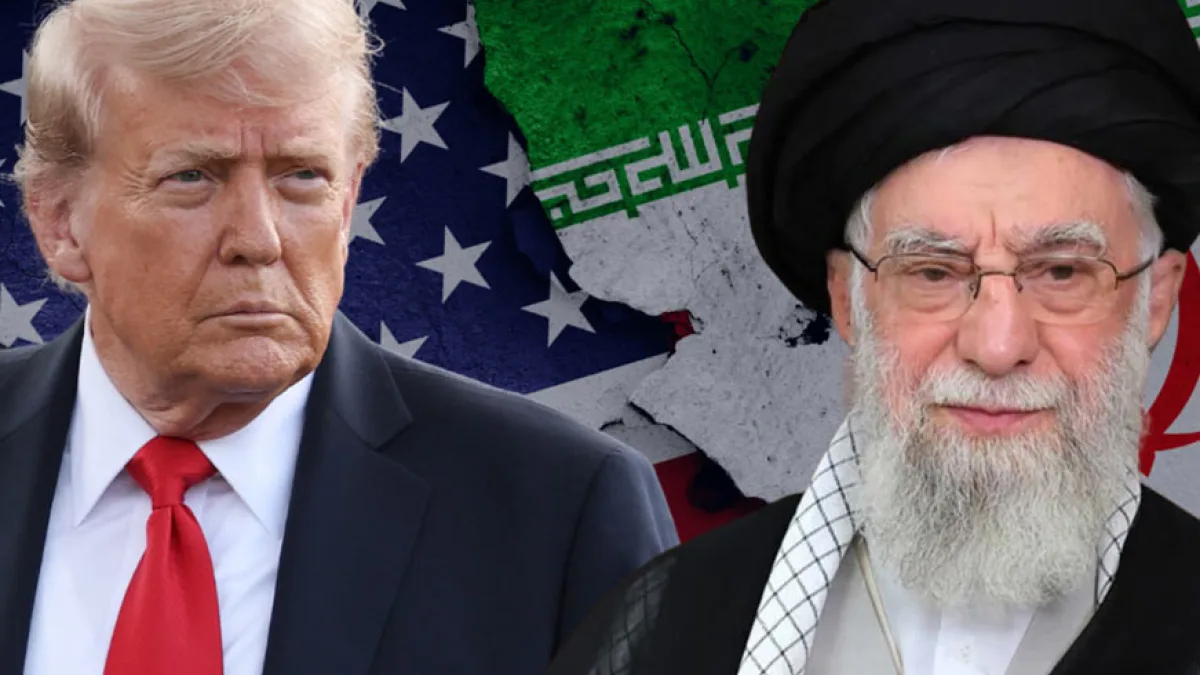
Israeli Prime Minister Benjamin Netanyahu has announced that Iran no longer has the capacity to enrich uranium, marking a significant development in the ongoing tensions surrounding Iran’s nuclear program. The statement comes amid heightened scrutiny over Iran’s activities and years of international concern regarding its potential to develop nuclear weapons.
Netanyahu’s declaration signals what could be a major shift in the balance of power in the Middle East. While details surrounding how Iran’s enrichment capabilities were diminished remain limited, the announcement has quickly drawn global attention. Officials are now working to verify the claim and assess its broader implications for regional and international security.
Details & Background
Iran’s uranium enrichment program has long been at the center of global controversy. Enrichment is a critical step in developing nuclear weapons, and efforts to limit or monitor Iran’s capabilities have been ongoing for years through sanctions, negotiations, and international agreements.
12,200+
patriots joined
Keep reading — stay on the brief
Daily MAGA briefing in your inbox. Free, unsubscribe anytime.
Israel has consistently taken a hard stance against Iran’s nuclear ambitions, viewing them as an existential threat. Netanyahu has repeatedly warned of the dangers posed by a nuclear-capable Iran, advocating for strong measures to prevent such an outcome. This latest statement suggests that those efforts—or related developments—may have significantly altered Iran’s nuclear trajectory.
Reactions
Global leaders and analysts have responded cautiously to Netanyahu’s announcement. One official noted, “If accurate, this represents a major shift, but verification will be key before any conclusions are drawn.” The international community is now closely monitoring intelligence reports to determine the validity and scope of the claim.
Reactions on social media and among policy experts have ranged from optimism to skepticism. Some view the development as a potential breakthrough in reducing nuclear threats, while others urge caution, emphasizing Iran’s history of secrecy surrounding its nuclear activities. The situation remains fluid, with many awaiting further confirmation from independent sources.
Why This Matters to You
Iran’s nuclear capabilities have direct implications for global stability and U.S. national security. A reduction—or elimination—of its enrichment capacity could lower the immediate threat of nuclear escalation, potentially easing tensions in a region that has long been a focal point of conflict.
However, this moment also highlights the importance of continued vigilance. The government must ensure that any claims are thoroughly verified and that appropriate measures remain in place to prevent future threats. For American families, this issue is about more than foreign policy—it’s about safety, stability, and the prevention of global conflict. As developments continue, the world will be watching closely to determine whether this marks a lasting change or a temporary shift in a long-standing challenge.