Oil prices plunged and U.S. stocks soared on Wednesday, April 8, 2026, as global markets reacted with relief to President Donald Trump’s announcement of a two-week ceasefire with Iran that includes the reopening of the critical Strait of Hormuz. The sharp reversal followed Trump’s decision to suspend planned U.S. strikes just hours before his 8
Oil prices plunged and U.S. stocks soared on Wednesday, April 8, 2026, as global markets reacted with relief to President Donald Trump’s announcement of a two-week ceasefire with Iran that includes the reopening of the critical Strait of Hormuz.
The sharp reversal followed Trump’s decision to suspend planned U.S. strikes just hours before his 8 p.m. EST deadline on April 7, after Iran agreed to allow safe passage for ships through the waterway that carries about one-fifth of the world’s oil supply.
West Texas Intermediate (WTI) crude futures dropped more than 15–18% in the session, falling below $95 per barrel at points and settling around $92–$96, marking one of the largest single-day declines since the 2020 pandemic era.
12,200+
patriots joined
Keep reading — stay on the brief
Daily MAGA briefing in your inbox. Free, unsubscribe anytime.
Brent crude, the international benchmark, fell roughly 13–16%, trading down to the low $90s to mid-$90s range after spiking as high as $117–$120 amid fears of prolonged disruption.
The plunge in energy prices came as investors bet that the temporary deal would ease the immediate threat to global oil flows, which had been severely restricted by Iran’s blockade of the Strait of Hormuz during the escalating conflict.
U.S. stock futures surged overnight and carried into the trading day, with the Dow Jones Industrial Average rallying over 1,200 to 1,300 points, or about 2.8–3%, in early gains.
The S&P 500 climbed around 2.3–2.5%, while the Nasdaq Composite posted similar strong advances of nearly 3%, driven by broad relief across sectors sensitive to energy costs and economic stability.
Asian markets led the global rally overnight, with Japan’s Nikkei 225 rising 4.8% and South Korea’s Kospi gaining 5.6% on the news of de-escalation.
European stocks also posted solid gains, reflecting optimism that a wider war in the Middle East had been temporarily averted thanks to Trump’s firm negotiating stance.
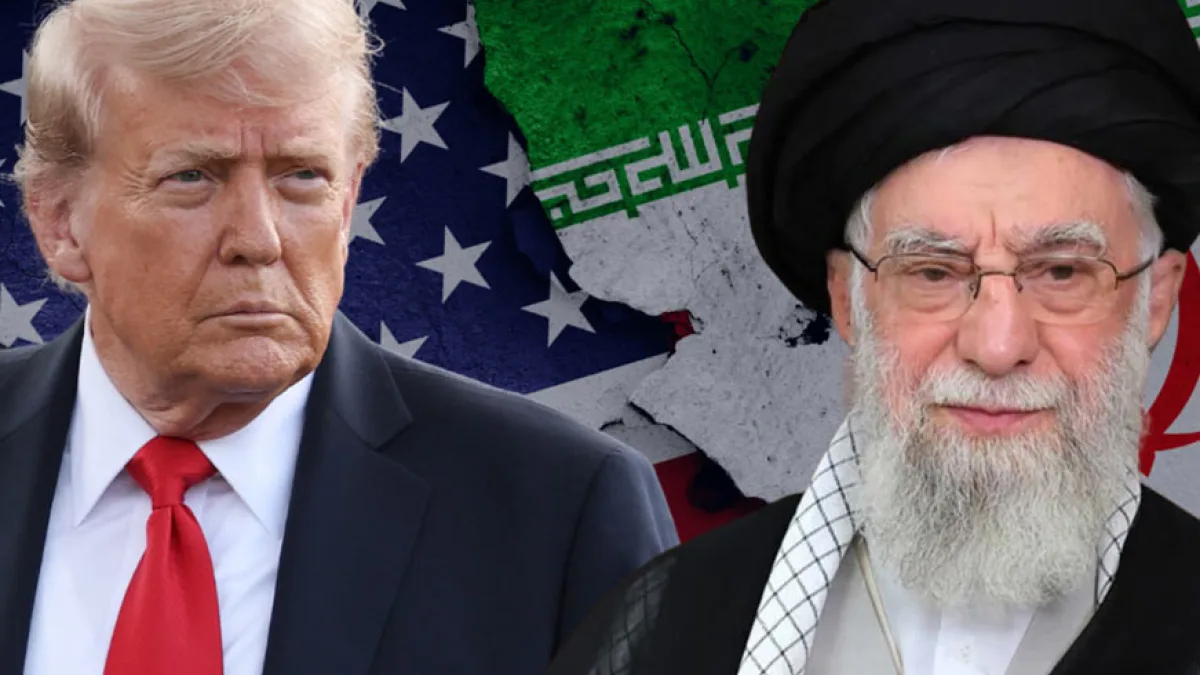
President Trump described the ceasefire as a “double-sided” agreement and praised Iran’s 10-point proposal as a “workable basis” for further talks, framing the outcome as consistent with his “Art of the Deal” approach of applying maximum pressure to achieve results without unnecessary conflict.
The deal requires Iran to ensure the complete, immediate, and safe opening of the Strait of Hormuz for the two-week period in exchange for the U.S. and allies holding off on strikes targeting Iranian infrastructure.
Pakistani officials played a key mediating role, urging the pause to allow diplomacy, which Trump credited in his announcements.
While the ceasefire remains fragile—with Israel expressing some reservations and isolated incidents reported—the initial market reaction underscored investor preference for stability over prolonged energy shocks and geopolitical risk.
Energy stocks faced heavy selling pressure as lower oil prices weighed on sector profits, while airlines, transportation, and consumer discretionary names benefited from reduced fuel cost concerns.
The rally extended to broader indices as lower energy prices are generally seen as a tailwind for economic growth and corporate margins outside the oil patch.
This market surge follows weeks of volatility where oil prices had spiked dramatically due to fears that the conflict would disrupt Persian Gulf exports for an extended period.
Trump had issued stark warnings, including threats of rapid strikes that could destroy bridges and power plants, which heightened tensions but ultimately pressured Iran toward the negotiating table.
Conservative analysts noted that Trump’s high-stakes ultimatum demonstrated strength that forced concessions, contrasting with weaker approaches in prior administrations that often emboldened adversaries.
As of April 9, some recovery in oil prices was noted amid reports of uncertainty, including Iranian accusations of ceasefire breaches and continued regional actions involving Israel and proxies, highlighting that the two-week window is no guarantee of permanent peace.
Still, the immediate relief rally on April 8 reflected widespread hope that the deal could lead to a longer-term resolution and a “Golden Age for the Middle East,” as Trump suggested.