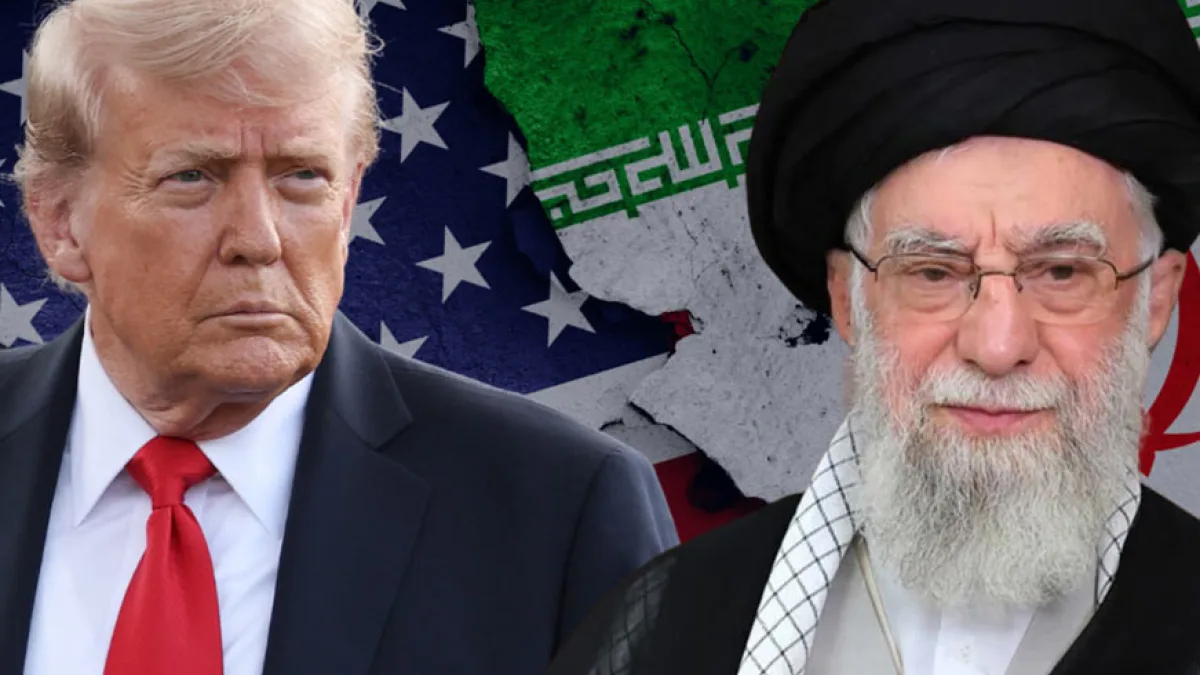
President Donald J. Trump issued a direct warning to China on April 11–13, 2026, stating that Beijing would face 50 percent tariffs on all goods entering the United States if it supplies military equipment, including shoulder-fired air defense systems (MANPADS), to Iran. Trump made the comments in response to U.S. intelligence reports indicating China may
President Donald J. Trump issued a direct warning to China on April 11–13, 2026, stating that Beijing would face 50 percent tariffs on all goods entering the United States if it supplies military equipment, including shoulder-fired air defense systems (MANPADS), to Iran. Trump made the comments in response to U.S. intelligence reports indicating China may be preparing such shipments, possibly routed through third countries.
Trump told reporters, “If China does that, China is gonna have big problems,” and later specified in a Fox News interview that any proven arms transfers would trigger “staggering” new tariffs with no exemptions. He noted he doubts China would proceed due to his relationship with Xi Jinping but made clear the consequences if they do.
This warning comes after the collapse of 21-hour negotiations in Islamabad, Pakistan, over the weekend. Vice President JD Vance led the U.S. delegation, but Iran refused to meet any of America’s six core red lines.
12,200+
patriots joined
Keep reading — stay on the brief
Daily MAGA briefing in your inbox. Free, unsubscribe anytime.
Those red lines included ending all uranium enrichment, dismantling major nuclear facilities, retrieving highly enriched uranium stockpiles, accepting a broader regional peace framework, ending funding for terrorist proxies like Hamas, Hezbollah, and the Houthis, and fully reopening the Strait of Hormuz without tolls or restrictions.
Iran’s refusal to accept these basic security requirements left the fragile two-week ceasefire in doubt. The talks followed Trump’s strong Easter warnings and the temporary pause in hostilities after Iran agreed to safe passage through the strait. The U.S. is not relying on promises alone.
The Strait of Hormuz carries roughly 20 million barrels of oil per day, accounting for about 20 percent of global petroleum liquids consumption and roughly 25 percent of all seaborne traded oil.
Iran’s earlier closure of the waterway disrupted global energy supplies and raised costs for American families at the pump. China, Iran’s largest oil customer, purchased more than 80 percent of Iran’s shipped oil in 2025—an average of about 1.4 million barrels per day, representing around 13–14 percent of China’s total seaborne crude imports.
U.S. Navy actions underscore American resolve. On April 11, the guided-missile destroyers USS Frank E. Petersen Jr. and USS Michael Murphy transited the strait as the first step in mine-clearing operations. Additional assets, including underwater drones, are joining the effort to establish a safe passage for commercial shipping. The U.S. has also begun a blockade of Iranian ports to prevent Tehran from profiting while rebuilding capabilities.
This approach reflects the maximalist strategy that worked in Trump’s first term: project overwhelming strength, secure baseline goals, and hold enablers accountable. Weak policies under previous administrations allowed Iran to advance its nuclear program, fund terrorism, and threaten global energy flows. Maximum pressure kept the regime contained without new endless wars.
China’s close economic ties to Iran—buying discounted oil often paid in yuan to bypass the dollar — have long raised concerns among conservatives. Beijing’s pattern of indirect support for adversarial regimes undermines U.S. security while advancing its own interests.
Trump’s tariff threat directly challenges that strategy and protects American economic and national security priorities.
The failed Islamabad talks and the tariff warning highlight a simple truth: the United States will not tolerate actions that prolong conflict or threaten vital shipping lanes that affect gas prices and jobs at home. Trump has repeatedly said he prefers deals, but only deals that put America first.
Americans benefit when the president prioritizes results over endless diplomacy that rewards bad behavior. The Trump administration has already delivered measurable progress on the border with over 453,000 criminal illegal aliens arrested by ICE since taking office.
The same focus on strength and accountability now applies to securing energy routes and deterring outside interference.
China has denied the arms reports and criticized the U.S. blockade. Yet the Navy’s professional operations in the strait demonstrate that America will enforce freedom of navigation without seeking permission from hostile regimes or their backers.