Israeli intelligence officials have handed Washington a stark new warning: Iran has developed a fresh plan to assassinate President Donald Trump. The revelation, first reported by the Wall Street Journal and quickly confirmed by multiple outlets, lands at a moment when the ceasefire between the United States and Iran is already fraying and tensions across

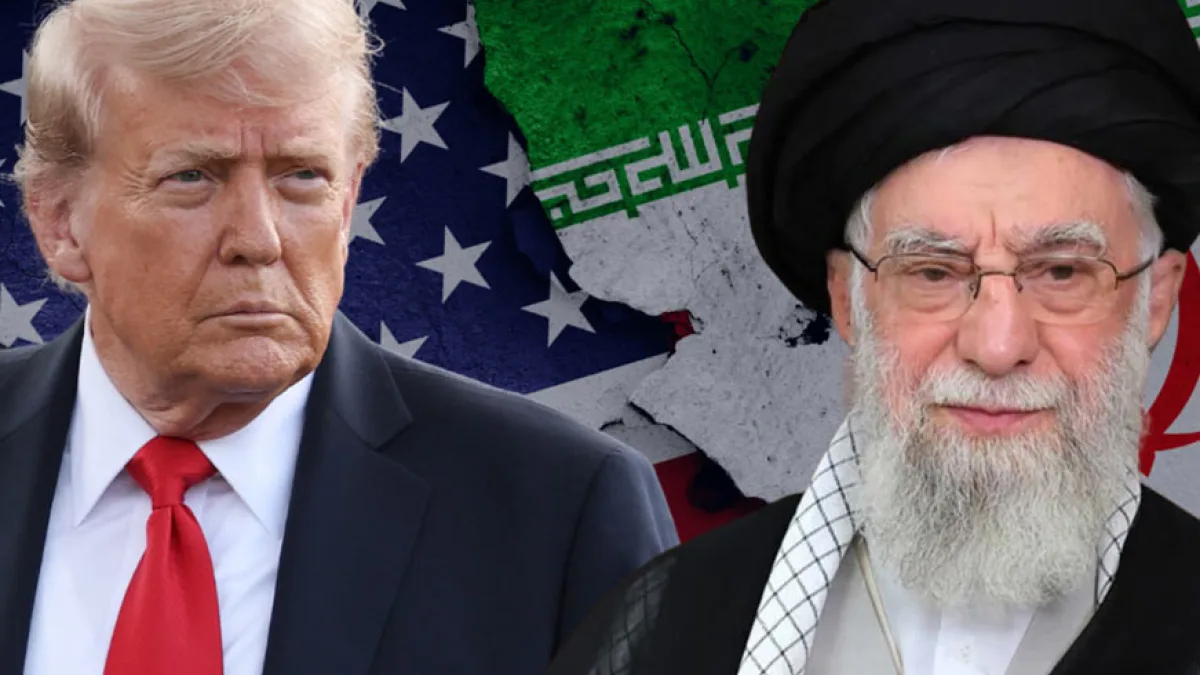
Israeli intelligence officials have handed Washington a stark new warning: Iran has developed a fresh plan to assassinate President Donald Trump. The revelation, first reported by the Wall Street Journal and quickly confirmed by multiple outlets, lands at a moment when the ceasefire between the United States and Iran is already fraying and tensions across the Middle East are climbing once again.
According to sources familiar with the matter, the warning came directly from Jerusalem to Washington within the past several days. One source said American intelligence agencies had already picked up a steady drumbeat of chatter in recent weeks about possible attempts on the president’s life, but the newest Israeli report was different. It pointed to a specific and developing plot rather than the vague hostility that has simmered out of Tehran for years.
12,200+
patriots joined
Keep reading — stay on the brief
Daily MAGA briefing in your inbox. Free, unsubscribe anytime.
The timing is impossible to ignore. Israeli officials passed along the intelligence just as mourners in Mashhad gathered for the funeral of former Supreme Leader Ali Khamenei, who was killed at the outset of the war. Crowds at the funeral chanted for the president’s death, with banners in the streets openly declaring intentions to kill him. Some posters reportedly depicted Trump, Vice President JD Vance, Defense Secretary Pete Hegseth, and Israeli Prime Minister Benjamin Netanyahu in the crosshairs of a gunsight.
Trump himself acknowledged the threat this week while speaking with reporters in Ankara, Turkey, following the NATO summit. He said he had recently learned he was near the top, if not at the top, of a target list compiled by the Iranian regime. He noted that he seemed to appear on every list circulating out of Tehran and admitted that his luck so far may not hold indefinitely.
It is worth remembering that this is not a new development in the broader sense. Iran has vowed retaliation against Trump since his first term, when he ordered the strike that killed Qassem Soleimani, the powerful commander of the Islamic Revolutionary Guard Corps’ Quds Force, back in 2020. That grievance has never faded in Tehran, and the current war, which began with U.S. and Israeli strikes in February, has only sharpened the regime’s desire for revenge.
An Israeli source told CNN that the intelligence reflects a genuine desire among hardline elements of the Iranian leadership to strike the American president, rather than a fully mapped-out operational plan ready to be executed. The new commander of the IRGC, Ahmad Vahidi, was reportedly among the officials pushing for such an operation. Vahidi has already been flagged by American officials as one of the so-called obstructionists inside the regime working to undermine ongoing negotiations.
Some American officials, while not dismissing the threat outright, have raised questions about the motives behind Israel’s decision to share the intelligence now. Two sources noted that U.S. agencies had not independently verified the specific plot before Israel’s warning arrived, and had not been tracking it themselves. That has led a number of officials to view the Israeli report, at least in part, as an attempt to influence Trump’s decision-making as he weighs whether to escalate American military action against Iran.
This skepticism should not be mistaken for dismissal of the threat itself. Rather, it reflects the complicated relationship between Washington and Jerusalem at this stage of the conflict. Netanyahu has made no secret of his deep skepticism toward Trump’s diplomatic overtures to Tehran, and the two leaders have clashed openly over Israeli military action in Lebanon, a dispute that has complicated broader ceasefire talks. The two men spoke by phone Thursday, and Netanyahu is expected to travel to Washington soon for face to face discussions.
Adding to the intrigue, Trump made a notable and unannounced switch of aircraft on his return trip from the NATO summit. Rather than boarding the newly retrofitted plane donated by Qatar, which had only recently entered service, the president instead used an older aircraft that has ferried American presidents for decades. Four U.S. officials said the swap was made in part due to security concerns tied to the escalating conflict with Iran, even though there was no specific new threat identified at that moment.
The broader picture painted by American intelligence officials is one of sustained, if diffuse, danger. Multiple Iranian actors have discussed carrying out an attack on the president, but officials assess that none has yet developed a workable plan or received the necessary approval from Iranian decision makers to move forward. That distinction matters, but it should offer little comfort. A regime desperate for retribution and destabilized by the loss of its top leadership is precisely the kind of actor capable of miscalculation.
This is far from the first time Trump has faced a genuine threat to his life. He survived an assassination attempt in 2024 when a bullet grazed his ear during a campaign rally, an event that remains seared into the memory of his supporters and stands as a grim reminder of how real these dangers are. Conservatives have long argued that the president has been a target not only of foreign adversaries but of a domestic climate that has too often normalized violent rhetoric against him.
The current state of the ceasefire only heightens the stakes. The truce that halted the initial round of fighting has come under increasing strain, with both sides trading strikes and threats in recent days. Trump declared this week that the memorandum of understanding reached with Iran was effectively over, even as diplomatic backchannels reportedly remain active. Washington and Tehran are said to still be working toward a broader nuclear agreement by mid-August, though the odds of reaching one appear to be narrowing by the day.
Multiple officials confirmed that preparations for additional American strikes were in place Thursday night but were held back in favor of continued diplomacy. That restraint reflects the administration’s stated preference for a negotiated resolution, even as it continues to respond forcefully to Iranian provocations, including a recent wave of American strikes on roughly ninety targets following Iranian attacks on commercial shipping.
The Israeli government has not been shy about voicing frustration over how the endgame with Iran is unfolding. Officials in Jerusalem have criticized the memorandum of understanding for failing to extract concrete concessions from Tehran on its nuclear program, and Israel remains formally outside the talks altogether. That has left Netanyahu leaning on intelligence sharing and personal diplomacy as his primary tools for shaping Trump’s thinking, a dynamic that likely explains at least some of the timing behind this latest warning.