Iranian state media has escalated its campaign of threats against the Trump family, airing a video segment on state television titled “Where to kill Barron Trump?” The broadcast, which aired on Iran’s state-run Channel 3 and outlets affiliated with the Islamic Revolutionary Guard Corps, purportedly tracked the movements and social connections of the president’s twenty-year-

Iranian state media has escalated its campaign of threats against the Trump family, airing a video segment on state television titled “Where to kill Barron Trump?” The broadcast, which aired on Iran’s state-run Channel 3 and outlets affiliated with the Islamic Revolutionary Guard Corps, purportedly tracked the movements and social connections of the president’s twenty-year-old son, marking one of the most direct and disturbing threats yet in a war of words that has spiraled since the outbreak of hostilities between the United States and Iran.
The footage, first reported by regional outlet Al Bawaba, depicted what the producers claimed were efforts to map Barron Trump’s social circle and identify potential vulnerabilities in the layers of Secret Service protection surrounding him. The segment reportedly included claims of a ten million dollar bounty for anyone who could reach him, though the official status of that reward could not be independently confirmed by Western outlets. Regardless of whether the bounty is genuine, the mere fact that a hostile foreign government’s state broadcaster aired such content targeting a young American citizen should alarm every parent, every patriot, and every American who values basic decency in international conduct.
12,200+
patriots joined
Keep reading — stay on the brief
Daily MAGA briefing in your inbox. Free, unsubscribe anytime.
The video reportedly concluded with a direct, menacing message aimed at the president’s son, telling him to wait for what was coming. That kind of language, broadcast on a state-controlled network with the tacit or explicit approval of the regime in Tehran, is not the sort of thing responsible governments do. It represents a level of psychological warfare aimed not at a soldier, not at a diplomat, but at a young man whose only offense is being born into a prominent political family.
This is not the first time Iranian state media has targeted the Trump family in such a personal and menacing fashion. Weeks earlier, the IRGC-affiliated Tasnim News Agency distributed a separate video titled “Where would you kill Melania?” which detailed locations frequented by the first lady in New York and discussed her shopping habits along with claimed details about her Secret Service detail. The pattern is unmistakable: Iranian propaganda outlets appear to be systematically working through members of the president’s immediate family, using dramatized graphics and claimed surveillance data to suggest that no one close to Trump is beyond their reach.
The Secret Service has confirmed it is aware of the video and said it is actively investigating the threat, as it does with all threats against individuals under its protection. Barron Trump, as the son of a sitting president, receives full-time protection, a standard and necessary provision extended to immediate family members regardless of political party. Agency officials have not detailed what specific security measures, if any, have been adjusted in response to the broadcast, citing operational security concerns, but the investigation is ongoing.
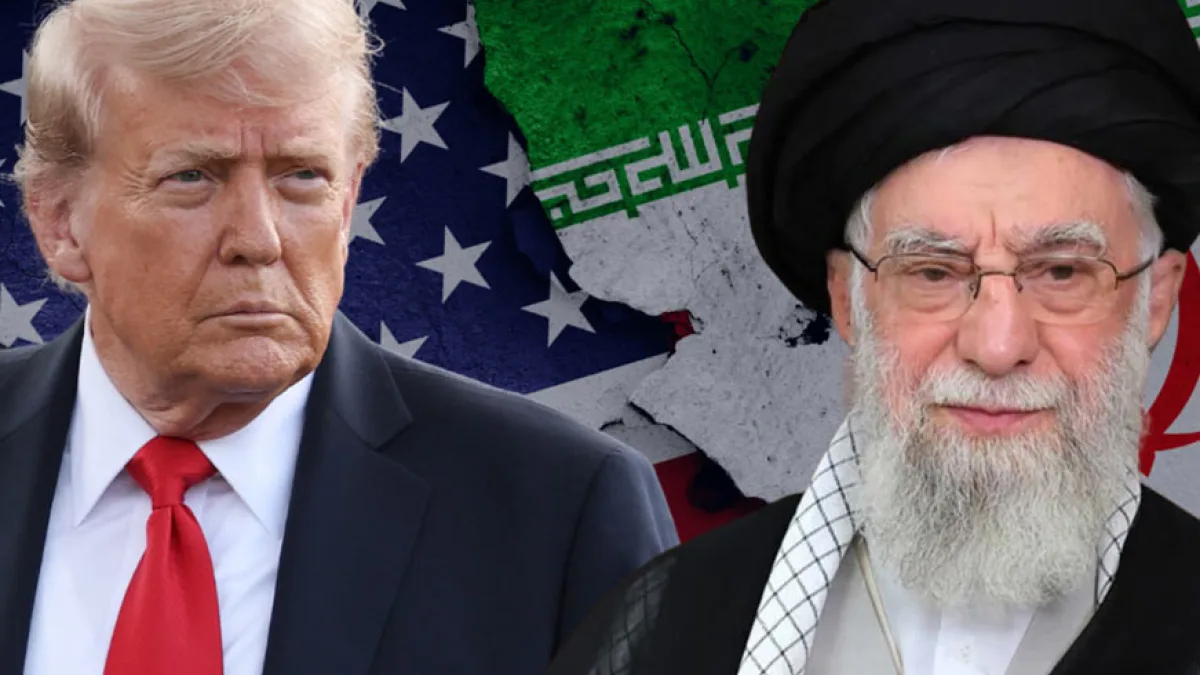
The broader context here matters enormously. Since the outbreak of the U.S.-Iran war, Tehran has repeatedly used state media as a platform for threats against senior American officials and figures connected to the Trump administration. In July, a massive billboard appeared in Tehran’s Islamic Revolution Square depicting Trump lying dead in a coffin, accompanied by language calling for retaliatory violence. Iran’s military leadership has also publicly offered bounties for American service members, with one army chief reportedly promising a reward equivalent to thirty thousand dollars, doubled if carried out by a woman, for anyone who captures or kills American military personnel described as invaders.
This escalating rhetoric traces back years, not merely months. In January 2020, following the American drone strike that killed Quds Force commander Qasem Soleimani at Baghdad International Airport, Iranian state media aired a dramatized video depicting the assassination of Trump alongside other American and allied officials inside the White House. That video, produced by the Fars News Agency, showed Iranian forces storming federal buildings while the voice of Supreme Leader Ayatollah Ali Khamenei promised severe revenge for Soleimani’s death. The regime’s appetite for this kind of theatrical, threatening content has clearly not diminished in the years since.
More recently, in January of this year, Iranian state television aired footage referencing the assassination attempt against Trump at his Butler, Pennsylvania campaign rally in July 2024, showing a sign held by demonstrators that featured the iconic photo of a bloodied Trump moments after being grazed by a bullet, captioned in Farsi with a chilling suggestion that the next attempt would not miss. The Secret Service confirmed awareness of that incident as well. The Justice Department has separately pursued charges against individuals linked to Iranian assassination plots targeting American officials, including a 2022 case involving an IRGC member accused of plotting to kill former National Security Advisor John Bolton.
What makes the Barron Trump video particularly disturbing is its focus on a private citizen who holds no official government position and has taken no public role in shaping American foreign policy toward Iran. Unlike cabinet secretaries or military commanders, Barron Trump is simply a young man, a college student trying to live something resembling a normal life under extraordinary circumstances. Targeting him is not an act of political protest or legitimate grievance against American foreign policy; it is a direct attempt at intimidation through the threat of violence against a child of a sitting president, and it deserves to be condemned in the strongest possible terms by leaders across the political spectrum.
Republican lawmakers and administration officials have reacted with predictable outrage, framing the video as further proof that the Iranian regime operates as a rogue state unbound by any normal standards of international conduct. Critics of the ongoing conflict with Iran have used the moment to argue that the war has made American civilians, including the president’s own family, less safe rather than more secure, a criticism the administration has firmly rejected, insisting that decisive American action against Iran’s nuclear and military infrastructure was necessary regardless of the regime’s retaliatory rhetoric.
It’s also worth noting the broader pattern of instability inside Iran itself during this period. Reports throughout the year have documented mass protests against the regime, brutal crackdowns by security forces, and widespread economic turmoil as the value of the Iranian rial has collapsed. Some analysts have suggested that the regime’s escalating propaganda against the Trump family may be, at least in part, an attempt to redirect domestic anger outward, toward an external enemy, rather than allow that anger to continue building against Tehran’s own leadership.
Whatever the motivation, American officials have made clear that threats against the president’s family will not go unanswered. The State Department and Treasury have both maintained an aggressive sanctions posture against IRGC-linked media outlets and individuals believed to be involved in producing and distributing propaganda that incites violence against American citizens, though the practical impact of these sanctions on already heavily sanctioned entities remains limited.
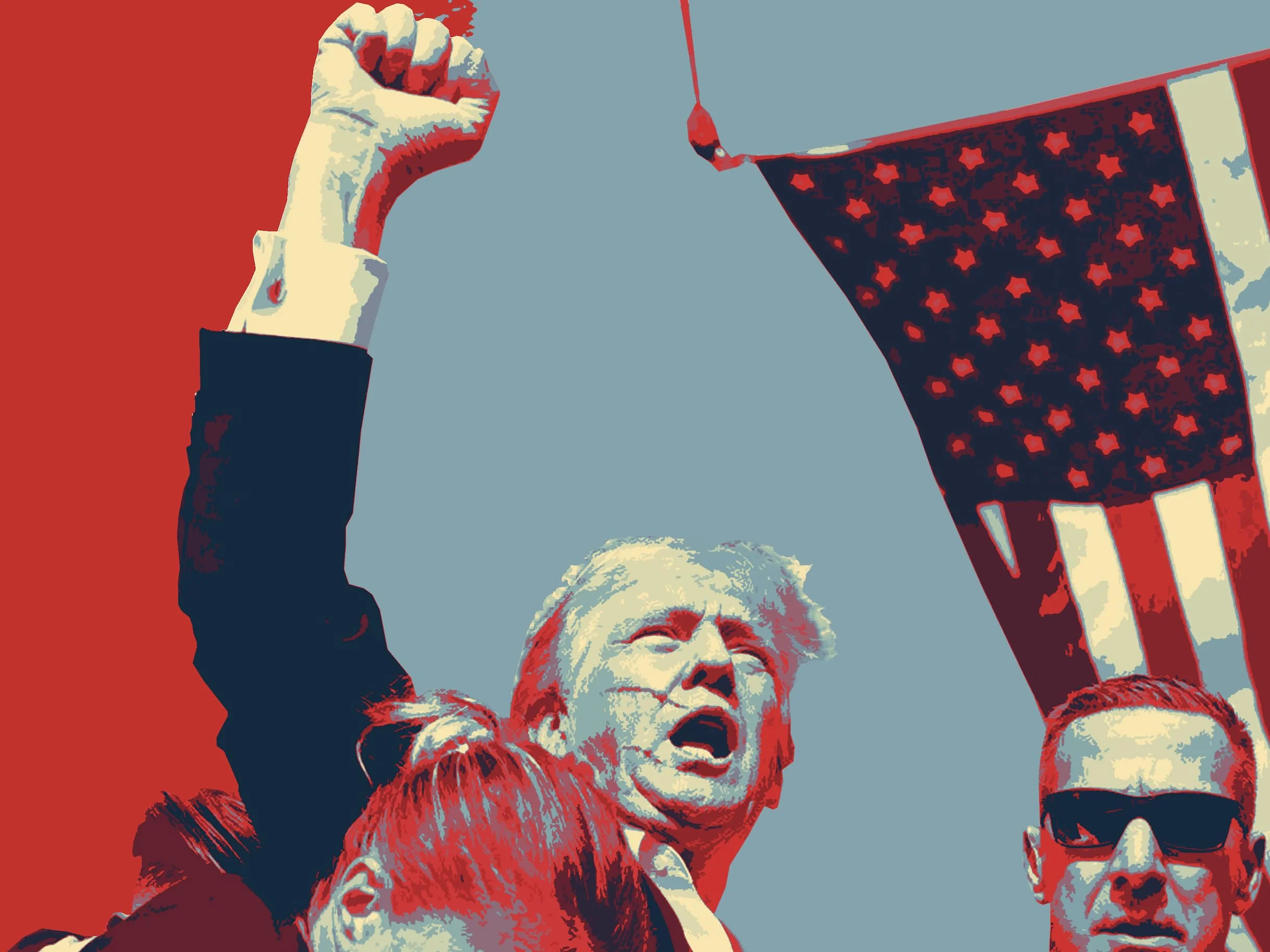
For a family that has now endured two assassination attempts against the president himself, including the harrowing moment in Butler where Trump was struck in the ear and famously raised his fist while chanting for the crowd to keep fighting, the idea that a foreign government would now train its rhetorical sights on his youngest son represents a new and deeply personal low. It is one thing to threaten a president who has voluntarily accepted the risks that come with holding the nation’s highest office. It is another thing entirely to threaten his children.
Security experts note that while much of the specific claimed intelligence in these Iranian propaganda videos is likely fabricated or exaggerated for dramatic effect, the broadcasts still serve a real and dangerous purpose. They normalize violence against American officials and their families in the eyes of Iranian viewers, and they carry the risk of inspiring a so-called lone wolf actor somewhere in the world who takes the regime’s rhetoric as a genuine call to action, regardless of whether Tehran’s own intelligence services are directly involved in any operational plot.
The Trump family has not issued an extensive public statement responding to the Barron-specific threat as of this writing, though the pattern of prior responses suggests the White House will treat the matter with the seriousness it deserves while declining to give the regime the satisfaction of a lengthy public reaction. Melania Trump, for her part, has continued her public schedule largely unchanged in the weeks since the threat against her was first reported, a posture that supporters have praised as a refusal to be cowed by foreign intimidation.