The United States military has delivered a devastating blow to Iran’s naval forces, sinking or destroying over 100 Iranian vessels in the ongoing conflict, according to recent statements from U.S. officials and President Donald Trump. This escalation under Operation Epic Fury demonstrates America’s overwhelming superiority at sea and President Trump’s commitment to neutralizing t
The United States military has delivered a devastating blow to Iran’s naval forces, sinking or destroying over 100 Iranian vessels in the ongoing conflict, according to recent statements from U.S. officials and President Donald Trump.
This escalation under Operation Epic Fury demonstrates America’s overwhelming superiority at sea and President Trump’s commitment to neutralizing threats from the rogue Iranian regime.
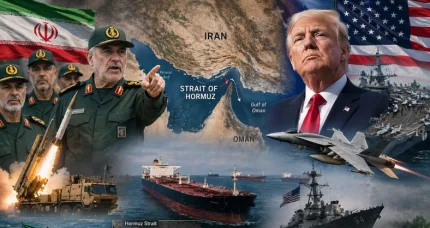
Reports from U.S. Central Command and high-level briefings confirm that American forces, through a combination of air strikes, submarine operations, and maritime capabilities, have targeted Iran’s entire naval presence. This includes warships, minelayers, drone carriers, and support vessels attempting to disrupt shipping in the Strait of Hormuz.
12,200+
patriots joined
Keep reading — stay on the brief
Daily MAGA briefing in your inbox. Free, unsubscribe anytime.
President Trump has repeatedly highlighted the success, noting in public remarks that more than 100 Iranian naval vessels have been sunk or destroyed over recent weeks. He emphasized the rapid pace of the campaign, crediting U.S. and allied Israeli efforts for crippling Tehran’s maritime power.
In one update, Trump described the operation as having “literally obliterated” Iran’s navy, with strikes continuing daily on manufacturing plants for missiles and drones. He quipped about military preferences, saying officials told him it was “more fun to sink them” rather than capture the ships, underscoring the decisive nature of the actions.
Conservatives celebrate this as a bold display of strength, contrasting sharply with the perceived weakness of prior administrations that allowed Iran to grow bolder through proxy attacks and nuclear pursuits.
U.S. Defense Secretary Pete Hegseth and admirals like Brad Cooper have provided briefings detailing the toll. Early figures started with 9 sunk vessels announced by Trump, rising to over 20, then 30, 46, and now exceeding 100 as operations expanded.
A notable milestone included a U.S. submarine torpedoing the Iranian frigate IRIS Dena in the Indian Ocean near Sri Lanka, the first such torpedo sinking of an enemy ship by an American sub since World War II. That single strike alone claimed dozens of Iranian sailors and expanded the conflict’s geographic scope.
CENTCOM statements describe efforts to “sink the Iranian Navy, the entire navy,” including hitting minelayers attempting to blockade key waterways and drone carriers comparable in size to World War II-era ships.
Satellite imagery and video footage released by U.S. forces show multiple vessels struck or sent to the ocean floor, particularly around Kharg Island and ports in the Gulf.
This naval dominance has reduced Iran’s ability to launch ballistic missiles, drones, and other attacks, with reports indicating substantial drops in such threats as the fleet is dismantled.
Critics on the left claim the actions risk broader escalation or civilian harm, but supporters point to Iran’s history of aggression, including attacks on U.S. troops, support for terrorism, and threats to close the Strait of Hormuz, which could spike global oil prices.
Trump’s strategy builds on his first-term pressure campaigns, like maximum sanctions and the Abraham Accords, which isolated Iran further. Now, with decisive military force, the U.S. is ensuring Tehran can no longer project power at sea.
The campaign also targets related assets, such as mine storage, missile bunkers, and production facilities, while sparing critical oil infrastructure to minimize global economic fallout.
Public sentiment among patriots remains strong, viewing these victories as necessary to protect American interests, allies like Israel, and free navigation in international waters.
As strikes continue, the tally of destroyed vessels climbs, with no signs of Iran mounting an effective naval response. This one-sided dominance highlights the gap between U.S. military technology and Iran’s outdated fleet.