Breaking Tucker Carlson has delivered one of the most dramatic public reversals of his career, saying he regrets helping get President Donald Trump elected and that the role he played in persuading voters will continue to haunt him. The comments came during an episode of The Tucker Carlson Show featuring his brother, Buckley Carlson, who
Breaking
Tucker Carlson has delivered one of the most dramatic public reversals of his career, saying he regrets helping get President Donald Trump elected and that the role he played in persuading voters will continue to haunt him. The comments came during an episode of The Tucker Carlson Show featuring his brother, Buckley Carlson, who was described on Tucker Carlson’s own platform as someone who wrote speeches for Trump, voted for him repeatedly, and personally experienced the fallout of defending him.
According to multiple reports on the episode, Carlson said he felt “tormented” by his part in what he described as misleading the public. That wording matters because it moves beyond ordinary political disagreement and into personal regret. Carlson was not talking like a rival commentator taking shots from a distance. He was speaking as someone admitting he helped build a message, helped amplify a candidate, and now believes the result has come at a serious cost.
12,200+
patriots joined
Keep reading — stay on the brief
Daily MAGA briefing in your inbox. Free, unsubscribe anytime.
Details & Background
For years, Tucker Carlson stood near the center of the populist right’s media ecosystem. Reports on his recent remarks note that he had been a major public ally of Trump’s political rise, especially during the last election cycle, when he again became a prominent voice defending Trump and rallying supporters around him. That history is what makes the reversal so significant. This was not a casual supporter walking away. It was one of the movement’s most recognizable broadcasters signaling that he now sees his own advocacy differently.
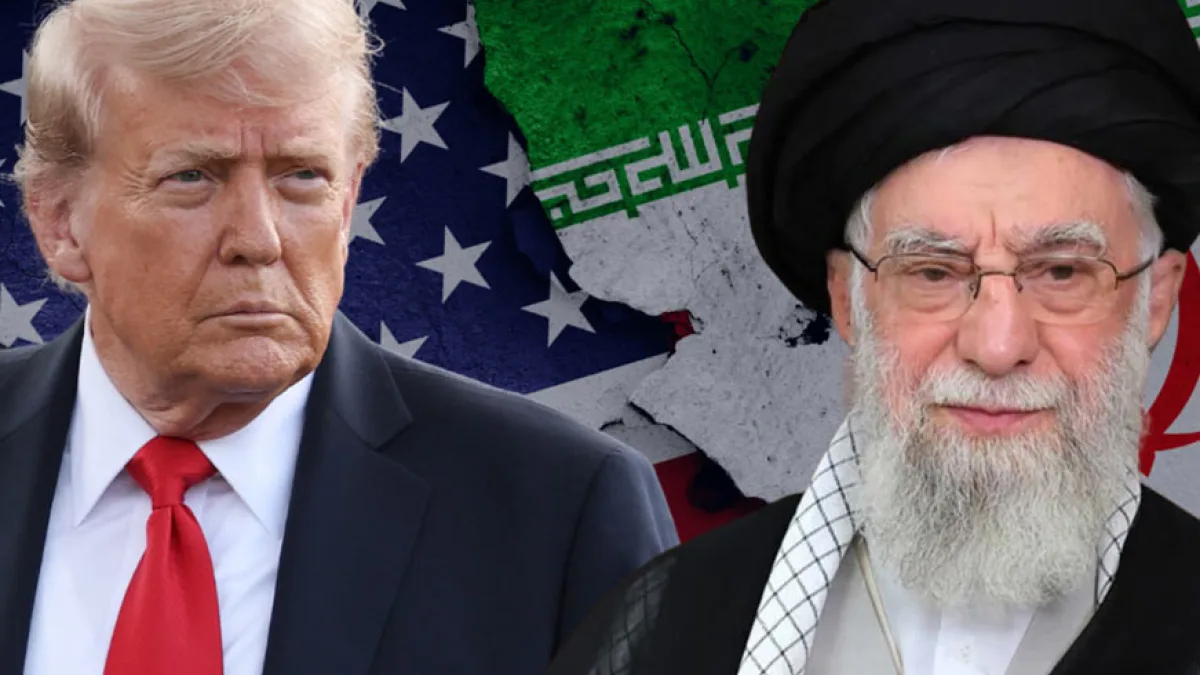
The split appears tied to a broader and increasingly public rift over foreign policy and the direction of Trump’s presidency. Recent coverage has described an escalating feud between Carlson and Trump, particularly around tensions involving Iran and Carlson’s criticism of the administration’s posture. Other outlets have reported that Trump responded publicly by mocking Carlson, underscoring that this is no quiet behind-the-scenes disagreement. It is now a visible fracture inside the broader conservative coalition, with Carlson presenting his regret as both political and moral.
Reactions
The reaction was immediate because Carlson’s comments struck at the heart of his own public legacy. Reports on the episode said his brother, Buckley Carlson, framed the current moment as a painful betrayal after years of loyalty, and other coverage described the conversation as a raw acknowledgment that people close to Trump had seen warning signs and ignored them. That framing turned the exchange into more than a media controversy. It became a confessional about influence, loyalty, and responsibility.
Outside the Carlson circle, the remarks drew a sharp response from critics, with television commentators and political observers openly questioning whether the apology was sincere. Coverage of the fallout shows detractors arguing that Carlson is only now admitting what he privately knew long ago, while supporters of Trump have treated the comments as another act of disloyalty from a former ally. Either way, the response confirms that Carlson’s words landed hard because they came from someone who once had real power to shape conservative opinion.
Why This Matters to You
This matters because the conservative movement is not only fighting the left. It is also deciding who can be trusted to tell the truth when the stakes are highest. Carlson’s admission that he regrets helping elect Trump raises a deeper question for millions of voters: how much influence did media figures have in steering the country, and how should that influence be judged when they later say they got it wrong? When one of the loudest voices in the movement says he helped mislead people, that carries consequences far beyond one podcast episode.
It also matters because government decisions do not happen in a vacuum. They are shaped by narratives, allies, pressure campaigns, and public trust. If the people who helped sell a presidency are now saying they regret it, Americans are left sorting through what was conviction, what was strategy, and what was simply power protecting itself. That is why this moment feels bigger than Tucker Carlson alone. It is about credibility, accountability, and whether the country is being led by clarity or by competing factions trying to rewrite their role after the fact.