Breaking War Secretary Pete Hegseth confirmed Friday that Iran’s newly installed supreme leader, Mojtaba Khamenei, was seriously wounded during ongoing U.S. and Israeli military operations and may now be permanently disfigured. Speaking during a live Pentagon briefing alongside Chairman of the Joint Chiefs of Staff Gen. Dan “Razin” Caine, Hegseth said the Iranian regime is
Breaking
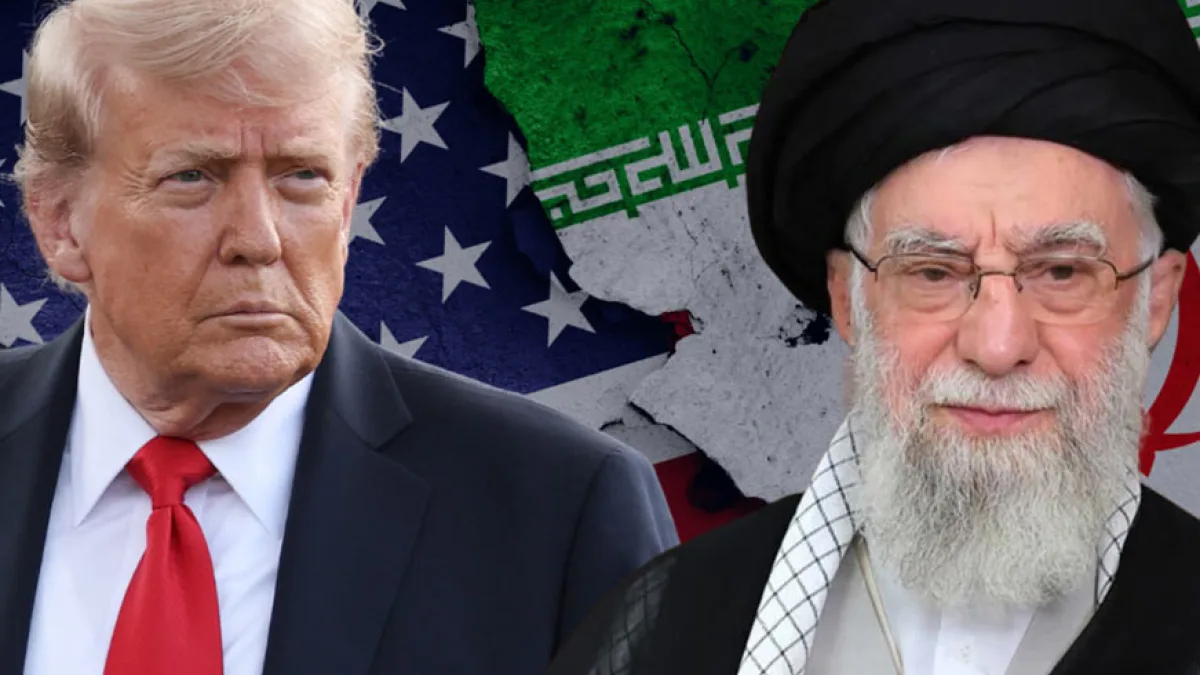
War Secretary Pete Hegseth confirmed Friday that Iran’s newly installed supreme leader, Mojtaba Khamenei, was seriously wounded during ongoing U.S. and Israeli military operations and may now be permanently disfigured.
Speaking during a live Pentagon briefing alongside Chairman of the Joint Chiefs of Staff Gen. Dan “Razin” Caine, Hegseth said the Iranian regime is struggling to maintain control as the joint military campaign continues to dismantle its leadership and combat capabilities. “We know the new so-called not so supreme leader is wounded and likely disfigured,” Hegseth told reporters, pointing to the regime’s unusual silence as evidence of the damage.
12,200+
patriots joined
Keep reading — stay on the brief
Daily MAGA briefing in your inbox. Free, unsubscribe anytime.
The absence of any video appearance or voice recording from Khamenei — typically released quickly by Iranian leadership during crises — has fueled speculation about the severity of his injuries. Hegseth argued the silence reflects a regime now operating from hiding as U.S. and Israeli forces maintain relentless pressure.
The Pentagon briefing also confirmed that Operation Epic Fury has now entered its thirteenth day, with American and allied forces continuing precision strikes across Iranian territory aimed at destroying missile infrastructure, military factories, and naval assets.
Details & Background
According to Pentagon officials, the military campaign is achieving exactly the objectives President Donald Trump laid out when authorizing the operation. Those goals include eliminating Iran’s missile threat, crippling its defense industrial base, dismantling naval capabilities, and preventing the regime from obtaining nuclear weapons.
Gen. Dan Caine told reporters that Iranian air defenses have largely been neutralized, allowing allied aircraft to operate with far greater freedom over the region. The Iranian air force has also been severely degraded, while its naval forces have suffered heavy losses following multiple strikes and vessel sinkings in the Persian Gulf.
Caine said U.S. artillery units have also been deployed in support roles, launching advanced missile systems capable of striking targets deep inside Iranian territory. These systems have been used to destroy launch platforms, drone factories, and weapons depots believed to be tied to the regime’s regional terror network.
Hegseth emphasized that the mission remains tightly focused on these clearly defined military objectives rather than expanding into a prolonged Middle East occupation. “We’ve defined these objectives. We’re pursuing those objectives,” Hegseth said, pushing back on media narratives suggesting the conflict could spiral into a larger war.
The briefing also addressed the crash of a U.S. KC-135 refueling aircraft in western Iraq during a combat mission. Military officials confirmed the incident was not caused by hostile fire, while recovery teams continue operations following reports that several crew members were killed.
Reactions
The Pentagon’s assessment that Iran’s leadership is now in hiding has drawn significant attention among military analysts and lawmakers watching the rapidly evolving conflict.
Hegseth described the regime as increasingly isolated and struggling to maintain command over its remaining forces. “They’re desperate and hiding,” he said, suggesting that Iran’s ability to coordinate attacks has sharply deteriorated as command networks and communications infrastructure are destroyed.
Gen. Caine praised American troops involved in the campaign, noting that U.S. forces from every branch of the military have contributed to the ongoing operation. “Our joint force continues to deliver precision strikes from land, sea, and air,” he said during the briefing.
Military analysts say the dramatic drop in Iranian missile and drone attacks suggests the strikes have significantly disrupted the regime’s ability to launch retaliatory operations. U.S. and Israeli intelligence reportedly continue tracking remaining launch sites, weapons factories, and command centers.
Officials have also stressed that the operation was designed to weaken Iran’s military power without pulling the United States into a broader regional conflict or long-term occupation.
Why This Matters to You
For decades, Iran has been one of the most aggressive state sponsors of terrorism in the world, funding militant groups, threatening American allies, and pursuing nuclear weapons capabilities.
The Trump administration’s current military campaign is aimed at permanently dismantling the infrastructure that allows the regime to project that power beyond its borders. By targeting missile systems, drone factories, naval assets, and defense industries, U.S. leaders believe they can prevent Iran from threatening the United States and its allies for years to come.
If the Pentagon’s assessment proves accurate, the reported injury to Iran’s supreme leader could also create internal instability within the regime itself. Leadership crises often trigger power struggles among competing factions, further weakening a government already under military pressure.
The administration maintains that the mission remains narrowly focused and tied directly to American national security interests. Under President Trump’s peace-through-strength doctrine, officials say the objective is clear: eliminate the threats posed by the Iranian regime while avoiding the prolonged nation-building missions that defined earlier wars.
For Americans watching events unfold, the outcome of Operation Epic Fury could determine whether one of the world’s most dangerous regimes continues to threaten global stability — or whether its power is finally being broken.