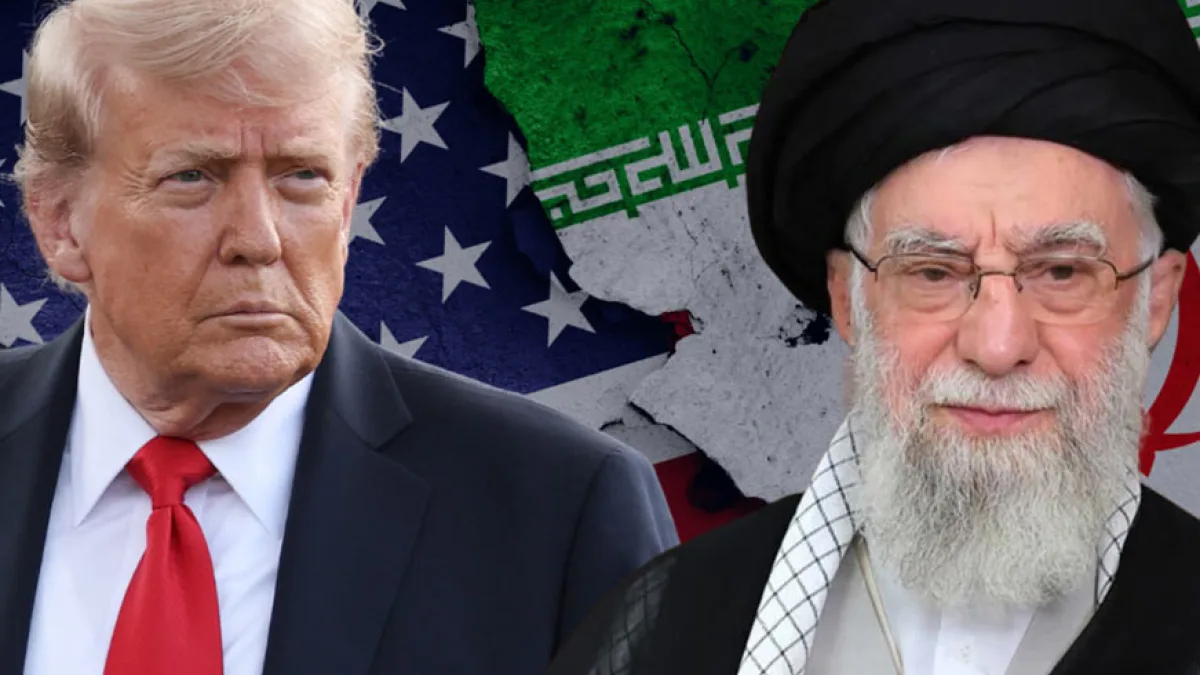
Breaking President Donald Trump’s Iran strategy has reached one of its most consequential tests as the 60-day negotiating period contained in the U.S.-Iran Memorandum of Understanding reaches its endpoint without a final agreement. The framework established a temporary path toward a broader settlement involving Iran’s nuclear activities, sanctions relief, shipping through the Strait of Hormuz
Breaking
President Donald Trump’s Iran strategy has reached one of its most consequential tests as the 60-day negotiating period contained in the U.S.-Iran Memorandum of Understanding reaches its endpoint without a final agreement. The framework established a temporary path toward a broader settlement involving Iran’s nuclear activities, sanctions relief, shipping through the Strait of Hormuz and the future security relationship between Washington and Tehran. The agreement expressly allowed the 60-day negotiating period to be extended with the consent of both sides.
Despite the passing of the original negotiating window, Trump has indicated he is not setting another immediate timetable. Speaking as the deadline approached, the president said, “I have no time schedule. I’m not in a hurry,” while continuing to insist that Iran cannot be permitted to obtain a nuclear weapon. Associated Press reporting indicates that Washington and Tehran remain deeply divided, particularly over control and navigation of the Strait of Hormuz, the presence of U.S. forces, sanctions and unresolved nuclear questions.
12,200+
patriots joined
Keep reading — stay on the brief
Daily MAGA briefing in your inbox. Free, unsubscribe anytime.
Details & Background
The memorandum was intended to turn a pause in fighting into a more comprehensive settlement. Under its terms, Iran reaffirmed that it would not develop or procure nuclear weapons, while both sides agreed to negotiate the disposition of Iran’s enriched nuclear material and discuss the future of enrichment. The framework also envisioned phased sanctions relief and a regional reconstruction and economic-development plan for Iran worth at least $300 billion, provided that a final agreement could be reached and the required conditions satisfied.
The Strait of Hormuz quickly emerged as one of the most difficult obstacles. The narrow waterway is one of the world’s most important energy corridors, and restrictions there can affect oil supplies and prices far beyond the region. The interim arrangement envisioned restored commercial shipping, but the United States and Iran have remained divided over how the strait should operate and under whose authority. Independent reporting indicates that the negotiating process has produced little visible progress on the most difficult nuclear and maritime questions, even as mediators continue trying to keep diplomatic channels alive.
Reactions
Trump has continued to frame the central American objective in uncompromising terms: Iran must not acquire a nuclear weapon. When the memorandum was signed, the White House presented the agreement as evidence that military and economic pressure had produced diplomatic leverage. Administration allies argued that Tehran had been forced into negotiations from a weakened position and emphasized that U.S. concessions were supposed to depend on Iranian compliance rather than being delivered in advance.
The expiration of the negotiating window has nevertheless raised questions about whether that leverage can produce a lasting agreement. Iranian officials and American officials have blamed one another for violations and stalled diplomacy, while Pakistan and other regional actors have continued attempting to mediate. Reports about a possible extension have also conflicted: some regional outlets reported movement toward prolonging the arrangement, while an Iranian official said no extension talks were underway. That uncertainty underscores how fluid the situation remains and why the expiration of the original 60-day period should not be confused with a completed peace agreement.
Why This Matters to You
For American families, the Iran negotiations are tied directly to questions of war, energy prices and national security. A durable agreement that prevents Iran from obtaining nuclear weapons while reducing military confrontation could lower the danger facing U.S. service members and American allies. Failure could produce the opposite: renewed attacks, additional military deployments and greater disruption around the Strait of Hormuz. Because a significant share of globally traded oil and gas historically passes through that corridor, prolonged instability can also reverberate through energy markets and transportation costs.
The Trump administration now faces the challenge of preserving pressure on Tehran without surrendering its central nuclear objectives or allowing an open-ended diplomatic process to become a substitute for measurable compliance. The federal government must also protect American forces, maintain freedom of navigation, coordinate with regional partners and verify any nuclear commitments rather than relying on assurances alone. The original clock may have reached zero, but the underlying stakes have not disappeared. Whether the next phase produces a tougher agreement, an extended negotiation or another escalation will determine whether this diplomatic gamble becomes a durable settlement or another temporary pause in a conflict with consequences reaching well beyond Iran.