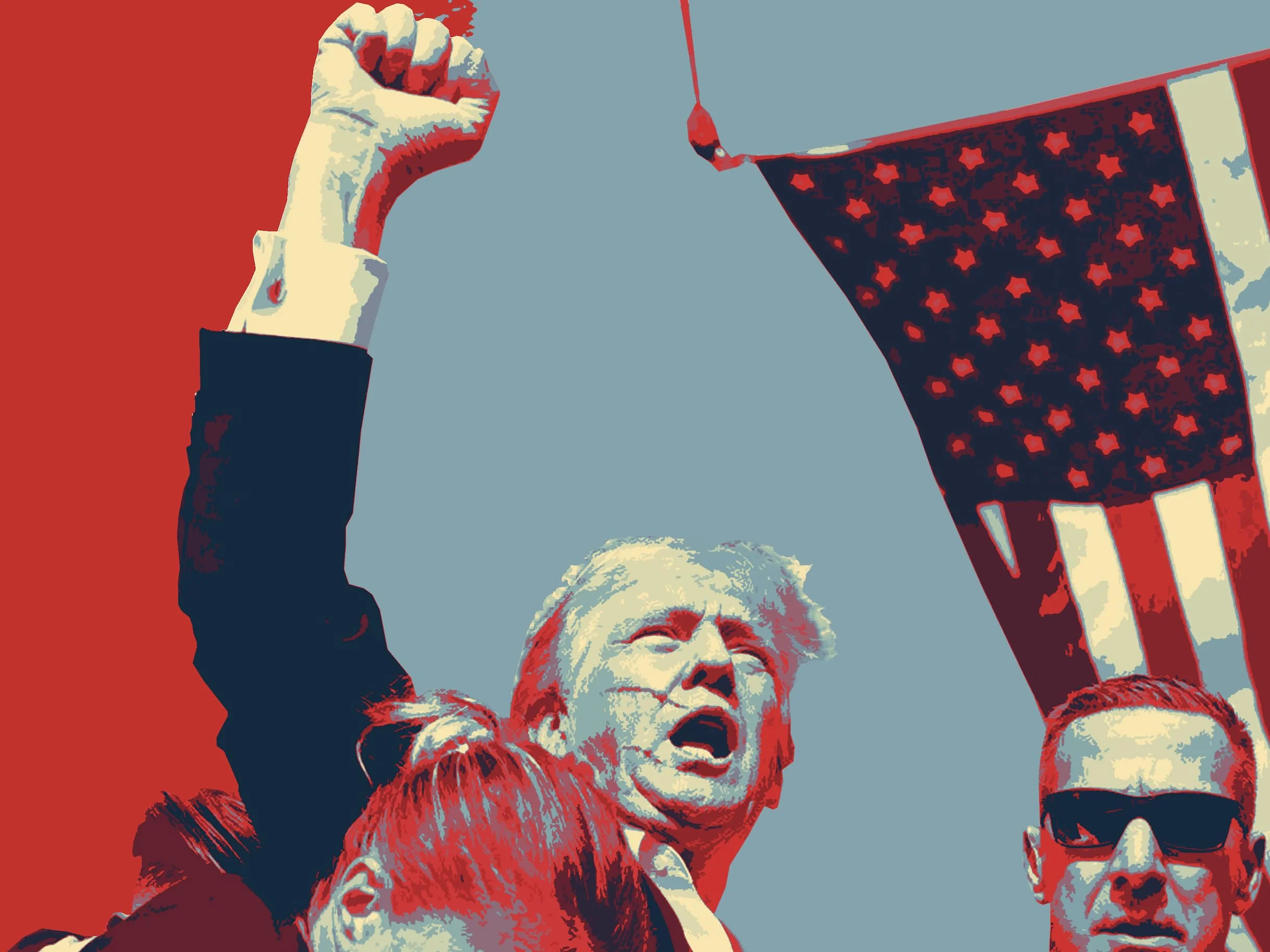
Breaking President Trump closed out the first night of the RNC Midterm Convention in Dallas with a striking new promise: a $5,000 “Trump Dividend” for every American adult, but only if Republicans hold the House and Senate in November. “If the Republicans win, you win with us and you get $5,000,” Trump told the crowd,
Breaking
President Trump closed out the first night of the RNC Midterm Convention in Dallas with a striking new promise: a $5,000 “Trump Dividend” for every American adult, but only if Republicans hold the House and Senate in November. “If the Republicans win, you win with us and you get $5,000,” Trump told the crowd, offering no immediate details on implementation or congressional authorization.
The pledge, covering an estimated 245 million eligible adults, quickly became one of the most talked-about moments of the convention and has since drawn Commerce Secretary Howard Lutnick into the spotlight to defend it. “It’s not tax money,” Lutnick said in a subsequent interview, insisting the payments would not come from the deficit or from ordinary taxpayers.
12,200+
patriots joined
Keep reading — stay on the brief
Daily MAGA briefing in your inbox. Free, unsubscribe anytime.
Details and Background
Vice President JD Vance has framed the pledge as “a dividend for American workers,” and Trump has suggested it builds on his administration’s tariff policy, previously floating a smaller $2,000 tariff-funded dividend that has not yet materialized nearly a year after it was first proposed. Lutnick has pointed to two funding mechanisms beyond tariffs: gains on the federal government’s stake in Intel, which he said involves roughly 500 million shares purchased at $20 apiece now trading near $100, and a future budget reconciliation bill that White House economic officials have floated as a legislative vehicle for the payments.
The math remains a significant gap. Tariff and excise tax revenue collected between October 2025 and July 2026 totaled roughly $154.4 billion, while the total cost of the dividend, if paid to all eligible adults, could exceed $1.2 trillion, meaning currently identified tariff revenue would cover only a fraction of the total price tag. The payments would not go out until after the midterms, and only if Republicans keep unified control of Congress, a condition that effectively ties the payout to turnout in an election still nearly two months away.
Reactions
The proposal has split Republicans rather than uniting them. Former Rep. Bob Good, R-Va., called it a “socialist vote-buying scheme,” while conservative commentator Matt Walsh labeled it “flagrant bribery,” arguing Republicans should instead let Americans “keep more through tax cuts” rather than “holding it as a carrot on the stick for after the election.” Rep. Chip Roy, R-Texas, suggested the same money could instead eliminate taxes for married parents with dependents earning up to $200,000, adding pointedly that “some of us think dependency is evil and soul-sucking in all its forms.” Investor Joe Lonsdale dismissed the plan as “bread and circus bribes,” and former Arkansas Gov. Asa Hutchinson urged party leaders to reject it outright and focus on reducing the federal debt instead.
Other Republicans have embraced the idea. Sen. Bernie Moreno, R-Ohio, said he is already preparing legislation to pass the dividend once the election is decided, and Sen. Roger Marshall, R-Kan., has been asking voters directly how they would spend their $5,000. Trump, for his part, has defended the plan by contrasting it with Democrats: “The reason the Democrats can’t do that is because they don’t do tariffs, they don’t take in money, all they know is poverty.”
Why This Matters to You
The dividend fight has exposed a real divide inside the Republican Party between populists who see direct cash payments as a winning midterm message and fiscal conservatives who see a $1.2 trillion promise with funding that doesn’t yet add up. That tension is likely to keep playing out publicly for weeks, since the plan’s own terms make it impossible to resolve before voters go to the polls.
Because the payout is explicitly contingent on the midterm outcome, the proposal functions as much as a turnout incentive as a concrete policy, and its ultimate fate, whether it becomes real legislation, gets scaled back, or quietly fades the way the earlier $2,000 tariff dividend did, will depend entirely on results Republicans do not yet have. Voters weighing the promise will have to decide how much confidence to place in a payment that even the administration’s own Commerce Secretary is still explaining two months before it could ever be authorized.