
Breaking
Vice President JD Vance is entering the earliest phase of the 2028 conversation with a dominant lead among Republican voters, according to a new Emerson College Polling survey highlighted by Newsmax. While Democrats show a crowded, unsettled primary field led narrowly by California Gov. Gavin Newsom, Republicans appear far more consolidated—an early contrast that political strategists watch closely as parties test messages, coalitions, and prospective matchups.
In the Republican primary measure, Emerson’s survey put Vance at 52%, more than double his nearest competitor. Secretary of State Marco Rubio trailed at 20%, Florida Gov. Ron DeSantis registered 6%, and 11% of GOP voters were undecided. The poll’s toplines paint a simple picture: whatever the broader electorate ultimately does, Republican voters are currently lining up behind Vance in a way Democrats have not done behind a single contender.
Details & Background
On the Democratic side, Newsmax reported that Newsom led the primary field with 20%, followed by former Transportation Secretary Pete Buttigieg at 16% and Vice President Kamala Harris at 13%. Rep. Alexandria Ocasio-Cortez drew 9%, Pennsylvania Gov. Josh Shapiro received 7%, Kentucky Gov. Andy Beshear stood at 5%, and a striking 24% of Democratic voters said they were undecided.
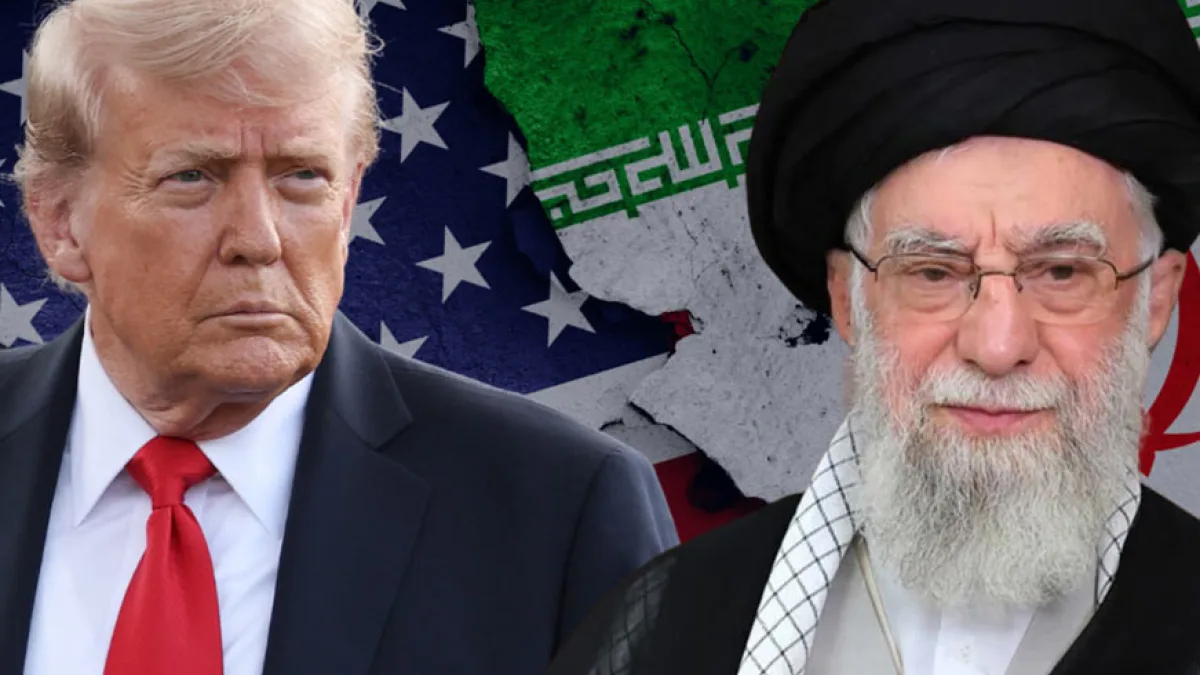
Iran says it will declare an exclusion zone in the Strait of Hormuz and punish ships that pass through. Another empty threat — they cannot enforce it. Is Iran all talk on the Strait of Hormuz?
Keep reading — stay on the brief
Daily MAGA briefing in your inbox. Free, unsubscribe anytime.
Emerson College Polling executive director Spencer Kimball described the early shaping of camps inside both parties, saying, “Candidates are starting to carve out their 2028 bases.” The demographic splits in the Democratic field suggest the outlines of those bases: Newsom performed best among voters over 50, Buttigieg led among women and postgraduates, and Harris dominated among Black voters. On the Republican side, Kimball noted Vance’s support looked even more consolidated among self-identified Republicans, with 59% backing Vance compared to 19% for Rubio.
Reactions
The topline Republican result—Vance well ahead of the field—immediately fuels two competing interpretations that will shape political coverage going forward. Supporters will argue it reflects unity and confidence, especially at a time when voters want a steady hand and a clear agenda. Skeptics will argue it is simply the advantage of incumbency and national visibility this far out, when many voters are not tuned in and alternatives have not fully emerged.
Meanwhile, the same poll contains a warning light for both parties about what will likely drive voter behavior: economic pressure. Newsmax reported that voters ranked cost of living as the top issue in Emerson’s “importance” ratings, with healthcare costs and inflation also near the top. Immigration-related issues remained potent for Republicans—border security and deportation policy rated especially high among GOP voters—while Democrats rated border security far lower. In other words, the next cycle is already shaping up around the same kitchen-table squeeze Americans feel every week, plus an ongoing divide over immigration enforcement.
Why This Matters to You
Polls this early are not predictions, but they are signals—especially about party cohesion. A fractured field can mean a longer, messier nomination fight, higher spending, and sharper internal divisions that are hard to repair. A consolidated field can mean faster message discipline, cleaner fundraising lanes, and earlier focus on the issues voters care about most. In this snapshot, Republicans look more unified behind Vance than Democrats do behind any single figure.
It also matters because the issue rankings in the survey track closely with what families experience in real life. If cost of living is the dominant concern, leaders will be judged on whether prices stabilize, wages keep up, and everyday expenses become manageable again. If border security and deportation policy remain top-tier priorities for Republicans, the federal government will face sustained pressure to show measurable enforcement—clear operational control, clear consequences, and clear results. Whether voters reward one party or punish the other will depend less on political slogans and more on whether the country feels safer, more affordable, and more governed by rules that apply to everyone.