President Donald Trump slammed allies, including the United Kingdom, for refusing to join the decisive U.S.-Israeli campaign that decapitated Iran’s terrorist leadership and crippled its nuclear ambitions, telling them to stop expecting America to police the world and secure their own energy supplies through the Strait of Hormuz. “All of those countries that can’t get
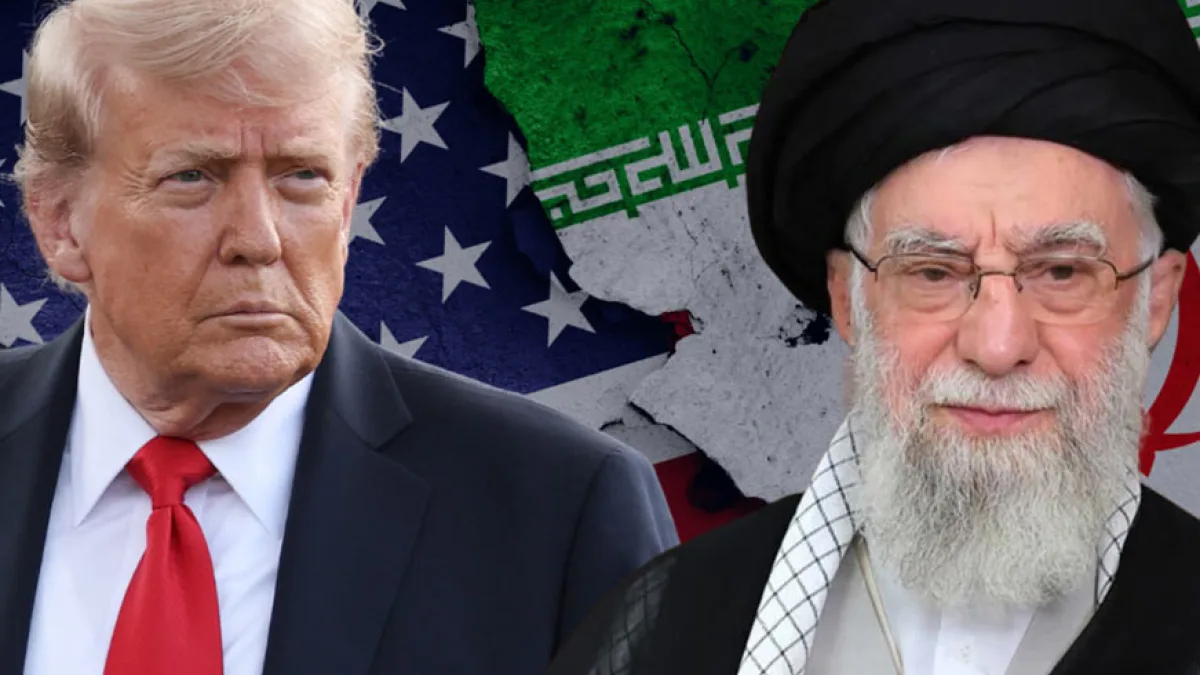
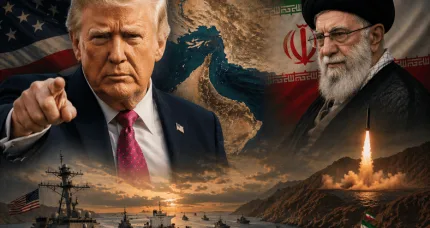
President Donald Trump slammed allies, including the United Kingdom, for refusing to join the decisive U.S.-Israeli campaign that decapitated Iran’s terrorist leadership and crippled its nuclear ambitions, telling them to stop expecting America to police the world and secure their own energy supplies through the Strait of Hormuz.
“All of those countries that can’t get jet fuel because of the Strait of Hormuz, like the United Kingdom, which refused to get involved in the decapitation of Iran, I have a suggestion for you: Number 1, buy from the U.S., we have plenty, and Number 2, build up some delayed courage, go to the Strait, and just TAKE IT,” Trump wrote.
He continued: “You’ll have to start learning how to fight for yourself, the U.S.A. won’t be there to help you anymore, just like you weren’t there for us. Iran has been, essentially, decimated. The hard part is done. Go get your own oil!”
12,200+
patriots joined
Keep reading — stay on the brief
Daily MAGA briefing in your inbox. Free, unsubscribe anytime.
The no-nonsense rebuke highlights growing conservative frustration with so-called allies who sat on the sidelines while American and Israeli forces did the heavy lifting to neutralize the world’s leading state sponsor of terrorism, only to now complain about disrupted oil flows they refused to help protect.
This comes as the 2026 Iran war enters its fifth week, with Trump signaling Tuesday that major U.S. military operations could conclude in just two to three weeks after achieving core objectives: eliminating Supreme Leader Ali Khamenei, destroying key nuclear and missile infrastructure, and significantly degrading the regime’s capacity to threaten the civilized world.
Unlike previous weak administrations that appeased the mullahs with pallets of cash and flawed nuclear deals, Trump’s leadership delivered real results through strength, following massive Iranian protests where the regime slaughtered thousands of its own people demanding freedom.
The viral confrontation earlier this week — where a brave Iranian woman who survived regime imprisonment tore into a smug white liberal defending the theocracy at a “No Kings” anti-war rally — continues to resonate, exposing the hypocrisy of leftists at home who echo the same regime propaganda now being rejected by actual victims and reflected in allies’ reluctance to confront evil.
Trump’s message is pure America First realism: The United States spent decades as the global policeman, subsidizing European and other allies’ security while they underfunded their militaries and avoided tough fights. No more.
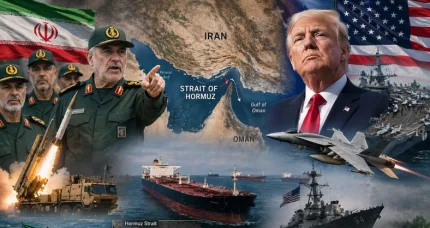
Iran has attempted to disrupt global energy markets by targeting the Strait of Hormuz—through which roughly one-fifth of the world’s oil passes—in retaliation for the successful strikes that weakened its military capabilities. Yet nations like the UK, under Prime Minister Keir Starmer, offered little to no meaningful support during the critical “decapitation” phase.
Conservatives praise Trump for refusing to let American troops and taxpayers indefinitely secure shipping lanes that primarily benefit foreign economies while those same nations lecture the U.S. on “multilateralism” only when it suits them.
Trump has made clear the U.S. has no intention of endlessly patrolling the strait post-mission, urging dependent countries to muster the courage to protect their own interests or simply purchase abundant American energy supplies.
This stance aligns with the president’s long-standing critique of burden-sharing in alliances like NATO, where the U.S. has shouldered disproportionate costs for years.
Meanwhile, fresh U.S. and Israeli actions continue targeting remaining Iranian military assets, with reports of strikes near Isfahan further weakening the regime’s ability to project power. Iranian retaliation, including attacks on shipping and attempts at cyberattacks, has been met with continued response.
Oil prices showed some stabilization Tuesday amid expectations that the core military phase may be winding down, though disruptions persist due to Iran’s actions. Domestic U.S. gas prices have risen but remain relatively stable.
The Iranian exile community and conservative voices have amplified Trump’s comments, noting that many Iranians support increased pressure on the regime.
Leftist “No Kings” protesters and regime apologists continue their domestic rallies, while debate intensifies over U.S. foreign policy and intervention.
Trump is scheduled to address the nation Wednesday evening on the war’s progress, expected to outline mission developments and next steps.
UK officials, including Starmer, have announced plans for a summit on the strait but have so far avoided direct confrontation with Trump’s remarks, reflecting tensions between allies.
For supporters, this moment reinforces the argument that strong military action can achieve strategic goals without long-term occupation, while also prompting allies to take on greater responsibility.
The hard part — confronting and dismantling the regime’s most dangerous capabilities — is described as largely complete. Now, attention shifts to what comes next and how responsibilities will be shared moving forward.