BreakingMissiles struck multiple locations inside Iran as the United States and Israel launched a joint campaign that officials said was designed to cripple the regime’s ability to function and defend itself. According to officials cited by Axios, the initial wave focused on top-level leadership targets and core military capabilities, including sites connected to Supreme Leader
Breaking
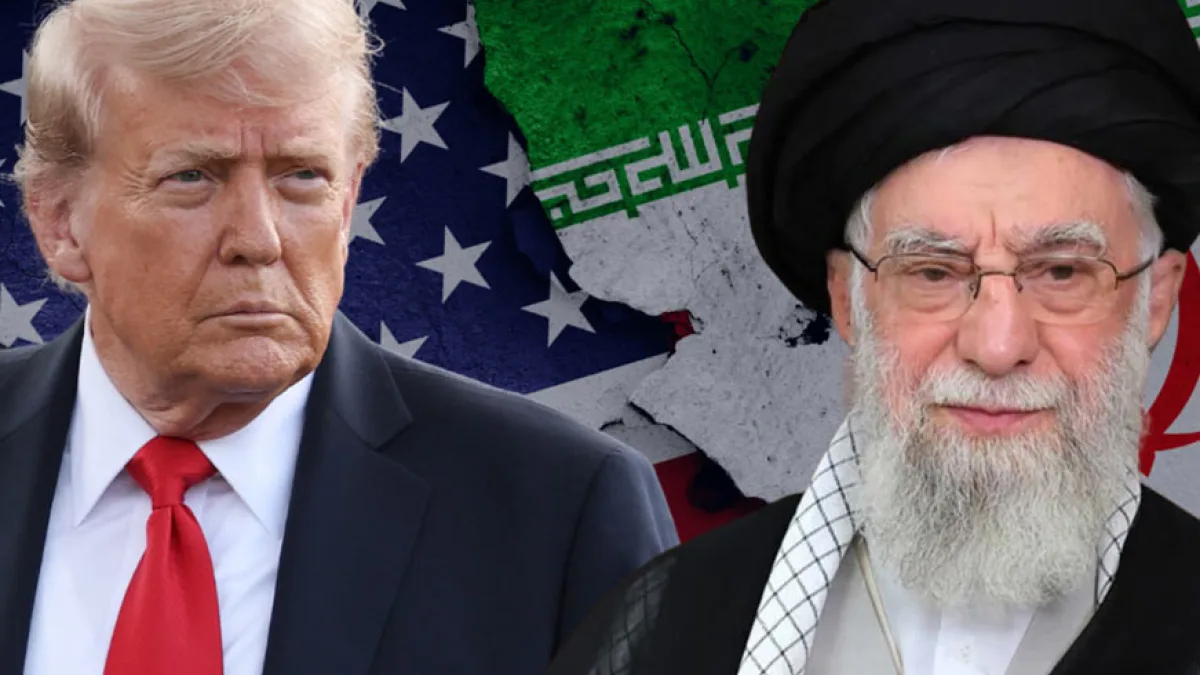
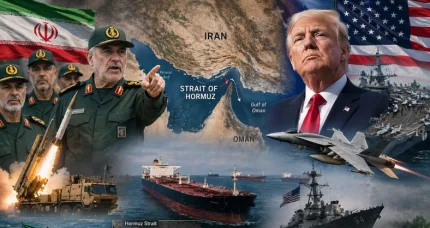
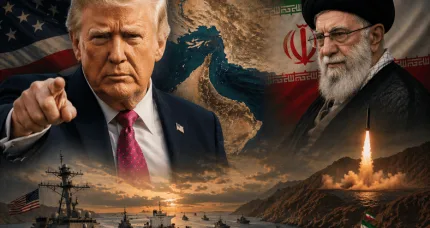
Missiles struck multiple locations inside Iran as the United States and Israel launched a joint campaign that officials said was designed to cripple the regime’s ability to function and defend itself. According to officials cited by Axios, the initial wave focused on top-level leadership targets and core military capabilities, including sites connected to Supreme Leader Ayatollah Ali Khamenei and other senior figures.
The scope of the operation signaled more than a limited warning shot. President Donald Trump publicly framed the strikes as part of a broader effort to neutralize Iran’s threat and urged civilians to stay indoors during the bombardment, while Israeli Prime Minister Benjamin Netanyahu described a strategy intended to create conditions for Iranians to determine their own future.
Details & Background
Israeli and U.S. officials told Axios that Israel’s strikes prioritized senior political and military leaders, including figures tied to the Islamic Revolutionary Guard Corps and the government’s top security apparatus, while U.S. strikes were described as focusing heavily on Iran’s missile program and launch capability. Officials cautioned that assessments were still developing and that determining who was killed or survived would take time.
12,200+
patriots joined
Keep reading — stay on the brief
Daily MAGA briefing in your inbox. Free, unsubscribe anytime.
The targeting described by officials underscores a central reality of Iran’s security state: power is concentrated in a small circle that blends clerical authority, military command, and intelligence enforcement. By hitting the regime’s leadership compounds and missile infrastructure in parallel, the operation aimed to reduce Iran’s ability to coordinate retaliation while simultaneously destabilizing internal control—an approach that carries high stakes if Iran responds through regional proxies or direct fire.
Reactions
In remarks cited by Axios, an Israeli official described the objective as creating the “conditions” for regime collapse, while an Israel Defense Forces official said multiple sites tied to regime leadership activity were struck at the same time. Netanyahu, in a recorded statement, appealed broadly across Iran’s ethnic and regional communities with the message that the moment had arrived to cast off tyranny.
Trump also delivered a blunt message in a video statement. “When we are finished, take over your government, it will be yours to take,” he said, urging Iranians to rise up after the strikes concluded. International reaction was immediate as governments weighed the risk of escalation and humanitarian fallout, with live reporting noting heightened concern about the conflict widening across the region.
Why This Matters to You
For Americans, the most direct stakes are security and stability: U.S. troops and bases across the Middle East can become targets, and shipping lanes and energy infrastructure can be threatened if Iran chooses to retaliate broadly. Even short-term escalation can ripple into higher costs and wider uncertainty, while a prolonged campaign could reshape America’s posture in the region for years.
At home, the operation also puts U.S. policy credibility on the line—whether the government can protect Americans abroad, deter further attacks, and prevent Iran from reconstituting capabilities that officials say were central to the threat. The next phase will hinge on verified battle damage, Tehran’s response, and whether pressure on the regime translates into deterrence, destabilization, or wider war—outcomes that will affect U.S. safety and the global economy in very real ways.