Breaking
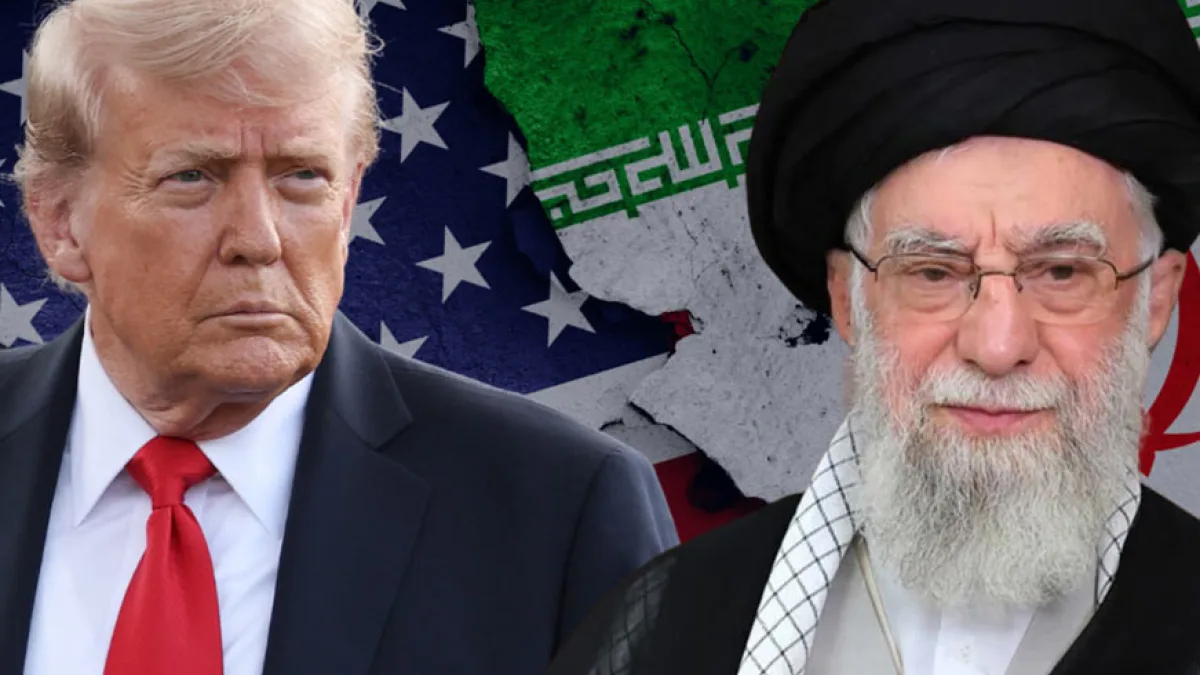
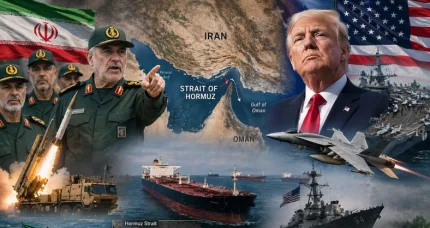
President Donald Trump announced that the Strait of Hormuz is open and “ready for full passage,” describing the development as a major shift for one of the world’s most important shipping routes. According to Newsmax, Trump said in a Truth Social post that Iran had announced the strait was “fully open and ready for full passage.” He then added in a separate post that a naval blockade would remain in effect as it pertains only to Iran until the broader transaction with Tehran is completed. The message immediately placed the White House at the center of a high-stakes geopolitical and economic moment.
The significance of the announcement is hard to overstate. The Strait of Hormuz is one of the world’s most critical oil transit chokepoints, and any disruption there can ripple through energy markets and supply chains almost instantly. Newsmax reported that after the announcement, oil prices dropped by more than 11%, reflecting market expectations of improved stability and freer movement of supply. In other words, this was not simply a diplomatic update. It was a development with immediate consequences for fuel, trade, and the broader global economy.
12,200+
patriots joined
Keep reading — stay on the brief
Daily MAGA briefing in your inbox. Free, unsubscribe anytime.
Details & Background
Newsmax reported that Iran’s foreign minister, Seyed Abbas Araghchi, confirmed shortly after Trump’s post that passage for all commercial vessels through the Strait of Hormuz is open during a ceasefire tied to the conflict in Lebanon. Araghchi said the route was “completely open” for the duration of the ceasefire and added that vessels must travel along a coordinated route established by Iran’s Ports and Maritime Organization. Newsmax also reported that Iran formally declared the strait open to commercial traffic as part of a temporary halt in hostilities linked to fighting involving Israel and Lebanon.
That matters because the strait is not just another body of water on the map. It is a narrow passage that carries an enormous share of the world’s seaborne energy traffic, which means even temporary uncertainty can raise costs and intensify political pressure. Newsmax further reported that Iran’s deputy foreign minister, Saeed Khatibzadeh, said Tehran remains committed to keeping the route open, though he suggested new arrangements could still be introduced amid continued tensions. He also said security, safe passage, and environmental concerns would be taken into account, underscoring that the route may be open, but it is still being managed under a tense and highly conditional regional environment.
Reactions
Trump’s own public reaction was unmistakable. In his Truth Social message, as quoted by Newsmax, he wrote, “IRAN HAS JUST ANNOUNCED THAT THE STRAIT OF IRAN IS FULLY OPEN AND READY FOR FULL PASSAGE. THANK YOU!” In a follow-up message, he emphasized that the naval blockade would remain “in full force and effect” as it pertains to Iran until the transaction with that country is fully complete. Those two statements together delivered a dual signal: relief that commercial access had resumed, and pressure that U.S. leverage would remain active.
Iranian officials publicly echoed the access portion of the message while also making clear that their broader position has not softened completely. Newsmax reported that Araghchi tied the reopening to the ceasefire period, and that Khatibzadeh warned Tehran would not accept what he described as a limited truce. He argued that any durable agreement would need to stretch across multiple conflict zones and accused the United States and Israel of contributing to instability. That mix of messages shows the region may have stepped back from a more dangerous moment, but it has not reached settled peace. Commercial passage may be open, yet the political contest surrounding it remains deeply active.
Why This Matters to You
For American readers, the most immediate impact is economic. When the Strait of Hormuz is under threat, the risk is not confined to military planners or shipping companies. Families can feel it through higher energy prices, market volatility, and renewed uncertainty across the global economy. Newsmax’s report that oil prices fell sharply after the opening announcement shows how sensitive the system remains. A functioning route can ease pressure quickly; a threatened route can do the opposite just as fast. That makes this one of those foreign policy stories that can land directly in household budgets back home.
It also matters because it reflects a broader question of deterrence and control. The U.S. government should be protecting freedom of navigation, maintaining pressure on hostile actors, and preventing critical trade routes from being used as leverage against the world economy. Trump’s message projected exactly that blend of access and force: commercial traffic can move, but strategic pressure on Iran remains. In a region where weakness is often tested immediately, that distinction carries weight. An open Strait of Hormuz may calm markets for the moment, but the larger lesson remains that peace, commerce, and security depend on strength being visible, credible, and sustained.