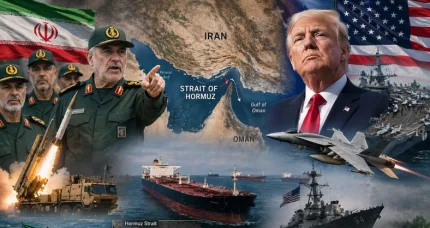
Breaking President Donald Trump said multiple countries are prepared to send ships to the Strait of Hormuz in order to keep the critical shipping route open amid tensions involving Iran. Speaking about the situation, Trump indicated that nations around the world recognize the importance of ensuring that the narrow waterway remains accessible to global shipping.
Breaking
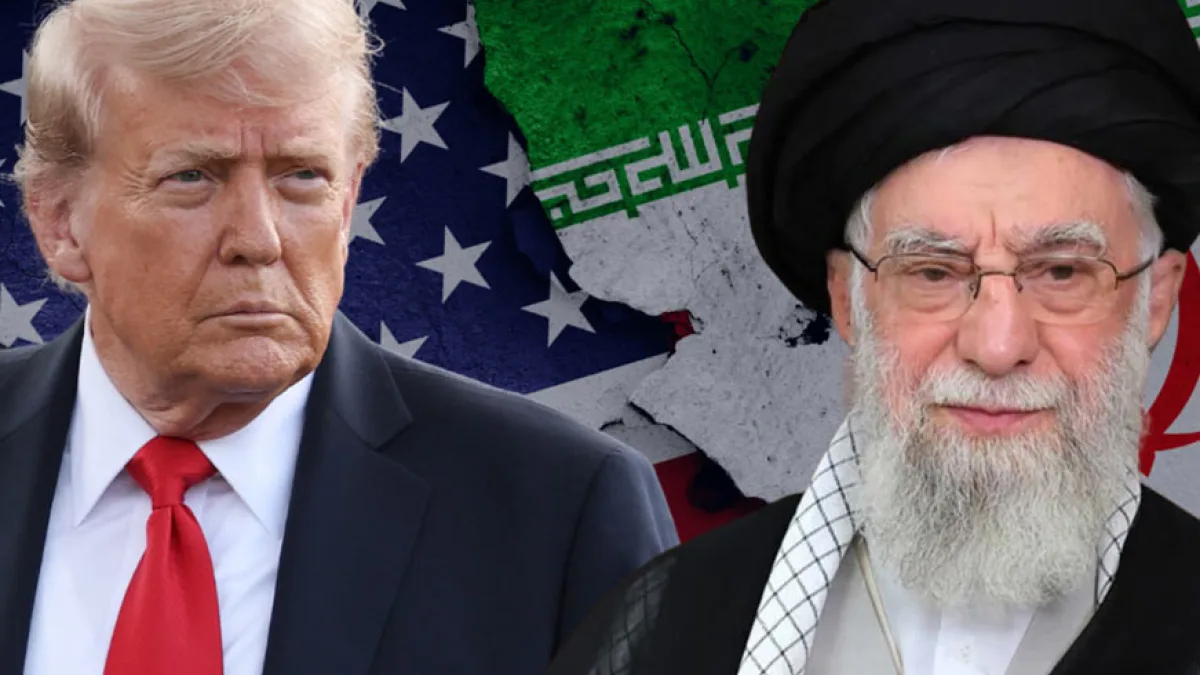
President Donald Trump said multiple countries are prepared to send ships to the Strait of Hormuz in order to keep the critical shipping route open amid tensions involving Iran.
Speaking about the situation, Trump indicated that nations around the world recognize the importance of ensuring that the narrow waterway remains accessible to global shipping. The Strait of Hormuz connects the Persian Gulf with the Gulf of Oman and serves as one of the most strategically important maritime passages on the planet.
12,200+
patriots joined
Keep reading — stay on the brief
Daily MAGA briefing in your inbox. Free, unsubscribe anytime.
Trump suggested that if Iran attempted to block or disrupt traffic through the strait, an international effort could quickly emerge to ensure that commercial vessels are able to continue passing through the region safely.
Details & Background
The Strait of Hormuz is one of the most vital energy chokepoints in the world. A large percentage of global oil exports pass through the narrow corridor every day, making it a central artery for the international energy market.
Because of its strategic importance, tensions involving Iran and the waterway have long been a focus of international security discussions. Iranian leaders have occasionally suggested the possibility of restricting or closing the passage during times of conflict or heightened political pressure.
Trump’s remarks come as geopolitical tensions in the Middle East remain elevated. According to reports, discussions about protecting shipping lanes have included the possibility of multinational naval patrols designed to ensure that tankers and cargo ships can move freely through the region.
Trump emphasized that global commerce depends on the stability of major shipping routes such as the Strait of Hormuz. Any disruption could quickly ripple across international markets.
Reactions
Observers and analysts responded quickly to Trump’s comments about the possibility of international naval involvement.
Security experts have long argued that maintaining open access to the Strait of Hormuz is a shared interest among many nations because the passage is essential to global trade. One analyst noted that the international community has historically taken threats to the waterway seriously.
Trump made clear that the global stakes are significant. “Countries will send ships to keep it open,” Trump said while discussing the situation, emphasizing that the waterway’s role in energy supply makes it too important to be closed.
Foreign policy commentators on social media also highlighted the potential consequences of any disruption to the strait. Some noted that even the threat of interference can impact oil markets and shipping costs.
Why This Matters to You
The stability of major global shipping routes directly affects everyday Americans. When key passages like the Strait of Hormuz face potential disruption, energy markets often react immediately.
Because such a large portion of the world’s oil supply passes through the strait, any interruption could push fuel prices higher and create economic ripple effects. That means decisions involving the protection of international shipping lanes ultimately influence everything from transportation costs to the price of goods.
Governments across the world closely monitor developments in the region for that reason. Ensuring that the waterway remains open has historically been treated as a priority by multiple nations.
Trump’s remarks reflect the understanding that keeping global trade routes functioning is essential to economic stability. As tensions continue to unfold in the region, the situation surrounding the Strait of Hormuz remains a key issue watched by policymakers, military leaders, and markets around the world.