Breaking President Donald Trump announced that a deal with Iran is complete, declaring that the Strait of Hormuz will reopen and that the United States will remove its naval blockade. Trump wrote that the agreement with Iran was “now complete” and said, “Ships of the World, start your engines. Let the oil flow!” The announcement
Breaking
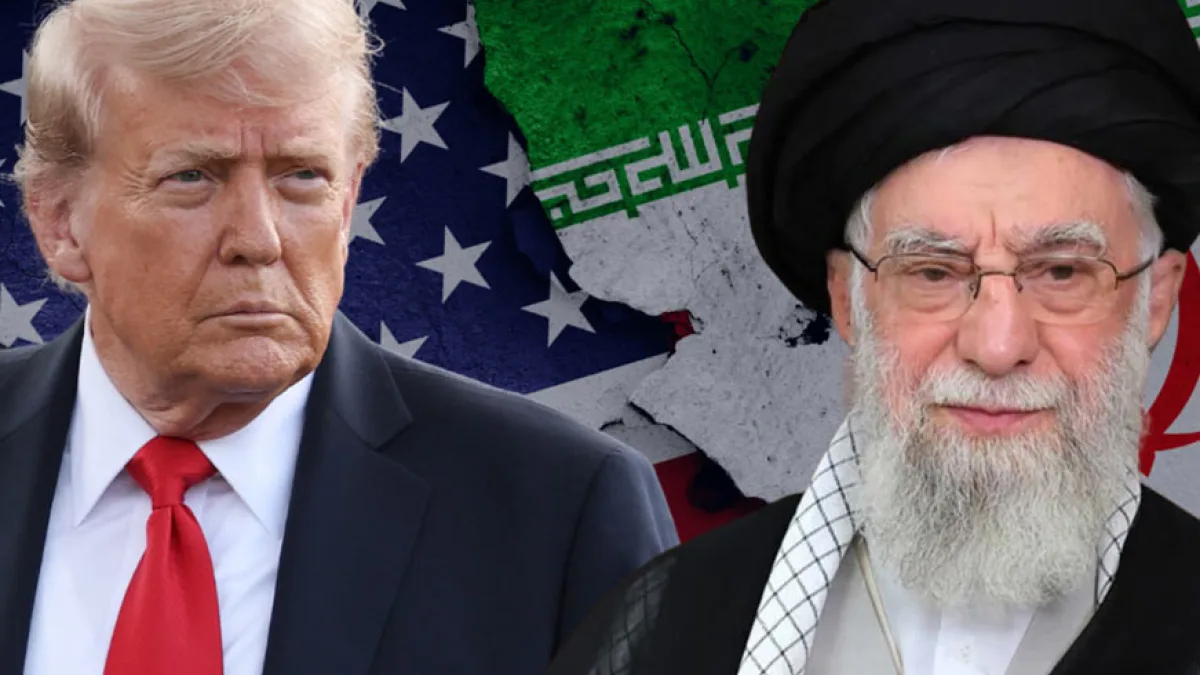
President Donald Trump announced that a deal with Iran is complete, declaring that the Strait of Hormuz will reopen and that the United States will remove its naval blockade. Trump wrote that the agreement with Iran was “now complete” and said, “Ships of the World, start your engines. Let the oil flow!” The announcement immediately drew international attention because the Strait of Hormuz is one of the world’s most critical oil shipping routes.
Vice President JD Vance later said the United States and Iran had already signed the deal digitally ahead of a formal signing ceremony in Switzerland. Reports described the signed document as a peace agreement or memorandum intended to end the conflict, extend the ceasefire, and reopen the Strait of Hormuz. The Associated Press reported that Iran’s deputy foreign minister confirmed an initial agreement but said implementation would not begin until the formal signing.
12,200+
patriots joined
Keep reading — stay on the brief
Daily MAGA briefing in your inbox. Free, unsubscribe anytime.
Details & Background
The agreement follows months of conflict and intense pressure over Iran’s actions in the region, including the attempted closure or restriction of the Strait of Hormuz. Trump had publicly warned Iran that the waterway must be reopened without threat and without tolls. In another post, Trump said Iran had agreed never to close the Strait of Hormuz again, writing that it would no longer be used as a weapon against the world.
The deal is being described as an initial framework rather than a final settlement of every issue. Reports say the agreement is tied to a ceasefire extension, reopening of the waterway, and future technical talks on Iran’s nuclear program. Vance said Iran could gain access to reconstruction support if it ends its nuclear program, while emphasizing that the money would come from Gulf nations rather than American taxpayers.
Reactions
Trump presented the development as a direct result of American pressure and decisive leadership. His message was plain: the shipping lanes are reopening, oil can move, and Iran has been forced into an agreement. For a president who has long argued that strength prevents war, the announcement fits squarely into his broader foreign policy message.
There are still skeptics, including some Republicans who want to see the full text before celebrating. Senator Lindsey Graham reportedly questioned the reconstruction fund concept, while Vance defended the structure by saying Iran must meet strict obligations before receiving benefits. The fact that the full agreement has not yet been released means the political debate is likely to continue, especially over enforcement, nuclear restrictions, sanctions relief, and whether Iran can be trusted to comply.
Why This Matters to You
The Strait of Hormuz is not a distant foreign policy detail. It is directly connected to oil markets, gas prices, shipping costs, inflation pressure, and the broader security of American families. When that waterway is threatened, the economic shock can reach kitchen tables across the country. That is why Trump’s announcement is being watched closely by markets, allies, adversaries, and working Americans.
The government should respond by enforcing every condition publicly and firmly. Any deal with Iran must include real verification, consequences for violations, and protection for American interests. A signed document is only the beginning; the real test is whether Iran follows through. For now, Trump is claiming a major breakthrough, oil traffic is expected to resume, and the world is watching whether peace through strength can hold where years of weakness and appeasement failed.