
Breaking
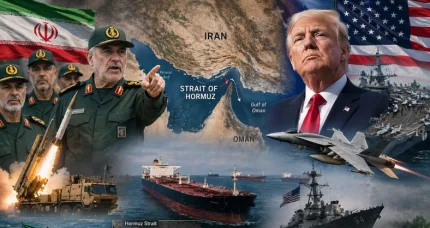
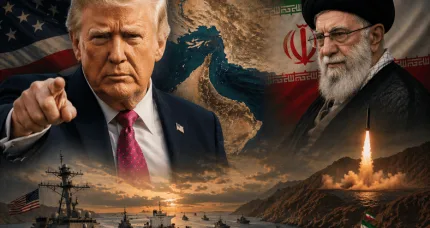
President Donald Trump is making his stance on potential U.S. ground involvement in Iran unmistakably clear: he does not believe sending American troops into the country would be a wise move.
Speaking about the ongoing tensions in the region, Trump indicated that deploying “boots on the ground” would likely lead to a drawn-out conflict with limited strategic benefit. The president argued that large-scale ground wars often consume enormous resources while placing American lives at unnecessary risk.
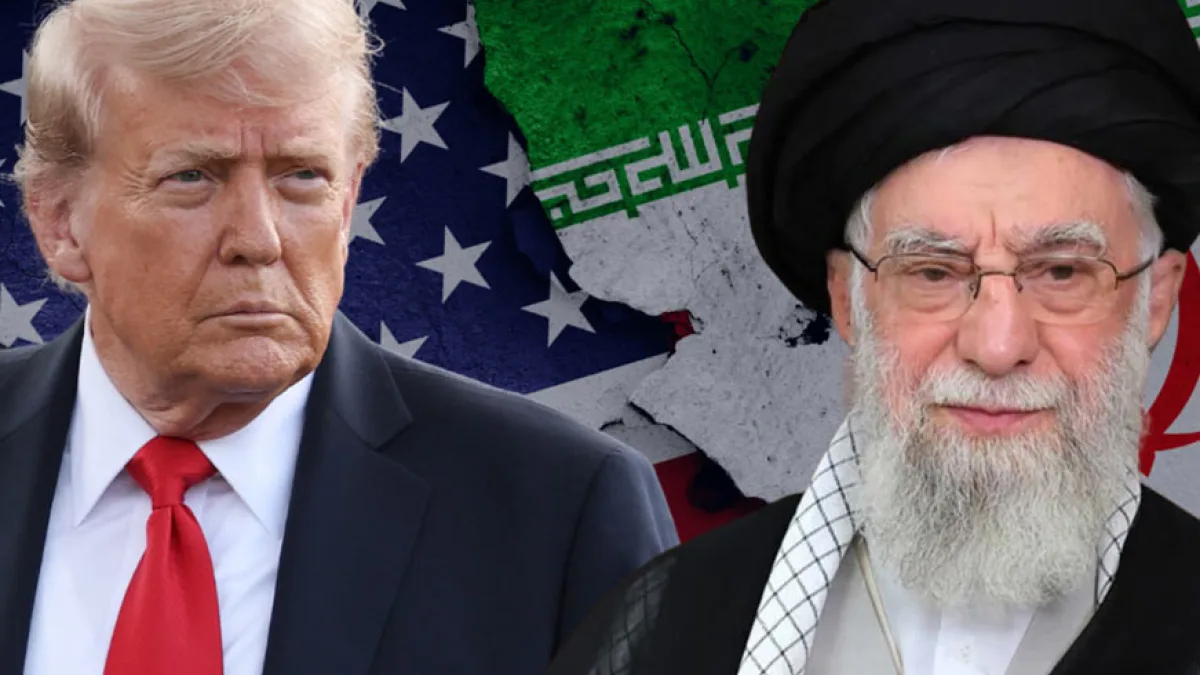
Iran says it will declare an exclusion zone in the Strait of Hormuz and punish ships that pass through. Another empty threat — they cannot enforce it. Is Iran all talk on the Strait of Hormuz?
Keep reading — stay on the brief
Daily MAGA briefing in your inbox. Free, unsubscribe anytime.
Instead, Trump suggested that the United States should pursue approaches that maintain pressure on hostile regimes while avoiding the kinds of prolonged military campaigns that defined previous decades.
The comments come as policymakers and analysts debate how the United States should respond to the growing confrontation with Iran.
Details & Background
For years, Trump has emphasized a foreign policy philosophy centered on avoiding endless wars while maintaining a strong national defense.
During his presidency and subsequent political leadership, Trump frequently criticized previous administrations for committing American troops to prolonged conflicts across the Middle East.
In the case of Iran, Trump signaled that while the United States must remain vigilant against threats, a full-scale ground invasion would likely repeat mistakes seen in earlier military engagements.
According to Trump, military operations that rely heavily on troop deployments often become long-term commitments that are difficult to end. The president indicated that such strategies rarely produce quick or decisive outcomes.
Instead, Trump has historically emphasized alternative measures such as economic pressure, targeted operations, and diplomatic leverage when confronting hostile governments.
Reactions
Trump’s remarks have generated discussion across political and military circles.
Supporters of the president’s approach argue that avoiding ground wars protects American service members and prevents the country from becoming entangled in conflicts with unclear objectives.
Others note that the U.S. military remains capable of projecting power without relying on large troop deployments, using advanced technology, intelligence capabilities, and strategic alliances.
Trump has repeatedly stressed that America’s military should remain strong but used carefully. “Boots on the ground would be a waste of time,” Trump said while discussing the potential for expanded conflict with Iran.
The president’s comments align with a long-standing skepticism among many Americans toward prolonged overseas wars.
Why This Matters to You
Decisions about military involvement overseas directly affect American families, taxpayers, and the service members who would be sent into combat.
Ground wars often carry enormous costs, both financially and in human lives. For decades, the United States has wrestled with how to balance global security responsibilities while avoiding conflicts that can last for years.
Trump’s position suggests that the government may seek ways to maintain pressure on hostile regimes without committing to another major ground war in the Middle East.
For many Americans—especially military families—this approach reflects a desire to protect national security while preventing a repeat of past conflicts that placed heavy burdens on the country.
As tensions with Iran continue to unfold, how the United States responds will shape not only the region but also the future direction of American foreign policy.