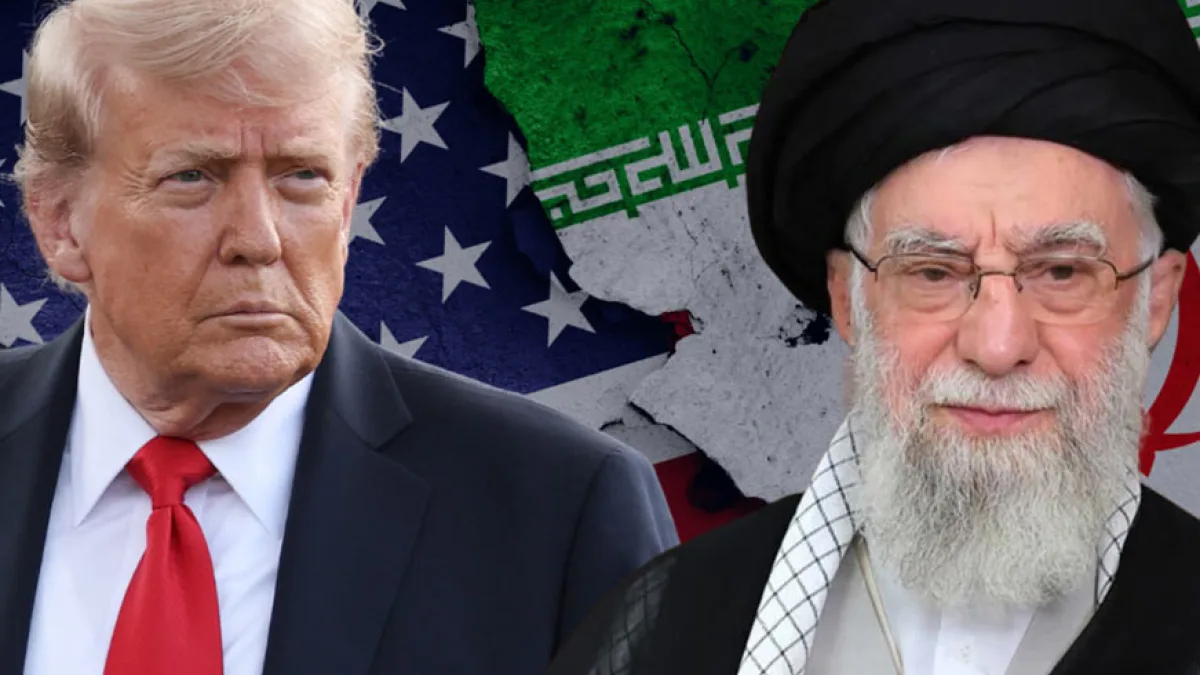
The fragile ceasefire that had held in the Middle East since April 2026 shattered over the weekend in the most violent exchange of fire between Israel and Iran in months. Officials described the June 7-8 escalation as the most serious confrontation since the direct conflict between the two nations began earlier this year. Israel launched
Israel launched major airstrikes against targets in central and western Iran.
Iran responded with three separate waves of ballistic missiles aimed at Israel.
Explosions echoed across central Israel as air raid sirens sent civilians scrambling into bomb shelters.
Travelers at Ben Gurion Airport were forced to take cover as missile alerts sounded across the region.
The weekend’s violence reminded the world that Iran remains capable of inflicting significant damage despite months of military setbacks.
To understand the importance of the latest escalation, it is necessary to revisit the origins of the broader conflict.
The 2026 Iran war, known among military planners as Operation Iron Strike, began on February 28 after the collapse of diplomatic negotiations between Washington and Tehran.
The Israeli Security Cabinet reportedly authorized military action on January 5 following consultations between Prime Minister Benjamin Netanyahu and President Donald Trump.
Military planners believed Iran was particularly vulnerable at the time.
Mass protests had erupted across the country, fueled by economic collapse, infrastructure failures, and growing public frustration with the regime.
Israeli and American leaders viewed that moment as a strategic opportunity to strike.
The human cost of the war has been enormous.
Current estimates place total deaths across the conflict at between 7,000 and nearly 10,000 people.
More than 46,000 individuals have reportedly been injured.
Iran has suffered the largest share of casualties, with thousands killed and tens of thousands wounded.
Lebanon has also paid a heavy price due to Israel’s parallel operations against Hezbollah.
Israel has recorded dozens of deaths and thousands of injuries since the conflict began.
The United States has not escaped unscathed either, with American service members among the casualties.
These losses underscore that the conflict extends far beyond a regional dispute.
During the June 7-8 escalation, Israeli forces targeted petrochemical facilities, surveillance infrastructure, and military installations across Iran.
Images of burning facilities quickly circulated online and were later confirmed by Iranian state media.
Iran’s response consisted of multiple ballistic missile barrages directed at Israeli population centers.
Israeli missile defense systems intercepted most of the incoming projectiles, limiting casualties and damage.
One of the most significant developments occurred behind the scenes rather than on the battlefield.
According to multiple reports, Israel was preparing a major strike against Tehran itself.
Before that operation could proceed, President Trump reportedly placed a direct phone call to Prime Minister Netanyahu.
Trump urged Israel to halt further escalation and avoid a strike on the Iranian capital.
Shortly afterward, Netanyahu announced that Israel would honor the American request and pause military operations.
Notably, Netanyahu avoided describing the decision as a formal ceasefire.
The move reflected a broader American strategy that seeks to combine military pressure with diplomatic leverage.
Trump elaborated on that strategy during an interview with NBC’s Kristen Welker.
He argued that Iranian leadership had been “largely decapitated” and insisted that American strikes had severely damaged Iran’s nuclear infrastructure.
At the same time, Trump left the door open to future negotiations.
He suggested that the United States would be willing to work with Iran to eliminate its uranium stockpiles if a credible agreement could be reached.
Iran’s public response was defiant but noticeably measured.
Officials warned that operations could resume if Israeli strikes continued elsewhere in the region.
At the same time, senior Iranian figures indicated that diplomatic talks remained possible if they believed the United States was negotiating in good faith.
Both countries subsequently announced steps toward easing emergency restrictions.
Those actions suggested that neither side wanted the June escalation to spiral into a broader regional war.
Months of fighting have already reshaped the Middle East and produced consequences that extend far beyond the battlefield.
The death of Iran’s longtime Supreme Leader during the conflict marked one of the most significant political developments in the region in decades.
His son was elevated as successor, a move widely interpreted as an effort to preserve regime continuity during a period of extraordinary instability.
Meanwhile, Iran’s regional proxy network remains active despite repeated military setbacks.
The Houthis in Yemen used the latest escalation as an opportunity to launch additional attacks and threaten shipping routes in the Red Sea.
Their actions served as a reminder that weakening Iran’s military does not automatically dismantle the broader influence network Tehran has spent decades constructing.
The economic consequences are increasingly being felt worldwide.
Disruptions to Gulf shipping and continued instability around the Strait of Hormuz have placed upward pressure on global energy markets.
American consumers have already seen the effects through higher fuel and transportation costs.
The conflict has also placed additional strain on U.S. military resources and allied defense commitments throughout the region.
The June 7-8 exchange ultimately demonstrated how fragile every ceasefire in this conflict remains.
Each pause in fighting has been temporary.
Each side retains both the capability and willingness to resume hostilities when strategic calculations change.
The latest escalation was not an isolated incident but another chapter in a war that has already transformed the strategic landscape of the Middle East.
For now, diplomacy has regained a foothold.
Whether that opportunity leads to a lasting settlement or merely delays the next round of violence remains one of the most important questions facing the region today.