Breaking President Donald Trump has answered Iran’s demand for compensation from the United States with a demand of his own: Tehran, he says, should compensate Americans killed and seriously injured in attacks and conflicts linked to the Iranian government and its proxies. Trump said he was “likewise demanding compensation from Iran, for all of the
Breaking
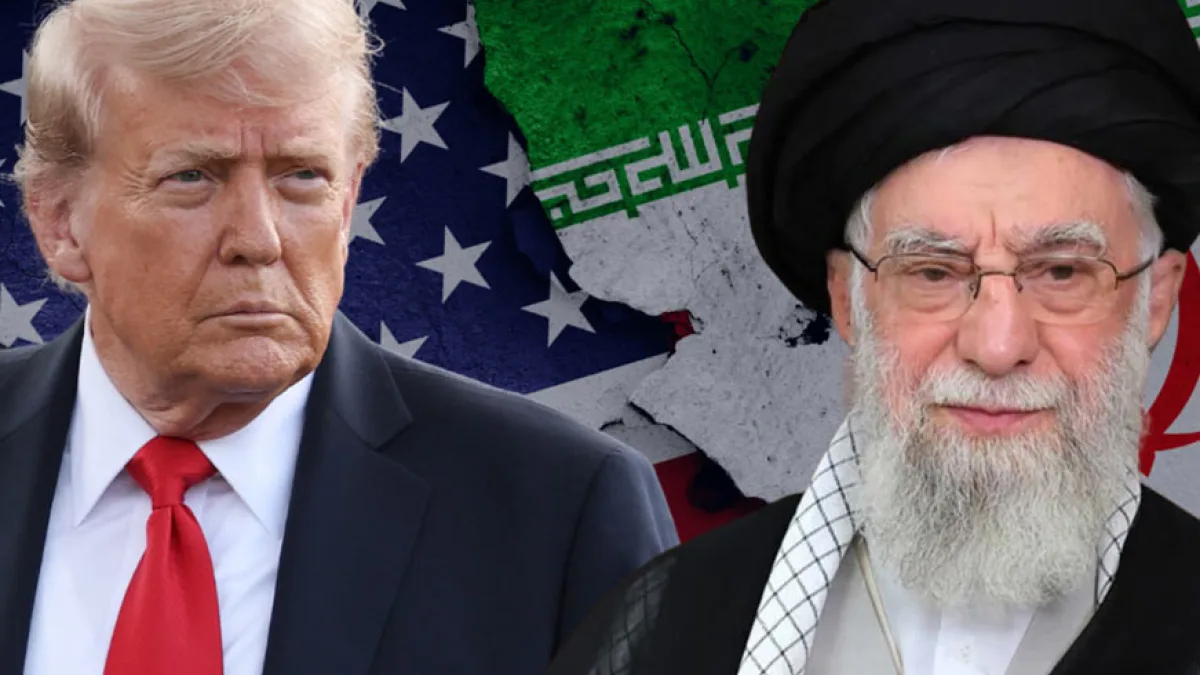
President Donald Trump has answered Iran’s demand for compensation from the United States with a demand of his own: Tehran, he says, should compensate Americans killed and seriously injured in attacks and conflicts linked to the Iranian government and its proxies. Trump said he was “likewise demanding compensation from Iran, for all of the people that they have killed and gravely wounded with their roadside bombs and many conflicts.” The demand represents another escalation in the dispute between Washington and Tehran as diplomats struggle to find a route toward reducing hostilities.
Trump issued the statement after Iranian officials sought compensation for damage inflicted during the months-long conflict involving Iran, the United States and Israel. Rather than accepting Tehran’s premise, Trump argued that any discussion of financial restitution must also account for Americans harmed in violence he attributes to Iran. He said the compensation question should be incorporated into future negotiations with the Islamic Republic.
12,200+
patriots joined
Keep reading — stay on the brief
Daily MAGA briefing in your inbox. Free, unsubscribe anytime.
Details & Background
The dispute is unfolding alongside a wider confrontation over the Strait of Hormuz, the narrow waterway connecting the Persian Gulf with global shipping routes. Iranian officials have tied the full reopening of the strait to demands directed at Washington, including changes to U.S. sanctions and other measures. The prolonged uncertainty surrounding the waterway has increased fears of additional disruption to global energy supplies and contributed to renewed pressure on oil markets.
Trump’s comments also reach far beyond the current conflict. In describing the people for whom he believes Iran owes compensation, the president referenced Americans killed or wounded by roadside bombs and in other conflicts he associates with Iranian support. He specifically invoked the legacy of Iranian General Qassem Soleimani, whom the United States long accused of directing or supporting operations by militant groups across the Middle East. Trump has repeatedly argued that Tehran should be held financially and strategically responsible for attacks carried out by forces supported by Iran.
Reactions
Iran’s position has been that it deserves compensation for destruction caused during the recent war and that Washington must meet broader conditions before relations can normalize and the Strait of Hormuz can fully reopen. Iranian Foreign Ministry spokesperson Esmail Baghaei said Tehran would not reopen the strategic passage without its conditions being addressed. Trump’s answer effectively reframes the negotiations by insisting that Iranian responsibility for past violence must also be placed on the table.
The immediate implications extend into global markets. Reports following Trump’s statement showed oil prices moving higher as investors weighed the possibility that a rapid agreement over the Strait of Hormuz was becoming less likely. The market reaction highlights how quickly an American-Iranian confrontation can move beyond diplomacy and military strategy and reach consumers and businesses dependent on stable international energy supplies.
Why This Matters to You
For American families, Trump’s demand raises a fundamental question about whether foreign governments accused by the United States of supporting attacks against Americans should face financial consequences in addition to military, diplomatic or economic penalties. Families of service members killed or wounded in overseas conflicts have lived with the consequences of Iranian-backed militant activity for years. Trump is now arguing that their losses should be part of the negotiating equation rather than allowing discussions of compensation to focus exclusively on damage suffered by Iran.
The federal government now faces the difficult task of pursuing accountability while preventing the confrontation from expanding further. Washington must balance pressure on Tehran with the security of American troops, commercial shipping and allies in the region, while also considering the economic consequences of prolonged disruption around the Strait of Hormuz. Trump’s compensation demand makes clear that he intends past attacks on Americans to remain part of any future settlement. Whether Iran accepts that principle is uncertain, but the dispute ensures that accountability for American casualties will remain intertwined with the larger struggle over security, energy and peace in the Middle East.