BreakingPresident Donald Trump is weighing the deployment of a second U.S. aircraft carrier strike group to the Middle East as nuclear negotiations with Iran resume, signaling that military force remains firmly on the table if diplomacy collapses. The consideration comes as talks restart after last year’s brief but intense 12-day conflict between the two nations.
Breaking
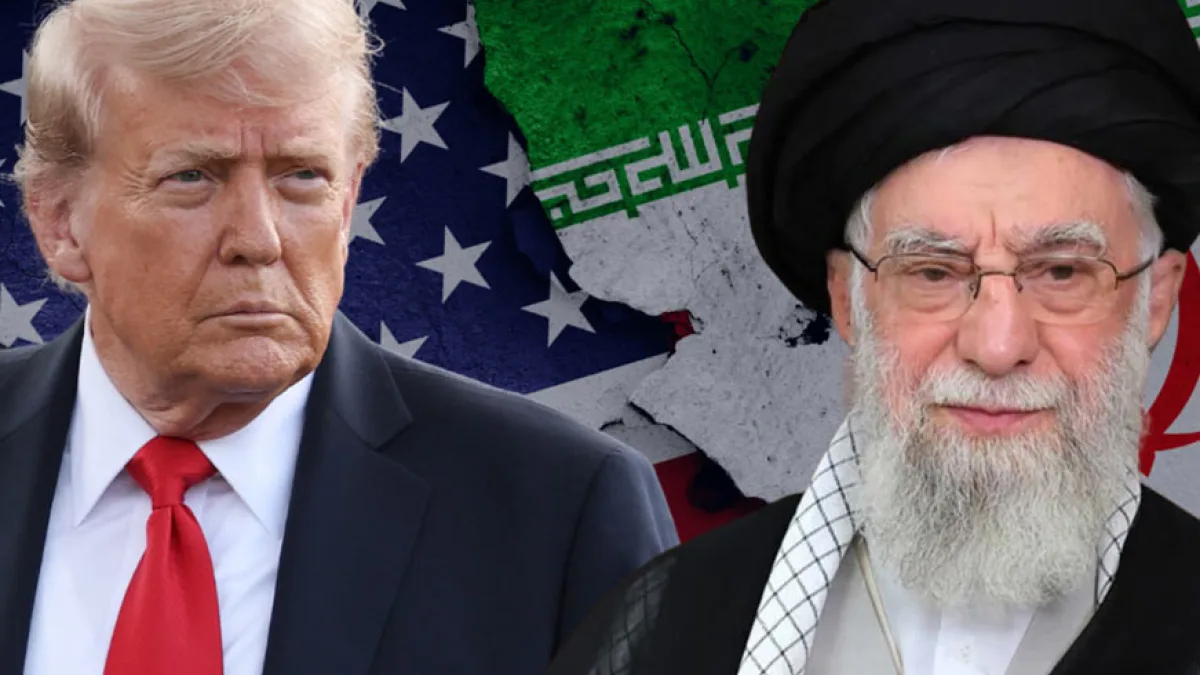
President Donald Trump is weighing the deployment of a second U.S. aircraft carrier strike group to the Middle East as nuclear negotiations with Iran resume, signaling that military force remains firmly on the table if diplomacy collapses. The consideration comes as talks restart after last year’s brief but intense 12-day conflict between the two nations.
In an interview with Axios on Tuesday, Trump made clear that Iran faces serious consequences if negotiations fail. “Either we will make a deal or we will have to do something very tough like last time,” the president said, referencing U.S. strikes on Iranian nuclear facilities in June. A U.S. official confirmed that discussions about deploying another carrier are already underway.
Details & Background
The United States and Iran resumed negotiations last Friday in Oman, marking their first direct talks since the conflict. Despite the diplomatic engagement, the Trump administration has maintained — and expanded — a significant military presence in the region. The USS Abraham Lincoln and its strike group are already deployed, equipped with fighter jets, Tomahawk missiles, and escort vessels.
12,200+
patriots joined
Keep reading — stay on the brief
Daily MAGA briefing in your inbox. Free, unsubscribe anytime.
Trump indicated that a second round of talks is expected next week, but emphasized that the U.S. is prepared for all outcomes. “We have an armada that is heading there and another one might be going,” he said, adding that he is actively “thinking” about sending another carrier strike group. During much of the war in Gaza, the U.S. operated two carriers in the Middle East, a posture widely seen as a deterrent to escalation.
Reactions
Despite the military buildup, Trump expressed confidence that diplomacy could succeed, saying Iran “wants to make a deal very badly” and is approaching negotiations more seriously due to sustained U.S. pressure. “Last time they didn’t believe I would do it,” Trump said. “They overplayed their hand.”
Iranian officials, however, have publicly insisted that negotiations focus solely on their nuclear program and that Tehran will not relinquish its right to enrich uranium. That position has drawn skepticism from U.S. and Israeli officials. Trump called it a “no-brainer” that any agreement must address nuclear ambitions and suggested talks could also include Iran’s ballistic missile stockpiles. “We can make a great deal with Iran,” he said.
Why This Matters to You
The situation highlights a defining difference in U.S. foreign policy: peace through strength versus diplomacy without leverage. Trump’s approach signals to adversaries that negotiations are backed by credible force, reducing the likelihood of prolonged conflict and protecting American interests abroad.
With Israeli Prime Minister Benjamin Netanyahu preparing to visit Washington, coordination between allies remains central to the process. Netanyahu has said he intends to outline Israel’s “essential principles” for any deal, and Trump noted that the Israeli leader “also wants a deal.” As talks continue, the administration’s readiness to deploy additional military power underscores a broader message — that American security, regional stability, and the prevention of nuclear escalation remain non-negotiable priorities.