Breaking Nuclear negotiations between the United States and Iran have stalled after an intense round of talks failed to produce an agreement. Vice President JD Vance, representing the Trump administration, outlined six firm demands aimed at permanently preventing Iran from acquiring nuclear weapons. Despite what officials described as a “friendly and productive exchange,” the discussions
Breaking
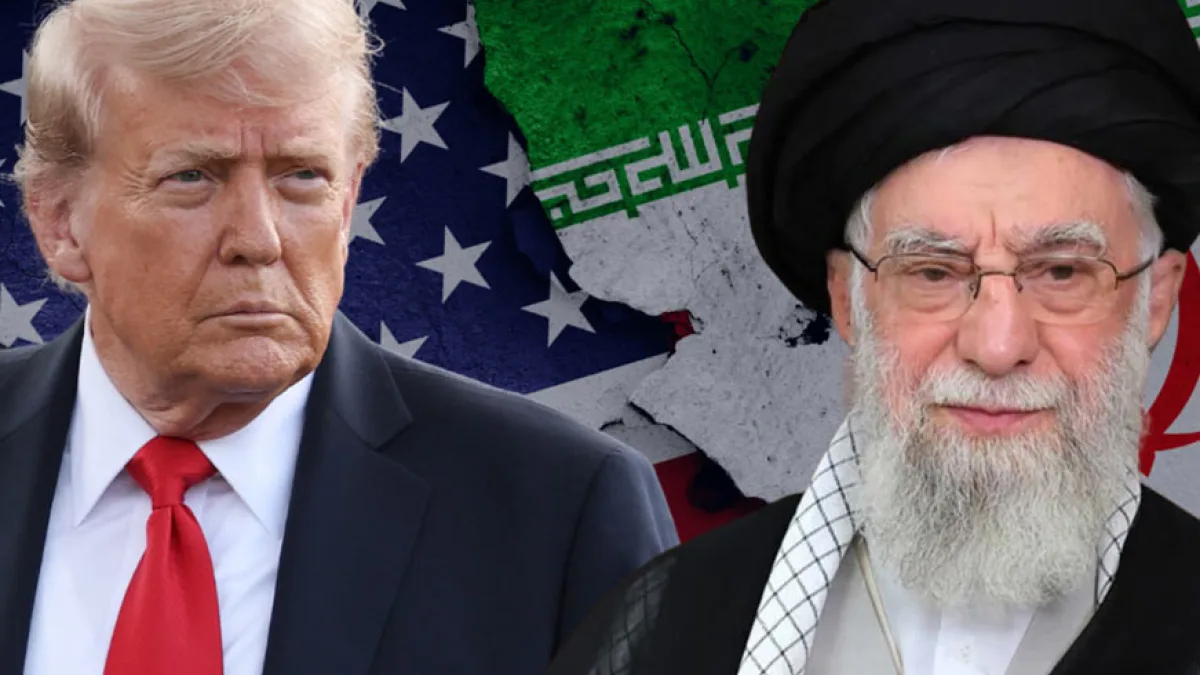
Nuclear negotiations between the United States and Iran have stalled after an intense round of talks failed to produce an agreement. Vice President JD Vance, representing the Trump administration, outlined six firm demands aimed at permanently preventing Iran from acquiring nuclear weapons. Despite what officials described as a “friendly and productive exchange,” the discussions ended without resolution.
The talks, held in Islamabad, lasted more than 20 hours and were seen as a critical opportunity to bridge longstanding divisions. However, Vance made it clear before departing that the United States would not compromise on its core conditions. “We have made very clear what our red lines are,” he said. “And they have not chosen to accept our terms.” The impasse underscores the deep divide between Washington and Tehran.
12,200+
patriots joined
Keep reading — stay on the brief
Daily MAGA briefing in your inbox. Free, unsubscribe anytime.
Details & Background
According to senior U.S. officials, the six red lines presented during negotiations form the backbone of the administration’s strategy. These include a complete end to uranium enrichment, dismantling Iran’s nuclear facilities, and surrendering highly enriched material. Additional demands call for Iran to halt support for terrorist proxies such as Hamas and Hezbollah, reopen the Strait of Hormuz without tolls, and commit to a broader regional security framework.
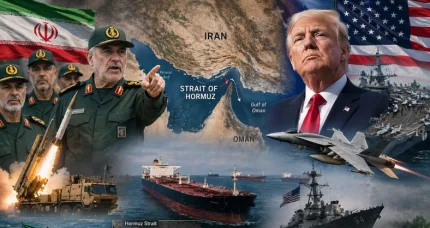
These conditions reflect longstanding concerns about Iran’s nuclear ambitions and its role in regional instability. The Strait of Hormuz, in particular, is a vital global shipping route responsible for a significant portion of the world’s energy supply. Any disruption in this corridor has immediate global economic implications.
Following the breakdown in talks, President Donald Trump escalated pressure by announcing a U.S. naval blockade of the Strait of Hormuz. The move is intended to ensure freedom of navigation and prevent Iran from exerting control over international shipping. Trump warned that vessels paying tolls to Iran could face military action, signaling a readiness to enforce U.S. policy through force if necessary.
Reactions
Administration officials expressed frustration that Iran appeared to underestimate the strength of the American position. One senior official noted that U.S. negotiators presented what they viewed as a final offer, only to see it rejected. This prompted Vance to conclude the talks without agreement.
President Trump, however, maintained cautious optimism. He stated that negotiations were “95% complete” but stalled over Iran’s insistence on maintaining some level of nuclear capability. This gap remains the central obstacle to a deal.
International observers have reacted with concern over the potential for escalation. While some view the U.S. stance as necessary to prevent nuclear proliferation, others worry that increased pressure could lead to heightened tensions or conflict in the region. The situation remains fluid, with diplomatic and military developments unfolding simultaneously.
Why This Matters to You
The outcome of these negotiations carries significant consequences for American security and global stability. A nuclear-armed Iran would alter the balance of power in the Middle East, increasing the risk of conflict and potentially drawing the United States into another major confrontation.
Energy markets are also directly affected. The Strait of Hormuz handles a substantial share of global oil shipments, meaning any disruption can lead to higher fuel costs for American families. The administration’s decision to enforce open access to this route reflects an effort to protect both economic and strategic interests.
From a national security standpoint, the government’s approach signals a commitment to preventing nuclear proliferation through firm, non-negotiable terms. The combination of diplomatic pressure and military readiness demonstrates a strategy designed to deter aggression while keeping the door open for a peaceful resolution.
As tensions remain high, the path forward will depend on whether Iran chooses to meet these demands or continue resisting. The stakes are substantial, and the decisions made in the coming period will shape not only regional dynamics but also the safety and stability of American life.