Breaking Qatar shot down two Iranian fighter jets after they entered the country’s sovereign airspace, according to regional security officials. The incident occurred amid rapidly intensifying tensions in the Middle East following joint U.S. and Israeli strikes targeting Iran’s leadership and military infrastructure. The Qatari government confirmed that its air defense systems were activated after
Breaking
Qatar shot down two Iranian fighter jets after they entered the country’s sovereign airspace, according to regional security officials. The incident occurred amid rapidly intensifying tensions in the Middle East following joint U.S. and Israeli strikes targeting Iran’s leadership and military infrastructure.
The Qatari government confirmed that its air defense systems were activated after detecting unauthorized aircraft crossing into its airspace. Both Iranian jets were intercepted and destroyed. No immediate reports of civilian casualties or damage inside Qatar were released, though officials indicated that security forces remain on heightened alert.
12,200+
patriots joined
Keep reading — stay on the brief
Daily MAGA briefing in your inbox. Free, unsubscribe anytime.
Details & Background
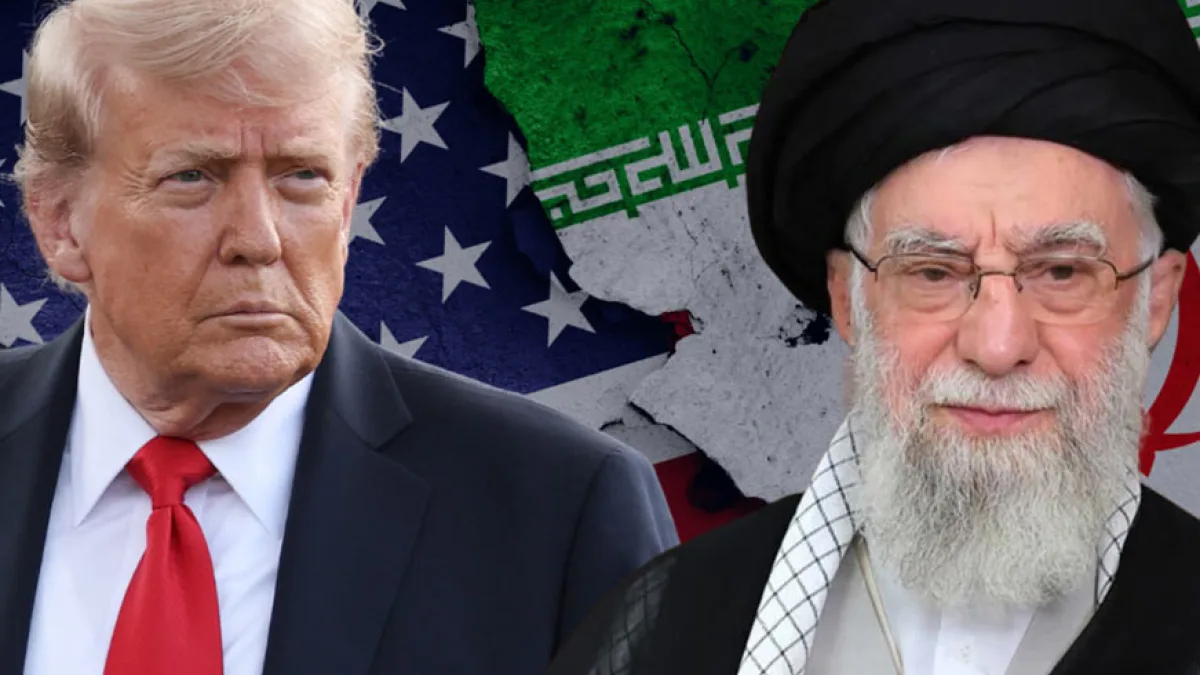
The confrontation comes as the region remains on edge after U.S. and Israeli forces launched coordinated strikes against Iranian targets. Iranian state media confirmed that Ayatollah Ali Khamenei was killed in the opening wave of attacks, and Western officials have said that top security figures were also targeted.
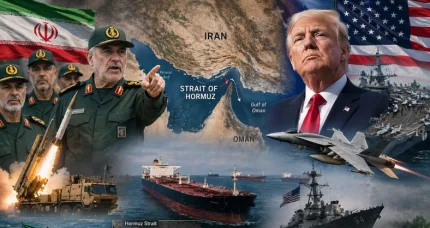
Qatar hosts significant strategic assets, including U.S. military installations that play a central role in regional operations. Any breach of Qatari airspace raises immediate security concerns, particularly given the presence of American personnel and equipment in the country. Defense analysts note that even a limited incursion can carry broader implications if viewed as a test of regional resolve.
Iran has not immediately released a formal statement explaining the aircraft’s mission or intent. However, the timing of the airspace violation — so soon after the strikes on Iranian leadership — has fueled speculation that Tehran may be probing regional defenses or attempting to signal strength.
Reactions
Regional governments are closely monitoring the situation, wary that additional confrontations could spiral. Gulf nations have long navigated a delicate balance between deterring Iranian aggression and avoiding direct military escalation. Qatar’s swift response underscores its commitment to protecting its sovereignty.
Security officials emphasized that the shootdown was defensive in nature. One regional defense source described the action as “a necessary response to an unauthorized and potentially hostile incursion.” Meanwhile, military analysts on international media platforms noted that rapid interception sends a message that regional airspace will not be left unguarded during a period of heightened instability.
The United States has not indicated any direct involvement in the interception but is expected to remain in close coordination with Qatari leadership given the shared security interests in the region.
Why This Matters to You
Events in the Middle East can have immediate ripple effects far beyond the region. Qatar plays a pivotal role in global energy markets and hosts American military forces tasked with safeguarding U.S. interests abroad. Any expansion of hostilities increases the risk to service members and could impact global supply chains.
The United States government is likely to maintain elevated readiness levels to protect its personnel and allies. Military planners will assess whether the airspace violation represents an isolated act or part of a broader pattern of escalation.
For American families, the concern centers on stability — both in terms of national security and economic impact. Energy prices, global markets, and troop deployments can all shift quickly during times of conflict. As regional tensions continue to rise, the actions taken now by allied nations such as Qatar signal that sovereignty will be defended, even as the broader strategic picture remains fluid.