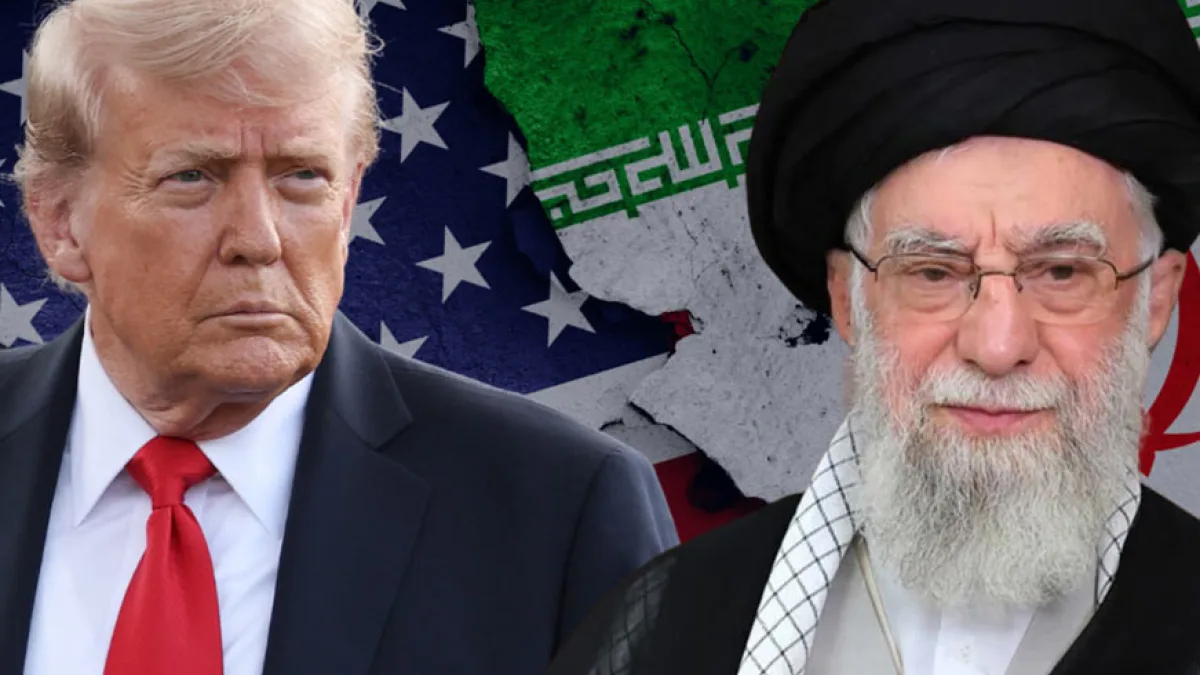
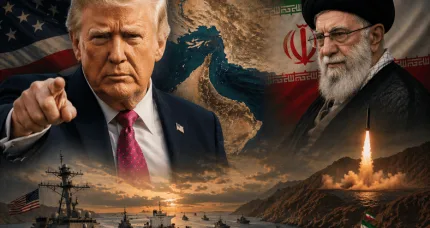
Under President Donald Trump’s leadership, Operation Epic Fury continues to deliver major blows against Iran’s military infrastructure. U.S. Central Command (CENTCOM) confirmed on March 12, 2026, that American forces have struck approximately 6,000 targets across Iran in just 13 days of precision military operations. The massive campaign highlights the overwhelming strength of the U.S. military
Under President Donald Trump’s leadership, Operation Epic Fury continues to deliver major blows against Iran’s military infrastructure. U.S. Central Command (CENTCOM) confirmed on March 12, 2026, that American forces have struck approximately 6,000 targets across Iran in just 13 days of precision military operations.
The massive campaign highlights the overwhelming strength of the U.S. military when deployed with clear strategic objectives. The strikes have focused on dismantling Iran’s ability to threaten American forces, regional allies, and vital global energy routes.
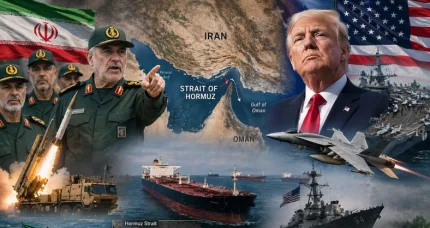
CENTCOM’s latest operational report indicates that Iran’s conventional naval capabilities have been severely degraded, with more than 90 vessels damaged or destroyed, including over 60 ships and more than 30 minelayers.
12,200+
patriots joined
Keep reading — stay on the brief
Daily MAGA briefing in your inbox. Free, unsubscribe anytime.
These minelayers had been central to Iran’s strategy of threatening international shipping through the Strait of Hormuz, one of the world’s most critical oil transit routes. Their destruction has significantly reduced Iran’s ability to disrupt global energy markets.
The operation, launched on February 28, 2026, targets key elements of Iran’s military infrastructure, including IRGC command centers, ballistic missile launch sites, drone facilities, and logistics networks that have supported proxy attacks throughout the region.
CENTCOM reports that the United States maintains complete air superiority over the operational theater. American bombers—including B-1, B-2, and B-52 aircraft—along with advanced fighters such as the F-35 and F-22, have carried out sustained precision strikes that have sharply reduced Iran’s missile and drone launch capabilities.
Iran’s repeated threats to close the Strait of Hormuz have lost credibility as its naval forces suffer heavy losses and its ability to deploy sea mines has been largely neutralized.
Supporters of the operation say it reflects the principle of peace through strength, arguing that decisive action is necessary to restore deterrence and prevent future attacks against American forces and allies.
The campaign has not been without cost. CENTCOM confirmed that four American service members were killed in a KC-135 tanker aircraft crash over Iraq, which officials say was caused by non-hostile factors. Search efforts continue for additional crew members.
Military leaders say the operation’s objective is not a prolonged conflict but the long-term degradation of Iran’s ability to threaten the region or pursue nuclear weapons capabilities.
CENTCOM Commander Adm. Brad Cooper stated that U.S. strikes have eliminated entire categories of Iranian naval assets, including the last remaining Soleimani-class vessel, leaving Iran’s surface fleet largely combat ineffective.
The campaign has also included coordination with Israeli forces, with joint operations striking additional IRGC infrastructure and military facilities.
As oil markets react to temporary disruptions in the region, supporters argue that confronting Iranian aggression now prevents far greater instability in the future.
Iran’s leadership has continued issuing threats about closing the Strait of Hormuz, but U.S. officials say ongoing strikes have significantly reduced Tehran’s ability to carry out such actions.
Supporters of the operation argue that decisive military action sends a clear signal that attacks on U.S. forces and allies will not be tolerated.
Officials say the continued degradation of Iranian military capabilities could ultimately force Tehran to reconsider its regional strategy.
Meanwhile, American forces remain engaged in ongoing operations as additional targets are identified and neutralized.
Proponents stress its success sends a broader message to global adversaries that the United States remains committed to defending its interests, maintaining freedom of navigation, and protecting its allies.
As the operation continues, many Americans are honoring the service members involved in the mission and remembering those who made the ultimate sacrifice.