President Donald Trump swapped the marble halls of the White House for the roar of an open-wheel racetrack on Sunday, waving the ceremonial green flag to officially start the first-ever IndyCar street race held in the nation’s capital. The Freedom 250 Grand Prix of Washington, D.C. sent drivers screaming past the Capitol, the National Archives,

President Donald Trump swapped the marble halls of the White House for the roar of an open-wheel racetrack on Sunday, waving the ceremonial green flag to officially start the first-ever IndyCar street race held in the nation’s capital.
The Freedom 250 Grand Prix of Washington, D.C. sent drivers screaming past the Capitol, the National Archives, and the Smithsonian museums at speeds approaching two hundred miles per hour, transforming the sleepy federal city into a roaring celebration of American engineering and ambition.
The event capped a two-day weekend of racing that began Saturday with practice runs and qualifying, and it stands as one of the signature moments in the yearlong series of celebrations marking the two hundred fiftieth anniversary of American independence.
Trump, who has made no secret of his affinity for big, bold, made-for-television spectacles since returning to office, personally signed an executive order earlier this year authorizing the race and directing federal agencies to move heaven and earth, or at least the Department of the Interior and the Department of Transportation, to make sure permits and approvals were issued as quickly as possible.
Before the green flag dropped, the president and first lady Melania Trump took an honorary lap around the one-point-seven-mile course aboard the presidential limousine known as The Beast, waving to a cheering crowd that had gathered along Pennsylvania Avenue and Independence Avenue for a rare chance to watch professional racing weave through some of the most iconic real estate in the country. Trump told reporters ahead of the ride that he planned to take it slow and enjoy the moment, a lighter aside from a president who has spent much of the year navigating heavy foreign policy and economic challenges.
Once the ceremonial lap concluded, Trump stepped up and waved the green flag with an energy that quickly became a viral moment in its own right. Fox’s broadcast caught the president smiling and waving the flag back and forth with unmistakable enthusiasm, prompting the official White House account to post the moment with the caption declaring that racing had officially begun. Social media lit up almost instantly, with supporters praising the president’s obvious excitement and critics offering their usual mix of mockery, though even some skeptics conceded the image made for great television.
The race itself, spanning one hundred forty-seven laps to reach the symbolic two hundred fifty-mile distance, saw twenty-five drivers compete, including series champion Alex Palou, who started on the pole, and Indy 500 winner Felix Rosenqvist. In the end it was American driver Kyle Kirkwood who took the checkered flag, racing for Andretti Global and delivering an emotional victory that he said left him nearly speechless. Kirkwood performed a celebratory donut spin in front of the roaring crowd before being embraced by racing legend Mario Andretti, a fitting passing of the torch moment in front of the nation’s most iconic monuments.
The path to bringing IndyCar racing to the streets of Washington was years in the making. According to IndyCar series owner Roger Penske, a longtime friend of the president who received the Presidential Medal of Freedom from Trump back in 2019, he had been trying to bring a race to the nation’s capital for two decades without success.
It took a single meeting with Trump, and roughly fifteen minutes of conversation, according to the president’s own account, to finally make it happen, a detail Trump relayed to Fox News with evident pride, joking about how quickly the deal came together once he got involved personally.
Transportation Secretary Sean Duffy played a central role in shepherding the project from concept to reality, working alongside Interior Secretary Doug Burgum, Ambassador Monica Crowley, and Washington Mayor Muriel Bowser to finalize the course layout and secure the necessary approvals. Duffy has described the effort as a genuine team undertaking, crediting Penske, Fox Sports, and the D.C. mayor’s office for coming together not to turn a profit but simply to celebrate the country’s milestone anniversary in style. The event was free to the general public, a detail administration officials emphasized repeatedly as evidence that the race was designed as a gift to everyday Americans rather than an exclusive spectacle for the wealthy and connected.
The scale of the production matched the ambition behind it. Festivities included a performance of the national anthem by tenor Christopher Macchio, a favorite of the president’s, along with a dramatic military flyover featuring a B-2 stealth bomber and the Qatar-gifted Air Force One aircraft, escorted by four fighter jets thundering over the National Mall. For an administration that has increasingly leaned into the ceremonial and symbolic dimensions of the presidency, the Freedom 250 offered an unmistakable opportunity to project American strength, innovation, and confidence on a global stage, all while the cameras rolled for a live national broadcast on Fox.
High-profile guests filled the presidential viewing box throughout the afternoon. Defense Secretary Pete Hegseth, Secretary Duffy, and House Speaker Mike Johnson were all spotted near the grid before the race began, while Penske himself joined Trump in his booth once the cars took to the track. UFC CEO and Trump friend Dana White, who helped organize the White House mixed martial arts event held back in June, was also on hand, underscoring the administration’s continued embrace of major sporting spectacles as a tool for public engagement and cultural messaging.
Not everyone in Washington welcomed the race with open arms. A local preservationist group raised concerns in the weeks leading up to the event that vibrations from the high-speed cars could damage priceless historic frescoes inside buildings along the course, a worry that organizers say was carefully studied and mitigated through engineering adjustments to the track surface and barrier placement. City officials also faced logistical headaches closing major bridges and roadways to accommodate the crowds, though organizers said the massive turnout, driven in part by the free admission, more than justified the temporary inconvenience.
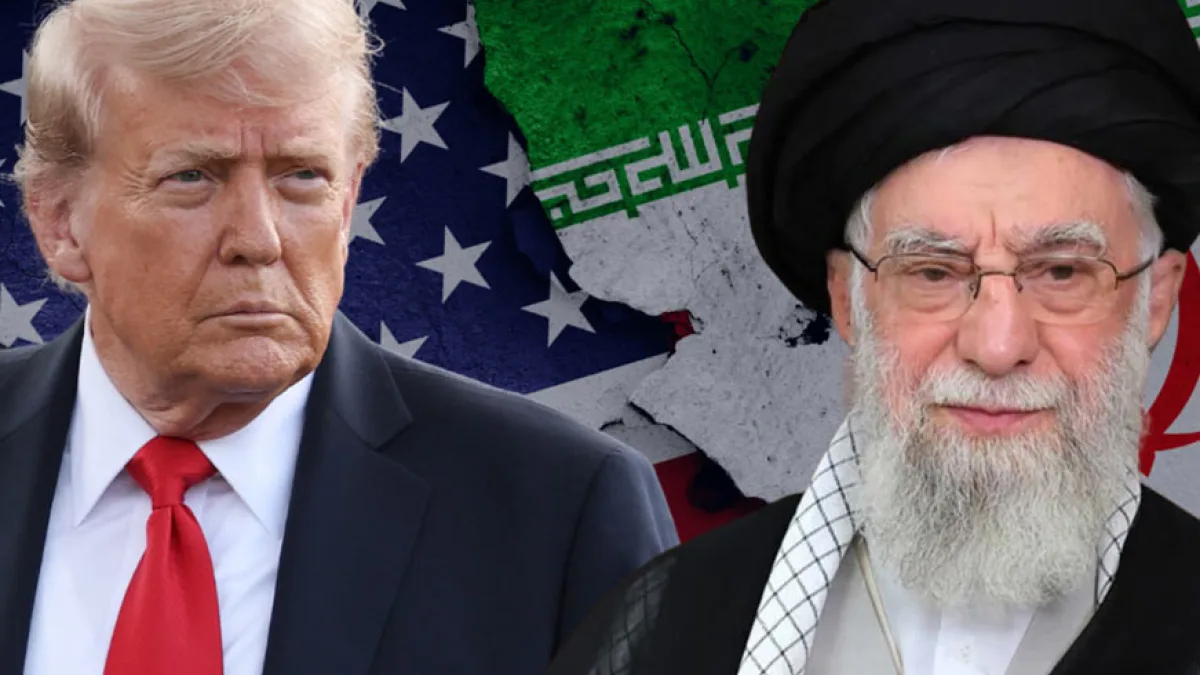
For all the celebration, the timing of the event did not escape notice from some observers who pointed out that Trump has struggled to bring a definitive close to the ongoing conflict with Iran nearly six months after it began, a war that has contributed to rising gasoline prices and stoked concerns among some Republican strategists that voters heading into November’s midterm elections may see a president more focused on ceremony than on the pocketbook issues weighing on American families.
The White House has consistently pushed back on that framing, arguing that a president can and should manage serious foreign policy challenges while still finding moments to celebrate the country’s achievements and traditions.
Indeed, the Freedom 250 fits into a broader pattern that has defined much of Trump’s second term: an eagerness to use the trappings of the presidency, big events, spectacle, and star power, to build public enthusiasm and reinforce a message of American greatness and resilience. Earlier this year the White House hosted a high-profile UFC fight on the South Lawn, another made-for-television moment that generated headlines and cemented the administration’s affinity for pairing policy with pageantry.
Racing insiders have praised the Freedom 250 as a landmark moment for American open-wheel racing, noting that bringing IndyCar to a genuine street circuit through a major American city, rather than a purpose-built track, represents exactly the kind of bold experimentation the sport has needed to expand its audience. IndyCar’s broadcast partnership with Fox has already been credited with boosting television ratings throughout the season, and Sunday’s race, carried live to a national audience, is expected to be one of the most-watched events of the entire IndyCar calendar.
Fans who attended in person described an atmosphere unlike anything typically associated with the buttoned-up federal city, with tailgate-style gatherings, engine roars echoing off government buildings, and a genuine sense of celebration replacing the usual bureaucratic hum of a Sunday in downtown Washington. Attendees were also granted access to nearby Smithsonian museums along the National Mall, normally free but closed that day to anyone without a race ticket, giving fans a welcome respite from the eighty-degree heat and an unexpected bonus to the day’s festivities.
For Kirkwood, the significance of winning an American open-wheel race through the streets of the nation’s capital was not lost on him. Speaking to Fox after climbing out of his car, he described the achievement as something he could barely put into words, adding that racing one hundred forty-seven laps through such a demanding, history-laden course left him physically and emotionally spent in the best possible way. His victory, delivered on American soil in the shadow of the Capitol, provided exactly the kind of storybook ending organizers had hoped for when they first conceived of the event.