Breaking
Secretary of State Marco Rubio told G7 foreign ministers that the war with Iran is expected to continue for another two to four weeks, offering the strongest public indication yet that the Trump administration believes the conflict will not drag on indefinitely. After meeting with allies in France, Rubio told reporters the United States expects the war to end in “weeks and not months,” a phrase that quickly became the headline takeaway from a high-stakes diplomatic meeting.
Rubio’s remarks matter because they combine military confidence with diplomatic signaling. Reports on the meeting said he told counterparts that the United States is still pursuing its objectives while remaining in indirect contact with Iran through mediators. That means the administration is trying to project control on two fronts at once: keeping battlefield pressure in place while leaving open a path toward talks if Tehran produces negotiators with authority to make decisions.
12,200+
patriots joined
Keep reading — stay on the brief
Daily MAGA briefing in your inbox. Free, unsubscribe anytime.
Details & Background
Rubio traveled to France for the G7 Foreign Affairs Ministerial as part of a broader effort to rally partner nations behind U.S. priorities on the Middle East and other global security issues. The State Department said before the trip that Rubio would meet foreign ministers to discuss shared security concerns and opportunities for cooperation, with the Middle East specifically listed among the major agenda items. That set the stage for a meeting where allies were looking for clarity on Washington’s strategy and its expected timeline.
According to reports from the meeting, Rubio said the United States remains in indirect touch with Iran rather than in direct talks. He also acknowledged that internal uncertainty in Tehran is complicating diplomacy, with questions about who is actually positioned to speak for the regime in meaningful negotiations. At the same time, the administration is considering escalatory options while also preparing for a possible negotiation track, with Vice President JD Vance expected to lead a U.S. delegation if talks move forward. President Donald Trump has also said Rubio, Steve Witkoff, and Jared Kushner are involved in diplomatic efforts.
Reactions
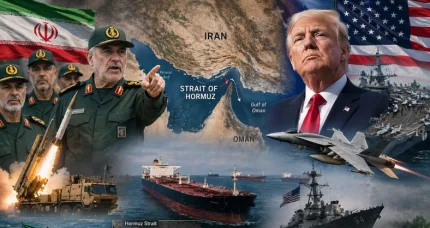
Rubio’s message to allies was designed to reassure them that the administration sees the conflict as forceful but limited, not open-ended. His public line that the war would last “weeks and not months” served as both a forecast and a political message to foreign governments worried about a prolonged regional crisis, fuel disruptions, and a wider international burden. Reports also said Rubio pressed allies on the need for support related to regional security and post-conflict maritime stability, particularly involving the Strait of Hormuz.
The broader reaction from international reporting has been that G7 partners remain uneasy about the scale of the conflict and the risks of escalation, even as Washington insists it has a clear objective and a limited timeline. That tension explains why Rubio’s words drew so much attention. Allies wanted evidence that the United States had both a war plan and an exit horizon. Rubio’s answer was simple, deliberate, and unmistakable.
Why This Matters to You
This matters because wars in the Middle East do not stay confined to the Middle East. They shape fuel prices, military deployments, terrorism risks, shipping lanes, and the broader security posture of the United States. Rubio’s statement suggests the administration believes it can sustain pressure on Iran without drifting into an endless conflict, and that is a major distinction for Americans who have watched prior administrations promise limited action only to produce years of instability.
The government’s job now is to match clarity with discipline. If the administration believes the conflict will last weeks, then it must define success, protect U.S. forces, maintain leverage, and pursue negotiations only from a position of strength. Americans deserve to know that military action is tied to concrete objectives and that diplomacy will not become an excuse for drift. Rubio’s message was meant to show that Washington sees an end point ahead. What matters next is whether that promise holds under pressure.