Karoline Leavitt Rips MS NOW Over False Report Tying Her to Trump’s Decoy Plane
White House Press Secretary Karoline Leavitt publicly rebuked MS NOW on Tuesday after the network incorrectly reported that she had been left behind on the decoy aircraft used to protect President Trump from a credible Iranian threat during his trip to Turkey earlier this summer. During a segment discussing the incident, anchor Jacob Soboroff asked New York Times reporter Maggie Haberman about who had been aboard the flight, naming “Marco Rubio, or Stephen Miller, or Karoline Leavitt.” The network then displayed an on-screen graphic identifying Leavitt as having been “left on the decoy plane” alongside Rubio, Miller, and Treasury Secretary Scott Bessent.
Haberman corrected the record immediately on air, clarifying that Leavitt was not on the trip at all. Leavitt herself responded sharply on X, writing, “More Fake News from MS NOW and the libs online.” Her objection was not simply that the network had gotten a detail wrong, but that she hadn’t been on the Turkey trip in any capacity. Later in the broadcast, Soboroff acknowledged the mistake, clarifying that the aide actually left behind on the decoy flight was White House communications director Steven Cheung, not Leavitt.
12,200+
patriots joined
Keep reading — stay on the brief
Daily MAGA briefing in your inbox. Free, unsubscribe anytime.
Details & Background
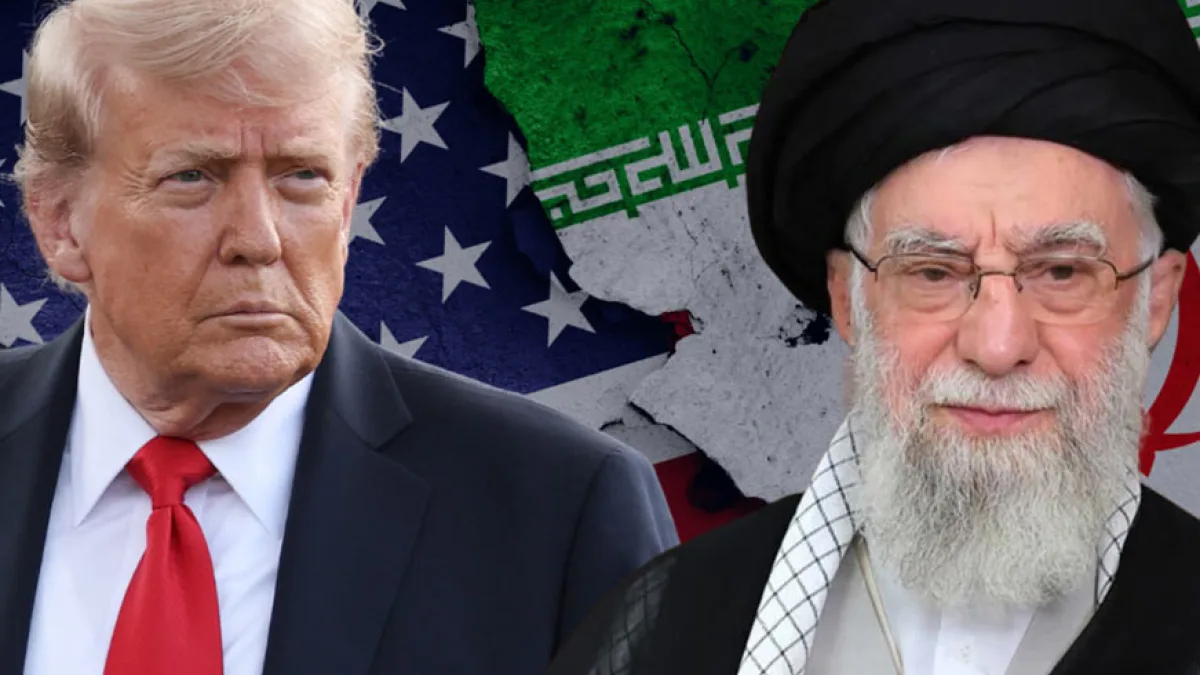
The underlying incident dates back to a NATO summit stop in Ankara, Turkey, where U.S. officials say intelligence flagged a credible, Iran-linked threat against President Trump. According to multiple reports, Trump was secretly moved off Air Force One and driven away in a catering truck before boarding a smaller military aircraft, while the original plane — carrying journalists, White House staff, and officials including Rubio, Miller, and Bessent, all of whom believed they were flying with the president to a subsequent stop in England — continued on as an unwitting decoy. News of the elaborate security maneuver did not become public until reporting surfaced in early-to-mid August, more than a month after it occurred.
The revelation drew criticism not for the security precautions themselves but for Trump’s own dismissive response to it. In a clip from Rapid Response 47 that Leavitt reposted on August 11, Trump brushed off questions about the operation, saying, “I don’t worry about anything, to be honest. Whatever it is,” and describing himself as “maybe the most consequential President.” That reaction, paired with the revelation that journalists and staff had unknowingly been placed on a decoy flight, fueled a fresh round of scrutiny just one day before Leavitt announced on August 12 that she would step down as press secretary at the end of the month to spend more time with her two young children — a decision the White House has said is entirely unrelated to the Turkey incident.
Reactions
The false linkage between Leavitt’s resignation and the decoy plane took on a life of its own online, culminating in a claim from Iran’s embassy in South Africa that Leavitt quit because, in the embassy’s words, “your boss betrays you and sends you in danger, while he escapes in a food truck.” Fact-checkers, including reporting from Forbes, confirmed the claim is false: the White House stated directly that “this was not true, she was not on the trip,” and Haberman corroborated that neither she nor Leavitt were aboard the flight in question.
Leavitt’s on-air rebuke of MS NOW was consistent with that broader pushback — a direct rejection of what she and the White House characterize as sloppy, agenda-driven reporting that inadvertently gave a hostile foreign government material to spread disinformation about the administration. MS NOW’s on-air correction, while prompt, came only after the inaccurate graphic had already aired and begun circulating on social media.
Why This Matters to You
At its core, this is a story about a real and serious threat against the President of the United States, and about whether the American press can be trusted to report on that kind of threat accurately. Intelligence officials moved Trump through an elaborate security operation specifically because the danger was considered credible enough to warrant it. When a major network garbles the basic facts of who was actually exposed to that risk, it does more than embarrass the anchor on set — it creates an opening for disinformation, in this case one that a foreign adversary’s own government was quick to exploit.
Americans should take two things from this episode. First, the threats facing this administration, including from Iran, are being treated as serious by the officials responsible for protecting the president, regardless of how casually the president himself may discuss them publicly. Second, incidents like this are a reminder that even a single inaccurate graphic on live television can ripple outward into international propaganda within days. As Leavitt prepares to exit the podium at the end of the month, her willingness to publicly correct the record underscores a broader fight the administration says it will keep waging against what it views as a media environment too quick to report first and verify later.