Breaking Vice President J.D. Vance traveled to Islamabad as the Trump administration opened a new diplomatic push aimed at stabilizing the ceasefire with Iran and preventing the wider conflict from reigniting. Multiple reports said Vance is leading the American delegation in Pakistan, joined by special envoy Steve Witkoff and Jared Kushner, with the meetings focused
Breaking
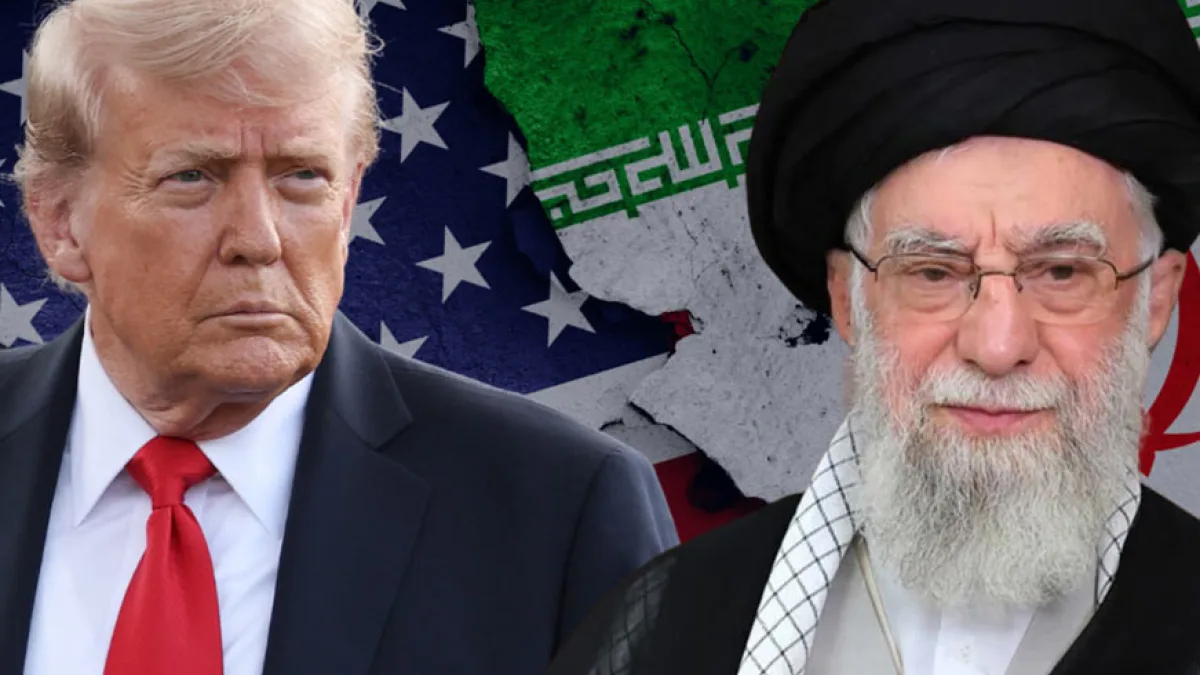
Vice President J.D. Vance traveled to Islamabad as the Trump administration opened a new diplomatic push aimed at stabilizing the ceasefire with Iran and preventing the wider conflict from reigniting. Multiple reports said Vance is leading the American delegation in Pakistan, joined by special envoy Steve Witkoff and Jared Kushner, with the meetings focused on direct talks with senior Iranian officials. Pakistan’s government received the delegation as Islamabad emerged as the key intermediary for one of the most consequential negotiations in the region in years.
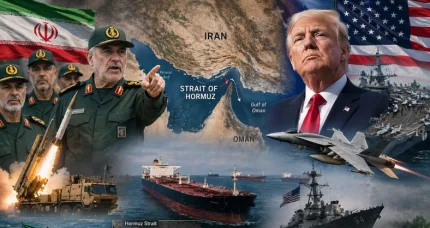
The visit carries unusual weight because it places the vice president at the center of an international negotiation tied to a still-fragile truce. Reports from AP and other outlets said the talks are intended to preserve the ceasefire after a six-week war and address larger flashpoints that include the Strait of Hormuz, sanctions pressure, and Iran’s broader demands tied to regional fighting. That means Vance’s trip is not a ceremonial foreign stop. It is a front-line diplomatic assignment tied directly to the administration’s effort to keep the crisis from spinning back into open conflict.
12,200+
patriots joined
Keep reading — stay on the brief
Daily MAGA briefing in your inbox. Free, unsubscribe anytime.
Details & Background
Pakistan’s role in the talks has become a major part of the story. Separate reporting said both the U.S. and Iranian delegations met with Pakistani Prime Minister Shehbaz Sharif ahead of negotiations, underscoring Islamabad’s position as a rare venue acceptable to both sides. That diplomatic posture matters because the current standoff is not just about one ceasefire line or one military theater. It also involves shipping access through the Strait of Hormuz, questions about Iranian nuclear activity, and a wider effort to prevent related fighting in Lebanon from derailing broader negotiations.
The administration has signaled that it wants a durable outcome, but the path remains complicated. AP reported that Vance warned Iran not to “play” the United States before departing, while other coverage described Tehran as entering the talks with demands involving blocked assets and conditions tied to the regional ceasefire framework. President Donald Trump has also publicly said the U.S. expects meaningful progress and has warned that military pressure could return if diplomacy collapses. Together, those signals show that the Pakistan meetings are taking place in a narrow space between de-escalation and renewed confrontation.
Reactions
The strongest public message before the talks came from Vance himself. According to AP, he warned Iran not to “play us” as he headed to Pakistan, making clear that Washington views the meetings as serious negotiations rather than an open-ended process. That language matched the broader tone coming from the White House, where the administration has framed the talks as an opportunity for Iran to show whether it is willing to negotiate in good faith under heavy pressure.
President Trump, meanwhile, publicly backed Vance’s role and rejected the idea that the vice president had anything to prove. Reporting on Trump’s comments said he praised Vance while outlining U.S. goals that include protecting shipping routes, restricting Iran’s nuclear progress, and locking in a broader peace arrangement. Pakistani officials also welcomed the talks, presenting their country as a facilitator for direct engagement at a moment when other diplomatic tracks appeared too politically loaded or too unstable to serve as an acceptable host. That combination of support from Washington and coordination from Islamabad has made the visit one of the most closely watched diplomatic events on the international stage.
Why This Matters to You
For American readers, this trip matters because it shows how quickly foreign policy crises can shape daily life at home. Any instability tied to Iran and the Strait of Hormuz can ripple into energy prices, inflation pressure, and wider security concerns. AP reported that the conflict had already contributed to economic strain, including rising consumer prices tied to disruption fears, which means diplomacy in Pakistan is not disconnected from kitchen-table concerns back in the United States. A failed negotiation could mean more market shocks, more military risk, and a longer period of uncertainty.
It also matters politically because the administration is now being judged not only on strength, but on whether strength can produce a workable outcome. Sending the vice president to Pakistan signals that the White House wants this handled at the highest level and wants the resulting deal, if one emerges, to carry the full weight of the administration. The government’s task now is to secure terms that protect American interests without allowing the ceasefire to become a pause before another round of escalation. The talks in Pakistan may determine whether this moment becomes the start of stabilization or merely the calm before another crisis.