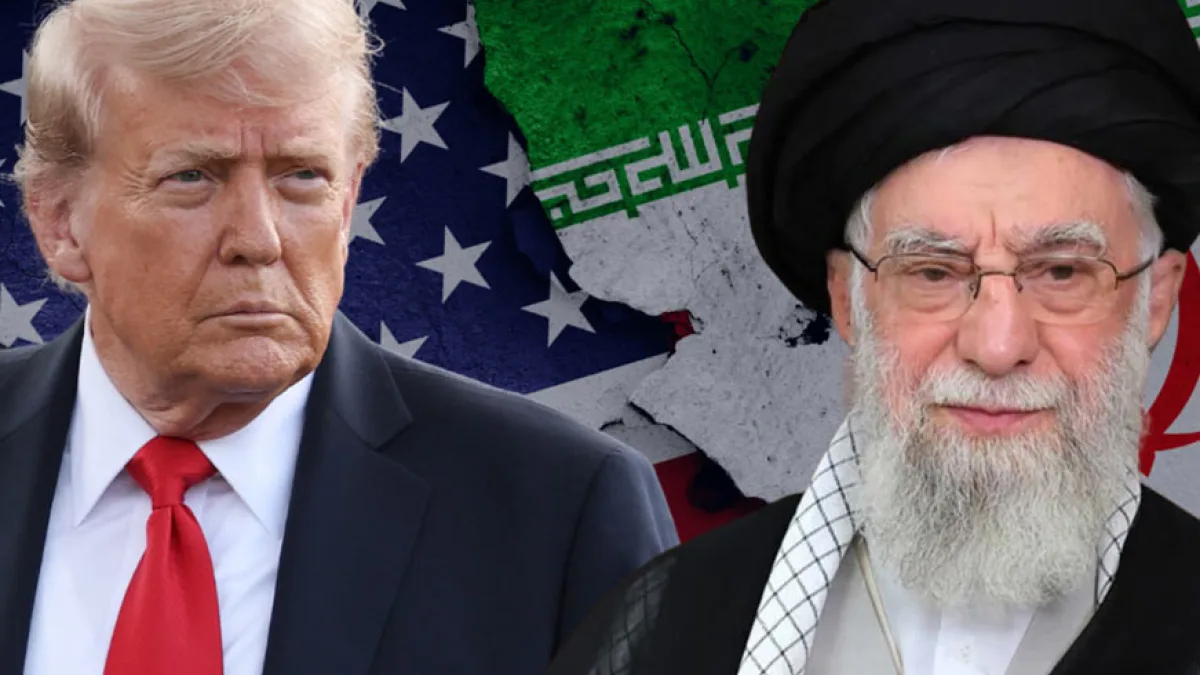
Breaking Iranian President Masoud Pezeshkian has reaffirmed Tehran’s support for Hamas while President Donald Trump works to implement an agreement designed to disarm the terrorist group and remove it from power in Gaza. Pezeshkian reportedly spoke by telephone with newly selected Hamas political bureau chief Khalil al-Hayya and congratulated him on assuming the leadership position.
Breaking
Iranian President Masoud Pezeshkian has reaffirmed Tehran’s support for Hamas while President Donald Trump works to implement an agreement designed to disarm the terrorist group and remove it from power in Gaza. Pezeshkian reportedly spoke by telephone with newly selected Hamas political bureau chief Khalil al-Hayya and congratulated him on assuming the leadership position.
According to Hamas’ account of the conversation, Pezeshkian promised that Iran would continue supporting the Palestinian cause and the organization’s activities. “We are with you, and we support you,” the Iranian president reportedly told al-Hayya. Iran’s mission to the United Nations had not provided independent confirmation of Hamas’ description of the call when the original report was published.
12,200+
patriots joined
Keep reading — stay on the brief
Daily MAGA briefing in your inbox. Free, unsubscribe anytime.
Details & Background
The reported pledge comes as Trump promotes what he has described as an agreement for the complete disarmament of Hamas and other armed groups operating in Gaza. The administration’s broader framework calls for Hamas to surrender control, relinquish its weapons and allow a postwar governing structure to oversee reconstruction and security.
Trump’s Board of Peace is central to that effort. The White House established the body to support governance, reconstruction, stability and accountability in Gaza. Trump chairs the board, while its leadership has included Secretary of State Marco Rubio, special envoy Steve Witkoff, Jared Kushner and former British Prime Minister Tony Blair. The administration has presented the initiative as part of a larger strategy to replace recurring warfare with enforceable security arrangements and economic rebuilding.
Reactions
Board representatives have been pressing both Hamas and Israel to comply with the emerging roadmap. Officials met with Israeli Prime Minister Benjamin Netanyahu and urged Israel to limit attacks in Gaza while the disarmament process moves forward. Israel, however, has maintained that it will continue acting against threats to its civilians and military personnel.
Hamas has also stopped short of publicly accepting unconditional disarmament. The organization has described a phased process in which weapons could be stored only after Israeli military action ends, forces withdraw and additional aid enters Gaza. Hamas has avoided language indicating that its arsenal would be permanently surrendered to Israel or an international authority. A Board of Peace official said the objective remains removing Hamas from power and having it hand over its weapons.
Iran’s involvement further complicates that mission. Analysts have described al-Hayya as closely aligned with Tehran and committed to preserving Hamas’ organizational and military structure. His elevation signaled that the group’s surviving leadership may prioritize internal unity and continued armed influence rather than a complete break with Iran.
Why This Matters to You
Hamas’ weapons are not merely a regional political issue. The terrorist group’s military capabilities affect the security of Israel, American forces and U.S. allies throughout the Middle East. Iran has used relationships with armed organizations to expand its influence while creating distance between Tehran and attacks carried out by its partners.
A genuine disarmament agreement could prevent Hamas from using reconstruction money, humanitarian infrastructure and periods of calm to rebuild its arsenal. A weak agreement could produce the opposite result: international funding might flow into Gaza while Hamas hides weapons, reorganizes its command structure and waits for another opportunity to launch violence.
The Trump administration therefore faces a difficult enforcement challenge. Diplomatic language will not be enough if Iran continues providing political, financial or military support. The United States government should require verifiable weapons transfers, independent inspections and clear consequences for violations. Sanctions and other pressure should target the networks that move money, technology and weapons from Iran to terrorist organizations.
Washington must also insist that reconstruction assistance reach civilians without strengthening Hamas. Oversight mechanisms will be needed to track funds, monitor construction materials and prevent aid organizations from being exploited by armed factions. At the same time, Israel will require credible security guarantees before accepting restrictions on operations against immediate threats.
Trump’s initiative offers the possibility of replacing an endless cycle of war with a durable structure built around disarmament and accountable governance. Iran’s renewed support for Hamas demonstrates why enforcement will determine whether that possibility becomes reality. The outcome will reveal whether Tehran can preserve its proxy network despite American pressure—or whether a terrorist organization that brought devastation to the region will finally lose the weapons and power that allowed it to survive.