Nearly two years after Thomas Matthew Crooks climbed to the roof of the American Glass Research building in Butler, Pennsylvania and opened fire at President Donald Trump’s campaign rally, wounding the President, killing retired firefighter Corey Comperatore, and wounding two other attendees, the American people are still being drip-fed the truth about what happened that
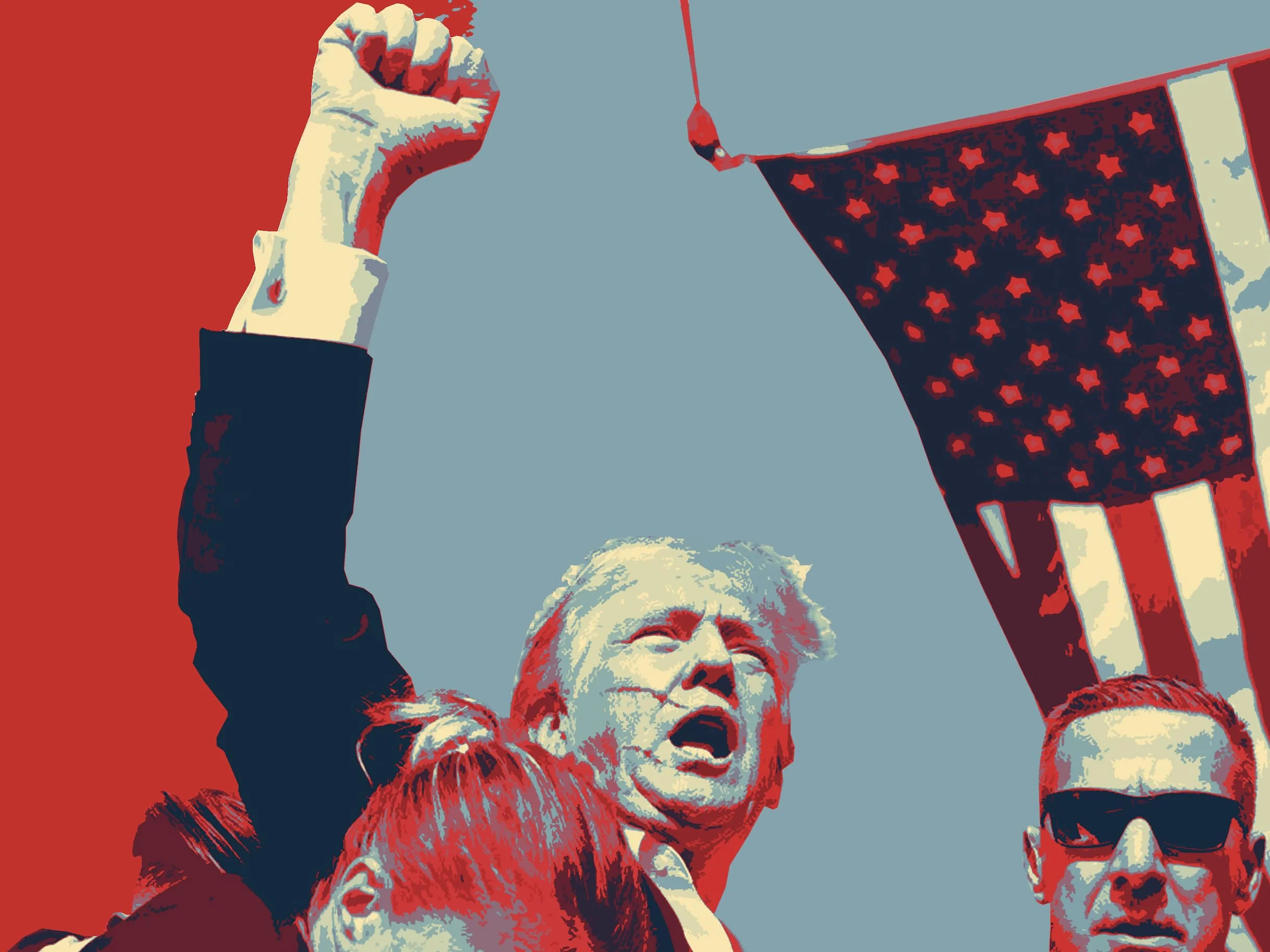
Nearly two years after Thomas Matthew Crooks climbed to the roof of the American Glass Research building in Butler, Pennsylvania and opened fire at President Donald Trump’s campaign rally, wounding the President, killing retired firefighter Corey Comperatore, and wounding two other attendees, the American people are still being drip-fed the truth about what happened that day and why.
The latest revelation is both disturbing and damning: newly released FBI records obtained by government watchdog Judicial Watch through a Freedom of Information Act lawsuit confirm that a Butler County Sheriff’s deputy exchanged two emails with Thomas Matthew Crooks prior to the July 13, 2024 assassination attempt.
The records, 48 heavily redacted pages pried from the FBI through a federal court order, were released by Judicial Watch on June 5, 2026.
They include a July 17, 2024 FBI electronic communication summarizing interviews conducted with five deputies from the Butler County Sheriff’s Office on July 16, 2024, just three days after the shooting.
Among those interviewed was a female deputy who stated that she had checked her emails and records and found two communications from Crooks before the attack.
The nature and content of those emails remains concealed behind heavy government redaction, raising the obvious and urgent question: what was in them, and why are they still hidden?
The deputy told FBI investigators that she did not initially recognize Crooks when his identity became public after the shooting.
She also stated she had no personal interaction with him.
Those two facts, no personal encounter but documented digital communication, are precisely the kind of detail that demands full transparency.
The American people are entitled to know whether law enforcement at any level had advance contact with the man who came within inches of murdering a sitting United States president, and whether any opportunity to prevent the attack was missed.
Judicial Watch President Tom Fitton was direct about the stakes of this disclosure.
“The American people deserve full transparency about Thomas Crooks, his contacts, and why key details about this case remain hidden nearly a year later,” Fitton said in a statement accompanying the release.
His organization filed the original FOIA request in July 2024, seeking investigative files, interview summaries, reports, communications, and other records related to the assassination attempt.
The FBI’s production of these documents occurred only after Judicial Watch pursued legal action to compel federal agencies to respond.
It is another reminder that government transparency in this country is something citizens must sue for, not something agencies provide voluntarily.
The same set of documents contains an FD-302 interview summary with a medic from the Beaver County Emergency Services Unit who was present on the roof of the AGR building after the shooting.
The medic described arriving at the Butler County fairgrounds around 9:00 a.m. on July 13 and providing medical support throughout the day.
After the shooting, she responded to the AGR building and ascended to the roof.
She arrived at approximately 6:23 p.m. and pronounced Crooks dead at 6:25 p.m. after checking for a pulse.
Her account describes Crooks as found face-down and handcuffed on the roof, with several SWAT officers from Butler County and Washington County present.
A detail buried in the medic’s account has drawn particular attention from investigators and commentators.
A Washington County SWAT officer searched the shooter’s right pocket and found a cell phone and a gray remote device with an antenna and numerous buttons.
Judicial Watch’s release specifically flagged this discovery.
The nature and purpose of that gray remote device, never publicly explained, is one of several unanswered questions that continue to haunt the investigation.
What was it for?
Who provided it?
What did its antenna transmit or receive?
These documents represent merely the latest chapter in Judicial Watch’s sustained campaign to pry information about the Butler shooting from a federal government that has been systematically reluctant to release it.
In February 2026, a separate Judicial Watch lawsuit forced the release of the first FBI records about the assassination attempt, revealing that law enforcement personnel had broadcast radio warnings about an “unknown male acting suspiciously” prior to the shooting.
That finding directly contradicted earlier narratives that Crooks had gone undetected until he opened fire.
In May 2026, the same litigation produced an audio recording of a 911 call placed by the father of Thomas Crooks on the day of the shooting.
The pattern of serial disclosure forced by litigation rather than voluntary transparency is itself a story.
Two years after the most significant assassination attempt on an American president since Ronald Reagan, the federal government has not produced a comprehensive, unredacted public accounting of what happened.
Congressional investigations have yielded partial answers.
Independent watchdog litigation has yielded more.
But the full picture, including the complete contents of those two emails between a Butler County sheriff’s deputy and the man who nearly murdered Donald Trump, remains behind a wall of redaction that the FBI has shown no willingness to lower voluntarily.
The political context of this concealment is unavoidable.
The assassination attempt took place in July 2024 under a Biden administration Justice Department and FBI leadership that had previously treated Trump as a political adversary and that had every institutional reason to manage the narrative around an event that reflected catastrophically on the federal government’s competence.
The emails between Crooks and the sheriff’s deputy were not publicly disclosed during the remainder of Biden’s term.
That choice raises legitimate questions about who made that decision and why.
The Butler County Sheriff’s Office has disputed some of the characterizations of the email disclosure, with Sheriff Michael Slupe pushing back on reports that named a specific deputy in connection with the communications.
The controversy over how to read the redacted document, whether the deputy’s emails were with a law enforcement figure or with someone else in her life, does not erase the core documented fact.
Thomas Matthew Crooks had some form of email communication with a person associated with the Butler County Sheriff’s Office, and the contents of those emails remain hidden.
That is not exoneration.
That is unresolved.
The American people know that radio warnings were broadcast before the shooting and apparently did not stop Crooks from reaching the roof.
They know a police canine had a hit on the building.
They know a medic was told to evacuate the roof after the shooting.
They know a gray remote device with an antenna was found in the shooter’s pocket.
They know two emails were exchanged between Crooks and a sheriff’s deputy.
What they do not know, and what the Biden-era FBI and Justice Department worked to conceal through redaction and delayed production, is how all of these pieces connect.
Congress has a responsibility to demand the full, unredacted record.
The Trump administration’s Justice Department should direct the FBI to produce every document related to the Butler assassination attempt without the massive redactions that have turned the record into Swiss cheese.
The American public, and President Trump himself, deserve nothing less than complete transparency about an event that could have changed the course of American history.
Judicial Watch has done the heavy lifting of forcing disclosure through litigation.
Now the government needs to do its part and release the full truth.
Two years on, the questions multiply and the answers remain elusive.
What was in those emails?
What was the gray remote device?
Why did it take federal litigation to force the release of interview summaries from three days after the shooting?
And why, to this day, do the most critical details remain blacked out?
The American people are owed answers.