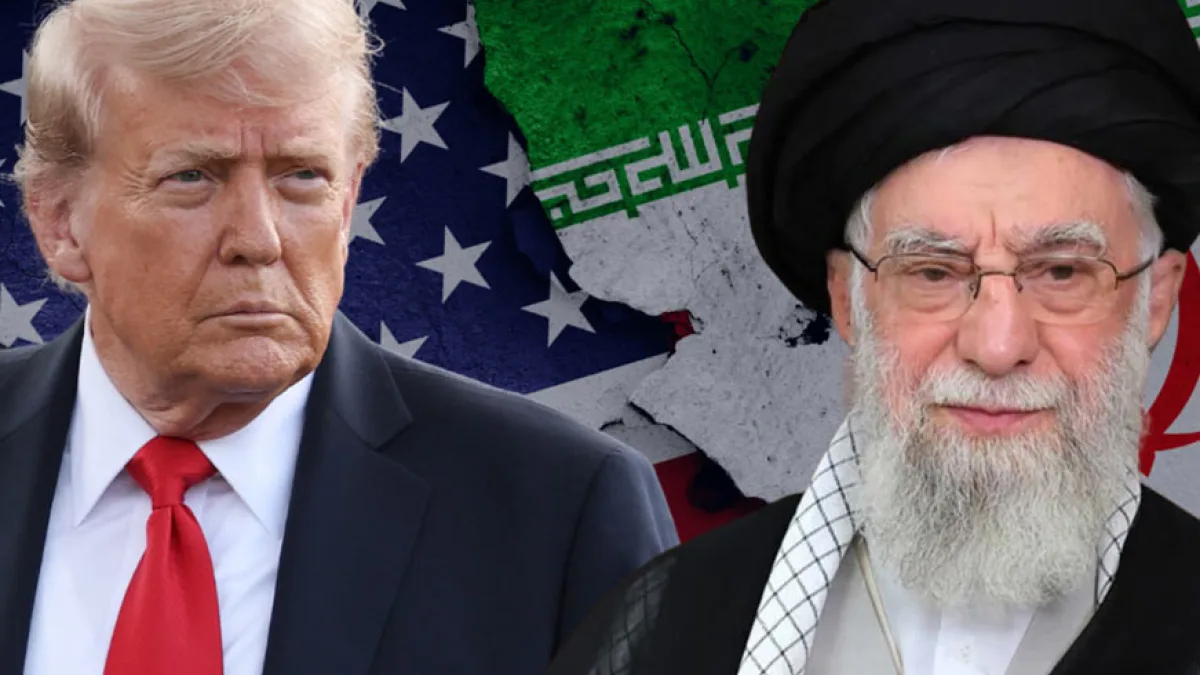
Breaking Sen. John Fetterman delivered one of the most striking rebukes yet from inside the Democratic Party when he said some Democrats appear to be “almost rooting for Iran.” The Pennsylvania senator made the remark while criticizing his party’s response to the conflict involving Tehran, arguing that the reaction from many on the left has
Breaking
Sen. John Fetterman delivered one of the most striking rebukes yet from inside the Democratic Party when he said some Democrats appear to be “almost rooting for Iran.” The Pennsylvania senator made the remark while criticizing his party’s response to the conflict involving Tehran, arguing that the reaction from many on the left has been “very disappointing.” Rather than simply debating tactics or constitutional limits, Fetterman suggested that some Democrats have become so reflexively opposed to President Donald Trump that they are losing sight of the danger Iran represents.
Fetterman’s comments stood out because they did not come from a Republican critic or a conservative commentator. They came from a sitting Democratic senator who has increasingly separated himself from his party on issues involving Israel, national security, and the use of American force abroad. In the interview, he defended the administration’s military posture and argued that Iran’s nuclear ambitions are not some abstract concern, but a long-running threat that presidents in both parties have had to confront. That framing placed him in direct contrast with many Democrats who have centered their criticism on Trump rather than on the regime in Tehran.
12,200+
patriots joined
Keep reading — stay on the brief
Daily MAGA briefing in your inbox. Free, unsubscribe anytime.
Details & Background
In explaining his support for the administration, Fetterman pointed to the legal framework surrounding Operation Epic Fury. He said the Trump administration complied with the War Powers Act by notifying Congress within 48 hours and remaining inside the 60-day period permitted under the law, with the possibility of a 30-day extension. That argument matters because much of the Democratic criticism has focused on whether the White House acted properly in expanding military action tied to Iran. Fetterman’s position was clear: he believes the administration followed the required process and acted within presidential authority.
He also broadened the issue beyond Washington procedure and into global consequences. Fetterman warned that Iran’s threat is tied to much more than the immediate battlefield. He referenced the importance of oil supply routes and said a disruption in the Strait of Hormuz could affect countries around the world. In his view, this is not a conflict that can be dismissed as somebody else’s problem. He argued that international allies should do more, and he expressed disappointment not only with fellow Democrats but also with NATO partners he believes have failed to show adequate support. Fetterman also reiterated his backing for Israel, saying the country deserves to live in security and warning against the consequences of a nuclear-armed Iran.
Reactions
The line that drew the most attention was Fetterman’s charge that “It seems like people are almost rooting for Iran. It’s crazy.” That was not a carefully softened Washington talking point. It was a blunt indictment of the direction he believes part of his party is taking. He tied that concern to broader rhetoric on the left that, in his view, has grown increasingly detached from the realities of terrorism, regional instability, and the threat facing Israel. He even pointed to past remarks attributed to Maine Senate candidate Graham Platner, citing a years-old online post praising a Hamas attack on Israeli soldiers as the kind of rhetoric he finds deeply alarming.
Fetterman’s break with Democrats has also shown up in his voting record. According to the Newsmax report, he has been the only Senate Democrat to oppose a war powers resolution aimed at limiting continued U.S. military involvement in Iran, and he also voted against recent measures to block certain arms sales to Israel. That places him in a small and politically uncomfortable lane: too hawkish for much of the modern Democratic coalition, but increasingly aligned with voters who believe American leaders should speak plainly about enemies abroad. Meanwhile, Trump underscored the seriousness of the moment by saying the expiration of the ceasefire with Iran would mean “lots of bombs start going off,” making clear the administration is prepared to escalate pressure if Tehran does not come to terms over its nuclear program.
Why This Matters to You
For readers watching the country’s politics and security challenges collide, Fetterman’s remarks reveal something larger than one senator’s frustration. They show how deeply partisan instinct now shapes foreign policy debate in Washington. If a visible Democratic senator believes parts of his own party are responding to Iran primarily through the lens of opposition to Trump, that suggests a dangerous inversion of priorities. The central question should be whether Iran poses a genuine threat to American interests, global stability, and Israel’s survival. Fetterman is warning that for some in his party, the first instinct is now to oppose Trump and work backward from there.
That matters to families at home because foreign threats do not stay overseas for long. Energy prices, military readiness, alliance credibility, and the risk of wider war all affect daily American life. The government’s role is not to posture for partisan points but to identify threats, act within the law, and make clear to allies and adversaries alike that the United States will not look away from a hostile regime pursuing greater power. Fetterman’s warning lands with force because it comes from inside the Democratic Party itself. It suggests that the fight over Iran is also becoming a fight over whether America’s political class can still recognize an enemy when it sees one.