
Breaking
Sen. John Fetterman of Pennsylvania publicly rebuked Democratic leaders for attacking the Safeguarding American Voter Eligibility (SAVE) Act with inflammatory rhetoric, as a new round of partisan conflict unfolds over voter identification and citizenship verification. The dispute has intensified as Senate Democrats signal strong resistance to the bill, even while some lawmakers acknowledge voter ID requirements remain broadly popular with the public.
Fetterman’s comments placed him at odds with Senate Minority Leader Chuck Schumer and much of the Democratic caucus. Schumer has characterized the SAVE Act as “Jim Crow 2.0,” arguing it would suppress voters. Fetterman rejected that framing in a televised interview, calling it over-the-top and historically inappropriate. “I would never refer to the SAVE Act as like Jim Crow 2.0 or some kind of mass conspiracy,” he said, adding that he does not “call people names” or imply something “gross” tied to the painful history of Jim Crow.
Details & Background
The SAVE Act, as described in the report, would require voters to present photo identification before casting ballots, require proof of citizenship in person when registering to vote, and mandate that states remove non-citizens from voter rolls. Supporters present the bill as election integrity legislation aimed at ensuring only eligible citizens participate in federal elections. Opponents argue it could create barriers for certain voters and complicate registration processes.
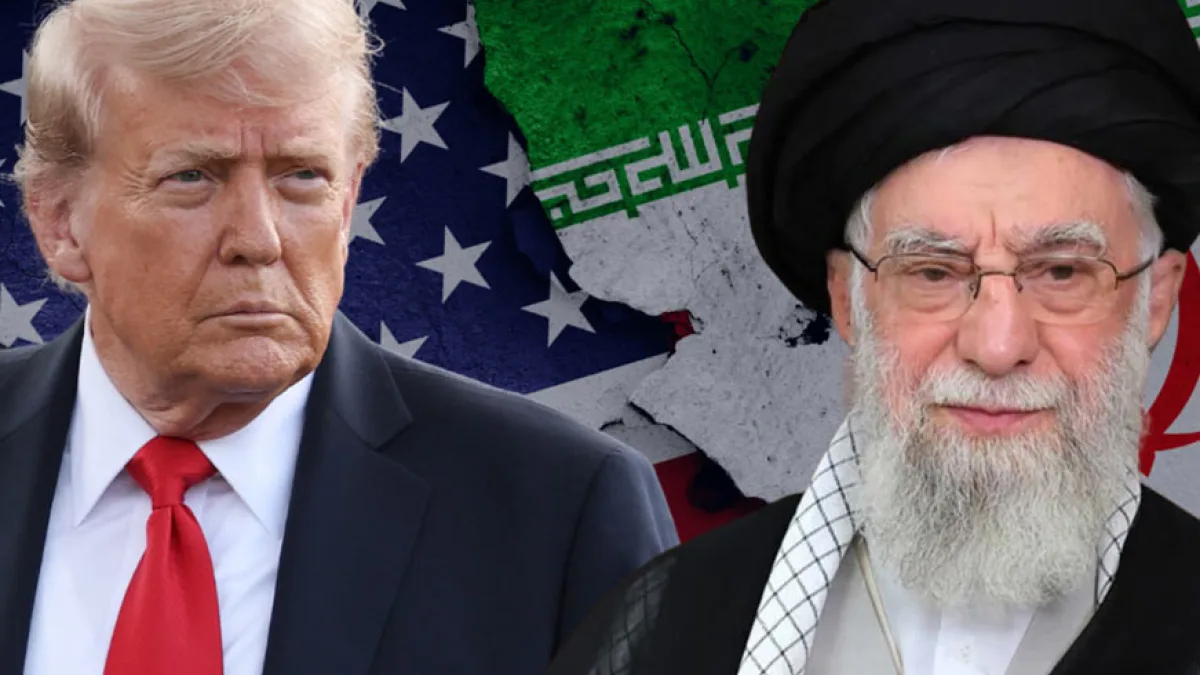
Iran says it will declare an exclusion zone in the Strait of Hormuz and punish ships that pass through. Another empty threat — they cannot enforce it. Is Iran all talk on the Strait of Hormuz?
Keep reading — stay on the brief
Daily MAGA briefing in your inbox. Free, unsubscribe anytime.
Inside the Senate, the bill is also caught up in the reality of procedure. Even if a simple majority favors moving forward, Senate rules allow the minority to block legislation through the filibuster unless supporters can reach the higher threshold needed to end debate. The coverage notes that Democrats have effectively guaranteed the bill’s failure through that tool. Fetterman has also signaled he is not eager to eliminate the filibuster — a key point because the path to passage may hinge less on public messaging and more on whether either party is willing to change Senate rules.
Reactions
Fetterman’s pushback was notable not only because it challenged Democratic leadership, but because it framed the issue in plain terms that contrast with the party’s national messaging. He emphasized that voter ID is widely accepted and argued the debate should be conducted without extreme labels. “But that’s part of the debate that we were having here in the Senate right now,” he said, describing the atmosphere around the bill while distancing himself from the harshest attacks on it.
He also pointed to polling cited in the report, saying “84% of Americans have no problem with presenting IDs to vote.” From his perspective, that reality makes it difficult to portray voter ID as radical. “So it’s not like a radical idea,” he said, noting that many states already have basic ID requirements. At the same time, he stopped short of declaring full support for the bill outright, declining to say definitively how he would vote — a caution that reflects how politically charged the issue remains for Democrats who fear backlash from their base.
Why This Matters to You
The fight over the SAVE Act lands squarely in the larger national argument about citizenship, borders, and whether government systems are enforcing basic rules consistently. Voter eligibility is not an abstract policy question; it is about whether Americans believe their voices are protected and whether election outcomes are trusted. When senior Democrats label voter ID measures as “Jim Crow 2.0,” it raises the temperature and can deepen distrust — especially if voters believe the messaging is designed to shut down debate rather than address practical concerns.
For the federal government, the responsibility is twofold: enforce election laws in a way that is secure and fair, and communicate policy disagreements without distorting history or dismissing legitimate questions from the public. Fetterman’s criticism signals that even within the Democratic Party, there is concern that the current approach is politically risky and substantively weak. The stakes are immediate: if Washington cannot build consensus around basic identity and citizenship standards while the country grapples with ongoing border pressures, the next phase of the election integrity debate will be shaped less by persuasion and more by hardened division — and Americans will be left to wonder whether leaders are protecting the system or protecting themselves.