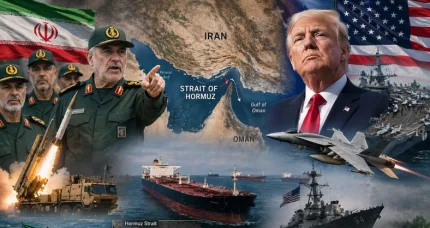
On April 7, 2026, President Donald Trump issued a stark ultimatum to Iran: reopen the Strait of Hormuz for safe, complete, and immediate passage of ships or face massive U.S. military strikes targeting the country’s critical infrastructure. Trump’s deadline was set for 8:00 p.m. Eastern Time on Tuesday, April 7. In the hours leading up
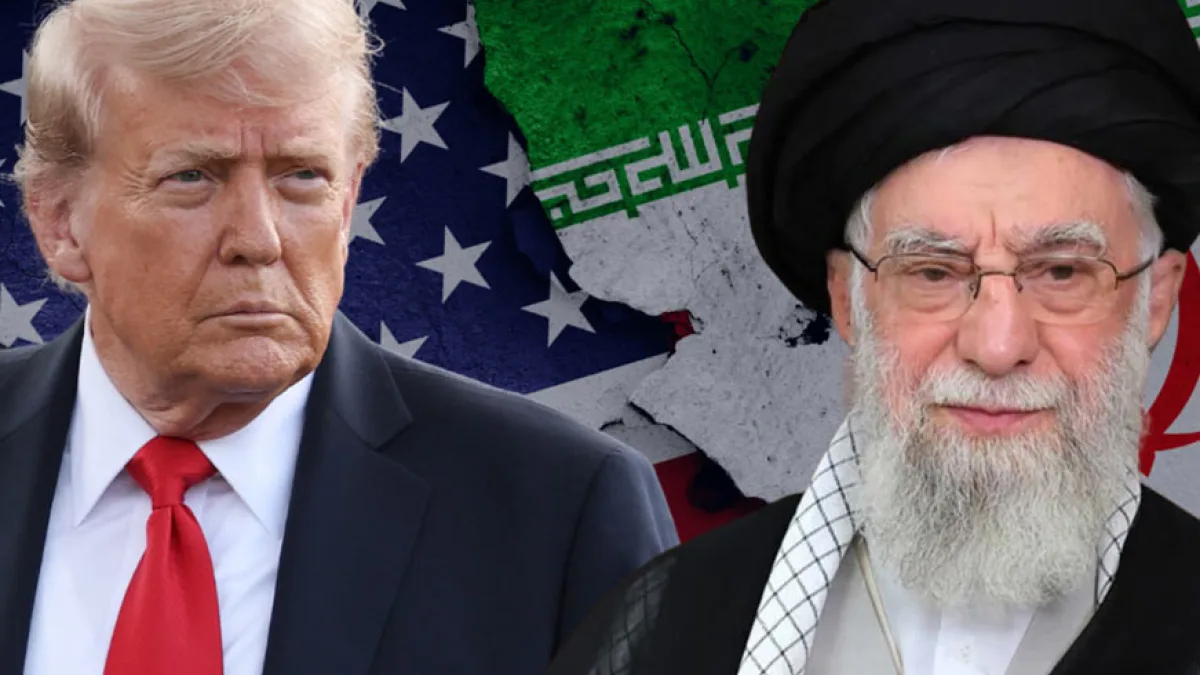
On April 7, 2026, President Donald Trump issued a stark ultimatum to Iran: reopen the Strait of Hormuz for safe, complete, and immediate passage of ships or face massive U.S. military strikes targeting the country’s critical infrastructure.
Trump’s deadline was set for 8:00 p.m. Eastern Time on Tuesday, April 7.
In the hours leading up to the deadline, Trump escalated his rhetoric dramatically. He warned on Truth Social that “a whole civilization will die tonight, never to be brought back again” if no deal were reached.
12,200+
patriots joined
Keep reading — stay on the brief
Daily MAGA briefing in your inbox. Free, unsubscribe anytime.
Trump had previously outlined a rapid 4-hour attack plan that would destroy “every bridge” in Iran and knock out “every power plant,” leaving them “burning, exploding, and never to be used again.”
He described the potential operation as “complete demolition” and suggested Iran could be “taken out in one night.”
The context involved ongoing conflict, with Iran having restricted or closed access through the Strait of Hormuz—a critical chokepoint carrying about one-fifth of the global oil supply—amid broader regional tensions including U.S., Israeli, and Iranian actions.
Markets were on edge, with oil prices elevated ahead of the deadline due to fears of disruption and potential escalation.
Just 90 minutes before the 8 p.m. ET deadline, Trump announced he was suspending planned U.S. attacks for two weeks.
The decision followed requests from Pakistani Prime Minister Shehbaz Sharif and Field Marshal Asim Munir, who urged a pause for diplomacy.
Trump stated that Iran had provided a 10-point proposal that he viewed as a “workable basis” for further negotiations.
The ceasefire terms require Iran to agree to the “COMPLETE, IMMEDIATE, and SAFE OPENING” of the Strait of Hormuz in exchange for the U.S. holding off on bombing and attacks for two weeks.
Iranian officials, including Foreign Minister Araghchi, confirmed acceptance of the temporary arrangement, allowing safe passage through the strait during the ceasefire period in coordination with Iranian forces.
Both sides have claimed aspects of victory: the U.S. achieved a pause in hostilities and movement toward reopening the strait, while Iran avoided immediate strikes and gained a window for talks.
Trump later praised the development on Truth Social, calling it a “big day for World Peace!” and hinting at a potential “Golden Age for the Middle East.”
Oil prices reacted sharply downward after the announcement, with WTI and Brent crude dropping more than 15% as fears of prolonged disruption eased.
U.S. stock futures jumped significantly in response to the de-escalation.
The truce remains fragile. Israel has expressed reservations, with Prime Minister Benjamin Netanyahu stating the deal does not fully address actions in Lebanon, raising concerns about potential sabotage or renewed fighting.
Critics, including some former officials involved in past Iran nuclear talks, described the framework as a potentially “catastrophically bad starting point” due to concessions on sanctions relief and enrichment issues that may emerge in broader talks.
International reactions were mixed. Pope Leo XIV called Trump’s earlier “civilization will die” threat “truly unacceptable.”
As of April 8, 2026 (the morning after the deadline), no large-scale U.S. strikes had occurred. Negotiations are expected to continue, mediated in part by Pakistan.
Trump has framed the outcome as consistent with his “Art of the Deal” approach—applying maximum pressure to force concessions without immediate full-scale war.
Iranian state media and officials have portrayed the pause as a success in averting aggression while maintaining core positions.
The two-week window is intended to allow for deeper talks aimed at a more permanent resolution, including potential broader peace elements across the region.
Significant uncertainties remain. Analysts note that the gap between U.S. and Iranian demands is still wide, and any violation—such as renewed closure of the strait or attacks involving proxies—could quickly reignite hostilities.