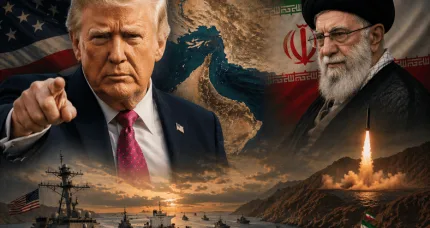
Approximately 2,500 Marines from the 31st Marine Expeditionary Unit, supported by an equal number of sailors aboard the USS Tripoli Amphibious Ready Group, have arrived in the U.S. Central Command area of operations. This strategic deployment underscores the Trump administration’s unwavering commitment to protecting U.S. interests and allies against escalating threats from Iran and its
Approximately 2,500 Marines from the 31st Marine Expeditionary Unit, supported by an equal number of sailors aboard the USS Tripoli Amphibious Ready Group, have arrived in the U.S. Central Command area of operations. This strategic deployment underscores the Trump administration’s unwavering commitment to protecting U.S. interests and allies against escalating threats from Iran and its terrorist proxies.
The arrival of these forces on March 28, 2026, comes at a critical juncture as Iranian aggression continues to destabilize the region. For years, weak policies under the previous administration emboldened Tehran, allowing its nuclear ambitions and support for groups like the Houthis to flourish unchecked. President Trump’s decision to reinforce the Middle East sends a powerful deterrent signal that America will no longer tolerate such provocations.
This latest move has pushed total U.S. troop levels in the region above 50,000, providing essential capabilities for maritime security and rapid response. Conservative leaders have long argued that peace through strength is the only language radical regimes understand, and this deployment embodies that principle.
12,200+
patriots joined
Keep reading — stay on the brief
Daily MAGA briefing in your inbox. Free, unsubscribe anytime.
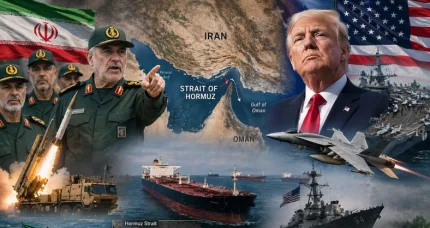
The USS Tripoli brings with it not only Marines trained for amphibious operations but also vital aircraft and logistical assets. These forces stand ready to safeguard critical shipping lanes in the Strait of Hormuz, where Iranian-backed disruptions have already threatened global energy supplies and American economic security.
Critics on the left may wring their hands about “escalation,” but history shows that hesitation invites aggression. The Biden-Harris era’s appeasement and flawed nuclear deal only emboldened the mullahs in Tehran. Rebuilding deterrence under Republican leadership is essential to preventing wider conflict.
Pentagon officials emphasize that these Marines and sailors offer flexible options short of a full ground war. This measured yet firm approach aligns with conservative values of prudent strength rather than reckless nation-building or naive diplomacy.
The 31st MEU’s arrival complements other ongoing deployments, including follow-on forces from the 11th MEU aboard the USS Boxer group. Together, they project American power across key maritime chokepoints, protecting allies like Israel and Saudi Arabia from Iranian threats.
Global oil markets have already shown volatility due to Houthi attacks on shipping. By securing these waters, U.S. forces are not only defending national security but also shielding American consumers from higher gas prices caused by foreign policy instability.
House Republican leaders praised the deployment, calling it a necessary correction after years of military drawdowns that left U.S. forces stretched thin. “America is back,” one senior GOP lawmaker stated, echoing the administration’s focus on rebuilding military strength.
Iranian officials and their media outlets have predictably condemned the move, labeling it “provocative.” Yet it is Tehran’s missile programs, proxy wars, and nuclear posturing that necessitated this response. Strength deters; weakness invites the very crises now unfolding.
The Marines and sailors aboard these vessels represent the best of American service members—individuals willing to stand between freedom and tyranny. Their presence reinforces the belief that a strong national defense is the foundation of stability at home and abroad.
This deployment also sends a signal to global rivals such as China and Russia, both of which have grown more assertive in recent years. Restoring credibility in the Middle East strengthens America’s position on the world stage.
Democrats in Congress have begun questioning the cost and necessity of the deployment, reflecting ongoing debate over defense priorities. Supporters argue that safeguarding energy routes and countering terrorism directly benefits American economic and national security interests.
Military analysts note that amphibious ready groups like the Tripoli provide unique advantages, including mobility, firepower, and the ability to project force without relying on permanent bases that may pose political or strategic challenges.
As tensions with the Houthis and other Iran-aligned groups continue, these additional forces enhance the ability to conduct targeted operations if required. While no responsible leader seeks conflict, preparedness remains a key deterrent.
The deployment coincides with broader efforts to support regional allies and counter extremist threats. Strong partnerships based on shared interests remain central to maintaining stability in the region.
Service members deploying to this volatile environment carry out a mission of significant national importance. Their presence reflects ongoing commitments to global security and the protection of U.S. interests.
Looking ahead, sustained pressure on Iran through military readiness, economic measures, and diplomatic efforts is viewed by supporters as a pathway to long-term stability. Past approaches relying solely on negotiations have faced criticism for limited effectiveness.
The deployment reflects a broader strategic approach focused on deterrence and readiness. By maintaining a forward presence, U.S. forces aim to address threats before they escalate further.
Ultimately, this move represents an effort to reinforce American strength abroad, with the stated goal of protecting national interests and maintaining stability in a region critical to global security.