12,200+
patriots joined
Keep reading — stay on the brief
Daily MAGA briefing in your inbox. Free, unsubscribe anytime.
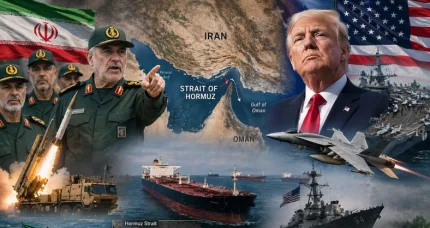
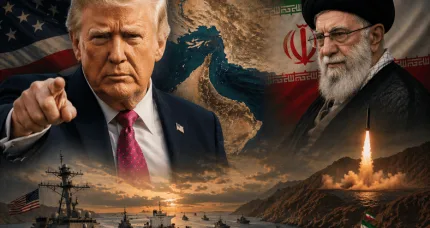
More than 10,000 U.S. sailors, Marines, and airmen, supported by over a dozen warships including an aircraft carrier strike group, are enforcing the measure with precision and overwhelming strength.
In the first day alone, at least six merchant vessels were turned back after attempting to approach Iranian ports, demonstrating the blockade’s immediate effectiveness and the willingness of commercial shipping to comply with American warnings.
President Trump made clear that any Iranian fast-attack boats from the IRGC Navy attempting to challenge the blockade would be “immediately eliminated,” drawing a firm line against the regime’s history of aggression and provocation.
This decisive action comes after marathon peace negotiations in Islamabad failed when Iran refused to abandon its nuclear ambitions and continued support for terrorism across the region.
Conservative national security experts have described the blockade as a strategic move that targets Iran’s primary source of revenue—oil exports—without committing large numbers of American ground troops to another prolonged conflict.
By targeting Iran’s ports directly, the United States is sending a clear message: American interests, the security of allies, and freedom of navigation will not be held hostage by a hostile regime.
Retired military leaders have noted the strategy restores deterrence and counters years of policies that allowed Iran to fund proxies and advance its nuclear program.
The blockade is being enforced against vessels of all nations, underscoring America’s stated commitment to consistent enforcement at sea rather than selective action.
Early maritime tracking data shows a noticeable drop in traffic near Iranian coastal areas, with ships choosing to avoid confrontation with U.S. forces.
This move also aims to stabilize global energy markets by pressuring Iran to return to negotiations rather than using threats to the Strait of Hormuz as leverage.
President Trump has indicated that talks could resume if Iran shows willingness to dismantle its nuclear enrichment capabilities and end destabilizing activities.
U.S. forces are using advanced monitoring systems, radio coordination, and, if necessary, boarding operations to maintain control of the maritime zone.
Additional carrier strike groups and minesweepers are en route to the region to ensure sustained operational dominance and readiness for any escalation.
Critics have described the operation as provocative, while supporters argue it is a necessary step to prevent a nuclear-armed Iran and protect global security.
Iran has labeled the blockade “piracy,” though U.S. officials point to Iran’s past actions, including mining sea lanes and targeting tankers, as justification for the response.
By cutting off approximately two million barrels per day of Iranian oil exports, the blockade significantly increases economic pressure that began with earlier sanctions.
American energy production is expected to help offset potential short-term disruptions, while Iran absorbs the financial impact of lost exports.
Allies in the Gulf and Israel are expected to benefit as the operation limits Iran’s ability to fund proxy groups across the region.
No breaches of the blockade have been reported, reflecting the deterrence power and operational control of U.S. naval forces.
While some Iran-linked vessels may attempt alternative routes, U.S. maritime superiority is expected to intercept efforts to bypass the blockade.
The operation marks a clear shift from previous strategies, emphasizing direct pressure rather than negotiated concessions.
President Trump’s approach reflects a broader doctrine of applying strength to achieve strategic objectives while avoiding large-scale ground conflict.
As the blockade continues, pressure on Iran is expected to intensify, forcing decisions on its nuclear program and regional activities.
The stated objective remains to compel Iran to abandon nuclear ambitions, end support for terrorism, and comply with international norms, or face continued isolation and economic pressure.
With a significant U.S. military presence in place, operations are expected to continue as long as necessary to maintain control and enforce the blockade.