

BREAKING: Scientists Have Potentially Solved The Bermuda Triangle Mystery…
 Patriot Desk
May 15, 2026
Scientists have uncovered a massive hidden structure deep beneath Bermuda that is generating fresh interest in one of the ocean’s most famous mysteries. Researchers from the Carnegie Institution of Washington and Yale University identified a previously unknown slab of buoyant rock sitting directly under the island. This low-density layer, formed from ancient carbon-rich magma, stretches

Scientists have uncovered a massive hidden structure deep beneath Bermuda that is generating fresh interest in one of the ocean’s most famous mysteries.
Researchers from the Carnegie Institution of Washington and Yale University identified a previously unknown slab of buoyant rock sitting directly under the island. This low-density layer, formed from ancient carbon-rich magma, stretches roughly 12 miles thick and functions like a giant geological raft.
We need your opinion
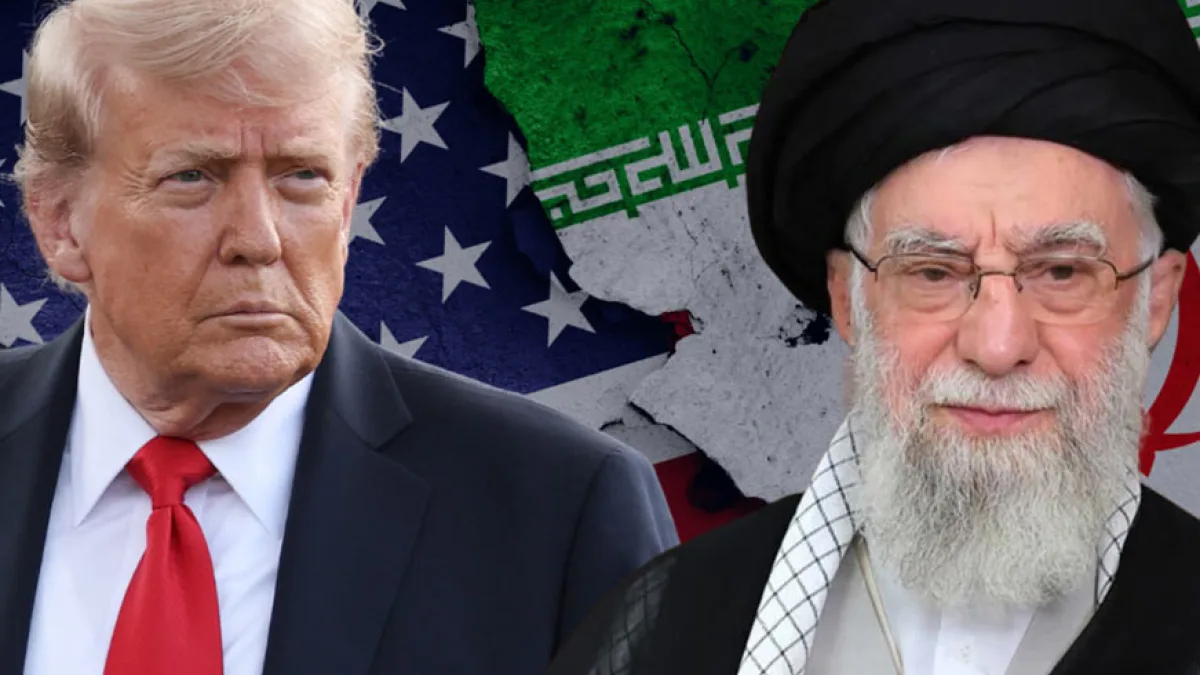
Iran says it will declare an exclusion zone in the Strait of Hormuz and punish ships that pass through. Another empty threat — they cannot enforce it. Is Iran all talk on the Strait of Hormuz?
12,200+
patriots joined
Keep reading — stay on the brief
Daily MAGA briefing in your inbox. Free, unsubscribe anytime.
The discovery helps explain why Bermuda rises prominently from the Atlantic seafloor despite not following typical volcanic island patterns. Using seismic data from 396 distant earthquakes, the team mapped this unusual underplating layer that has kept the island elevated for millions of years. While the study centers on geology, many are now connecting it to the legendary Bermuda Triangle.
The Bermuda Triangle, often called the Devil’s Triangle, covers approximately 500,000 square miles in the western North Atlantic, roughly bounded by Bermuda, Miami, and San Juan, Puerto Rico. For generations, this region has been associated with unexplained disappearances of ships and aircraft that have puzzled mariners and aviators alike.
Reports of strange events in these waters date back centuries, but public fascination exploded in the 1970s. More than 50 ships and 20 aircraft have reportedly vanished under mysterious circumstances, frequently without distress calls or recoverable wreckage. These cases continue to challenge conventional explanations and fuel debate about forces beyond normal understanding.
One of the most infamous incidents remains the 1945 disappearance of Flight 19. Five U.S. Navy Avenger torpedo bombers vanished during a routine training flight from Fort Lauderdale, Florida, along with the rescue plane sent after them. The squadron’s experienced leader reported compass malfunctions and disorientation just before radio contact was lost.
Another haunting case is the 1918 vanishing of the USS Cyclops. This massive Navy cargo ship carrying 306 people disappeared without a trace while traveling through the Triangle. No wreckage or bodies were ever found despite extensive searches, leaving families and the Navy without answers.
Skeptics in academia and government agencies have long insisted there is nothing unusual about the Bermuda Triangle. They claim disappearance rates are no higher than in other busy shipping corridors when adjusted for traffic volume. The U.S. Coast Guard has repeatedly downplayed paranormal theories, attributing losses to human error and natural hazards.
Yet many Americans remain unconvinced by these quick dismissals. Conservatives have often criticized elite institutions for rushing to shut down discussion of unexplained phenomena while demanding open scientific inquiry. This new geological discovery validates the value of continued exploration rather than premature closure.
The hidden 12-mile-thick buoyant rock layer adds an intriguing dimension. Formed more than 30 million years after Bermuda’s last major volcanic activity, it challenges standard models of how islands persist in the middle of the ocean. Some wonder whether such deep structures could influence local magnetic fields, ocean currents, or even gas releases from the seafloor.
Common natural explanations for Triangle incidents include sudden violent storms, rogue waves reaching 100 feet high, and powerful Gulf Stream currents that erase evidence rapidly. Methane gas eruptions from the seafloor have also been proposed as a mechanism capable of suddenly sinking vessels by reducing water density.
The Daily Mail report on this geological find has reignited public conversation. Many see it as evidence that the ocean still holds secrets that modern science is only beginning to uncover. For those who value tradition and wonder, it serves as a humbling reminder of how little we truly understand about God’s creation.
Bermuda itself rests on an ancient volcanic foundation. The extra buoyant slab makes its geology unique among oceanic islands. Researchers believe this structure formed from ancient magma processes that left behind lighter rock material, providing long-term buoyancy.
While scientists have not directly linked the rock layer to disappearances, the timing of the announcement has encouraged fresh speculation. Conservatives appreciate this spirit of curiosity, contrasting it with past efforts by mainstream outlets to mock anyone questioning official narratives about the Triangle.
This discovery comes at a time when Americans are increasingly skeptical of institutions that claim to have all the answers. The willingness of researchers to investigate unusual formations demonstrates the strength of genuine scientific pursuit unburdened by political correctness.
The Bermuda Triangle’s reputation endures because so many incidents occurred in otherwise calm conditions with experienced crews. Pilots and captains have reported compass failures, instrument malfunctions, and strange atmospheric effects over the decades, stories that deserve respectful examination rather than ridicule.
Supporters of traditional values see the Triangle mystery as part of humanity’s broader quest to understand the natural world and its boundaries. This new geological data enriches that quest without pretending to solve every riddle.
The Carnegie and Yale team’s work highlights how advanced seismic imaging continues to reveal surprises beneath the Earth’s surface. Their findings could reshape models of island formation and deep-Earth dynamics worldwide.
As further research explores potential connections between this buoyant structure and surface conditions, Americans should welcome open debate. Conservatives have consistently argued that true science thrives on questions, not enforced consensus.
The ocean remains one of the least explored frontiers on our planet. Discoveries like this remind us that humility before nature’s complexity is wiser than arrogant declarations that everything is already explained.
For families who have lost loved ones in the Triangle over the years, any new scientific insight offers a measure of comfort and continued hope for understanding. Their stories deserve to be remembered with dignity.
This development beautifully illustrates why America should continue leading in exploration, whether in space, the oceans, or fundamental science. Innovation and curiosity built this nation and will sustain it.
The hidden rock structure beneath Bermuda stands as yet another testament to the awesome power and intricacy of creation. It invites awe rather than the sterile materialism so often pushed by modern elites.
Whether or not this geological feature ultimately explains any Triangle incidents, it enriches the legend and encourages the next generation to approach mysteries with courage and intellectual honesty.
As more data emerges from ongoing studies, conservatives will continue championing rigorous science rooted in wonder and respect for the unknown. The Bermuda Triangle’s allure remains strong because it touches something deep in the human spirit.
This latest chapter proves that some mysteries may yield to patient investigation while others preserve their wonder. Either way, the pursuit itself strengthens our national character and connection to the natural world.
President Trump’s emphasis on American excellence in science and exploration aligns perfectly with efforts to understand such profound geological features without ideological blinders.
🚨 SHARE NOW — the REAL poll numbers are much higher than what's being shown publicly 👀
Share this post + vote today for a chance to receive a FREE surprise gift from our store before the next update drops 🎁⏳
Featured articles

BOMBSHELL: State Department Adds Two More Mexican Cartels To…
Secretary of State Marco Rubio announced this week that the United States has officially designated two more violent Mexican criminal organizations—the Juarez Cartel and Los Viagras—as Foreign Terrorist Organizations and Specially Designated Global Terrorists, marking another major step in President Donald Trump’s campaign to dismantle the narco-terrorist networks poisoning American communities. R
Trump Delivers: 16 Million Barrels Surge Through Strait of Hormuz in…
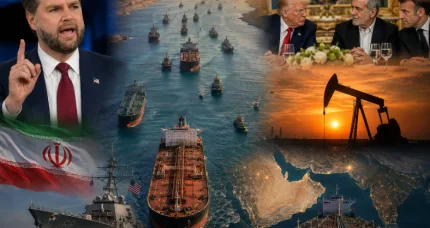
Vice President JD Vance announced Saturday morning what that same establishment could not: a record 16 million barrels of oil moved through the Strait of Hormuz in a single 24-hour period, shattering pre-conflict records and delivering the most immediate and tangible proof yet that the deal President Trump brokered with Tehran is working. Vance made

Trump Heads to Walter Reed for Routine Medical Checkup
Breaking President Donald Trump is scheduled to visit Walter Reed National Military Medical Center for a medical and dental checkup, with the White House describing the appointment as part of his routine preventive care. According to reporting on the White House announcement, the visit is expected to include annual medical and dental assessments, along with
12,200+
patriots joined
Subscribe to our newsletter
Leave your Name and Email to subscribe
12,200+
joined today
Get the daily MAGA brief in your inbox.