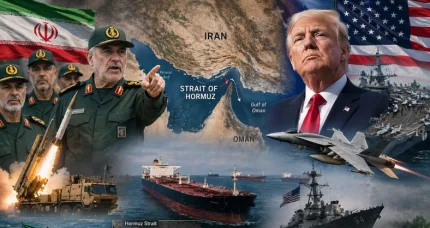
Six key U.S. allies—the United Kingdom, France, Germany, Italy, the Netherlands, and Japan—issued a joint statement on March 19, 2026, condemning Iran’s actions and pledging support to ensure safe passage through the Strait of Hormuz, a critical global oil route. The Strait of Hormuz carries about 20 percent of the world’s daily oil supply and
Six key U.S. allies—the United Kingdom, France, Germany, Italy, the Netherlands, and Japan—issued a joint statement on March 19, 2026, condemning Iran’s actions and pledging support to ensure safe passage through the Strait of Hormuz, a critical global oil route.
The Strait of Hormuz carries about 20 percent of the world’s daily oil supply and serves as the main export channel for energy from the Persian Gulf. Iran’s actions, including attacks on commercial vessels, drone and missile strikes, and threats of naval mines, have effectively created a blockade that disrupts global trade and energy security.
The six nations strongly condemned these actions and called on Iran to immediately halt all threats and violations of international law, including breaches of United Nations Security Council Resolution 2817. Leaders warned that continued aggression risks further destabilizing global markets and driving up energy prices for consumers and businesses worldwide.
12,200+
patriots joined
Keep reading — stay on the brief
Daily MAGA briefing in your inbox. Free, unsubscribe anytime.
Freedom of navigation remains a core principle of international stability, especially in key maritime corridors like the Strait of Hormuz. Disruptions in this region have ripple effects across economies, from fuel prices in the United States to industrial production in Asia.
The joint statement also confirmed the countries’ readiness to support coordinated efforts to maintain open shipping lanes. Officials noted that planning is already underway and welcomed actions by the International Energy Agency to release strategic petroleum reserves to ease pressure on global markets.
Additional reports suggest Canada may join the coalition, further strengthening international alignment against Iran’s actions and increasing diplomatic pressure on Tehran.
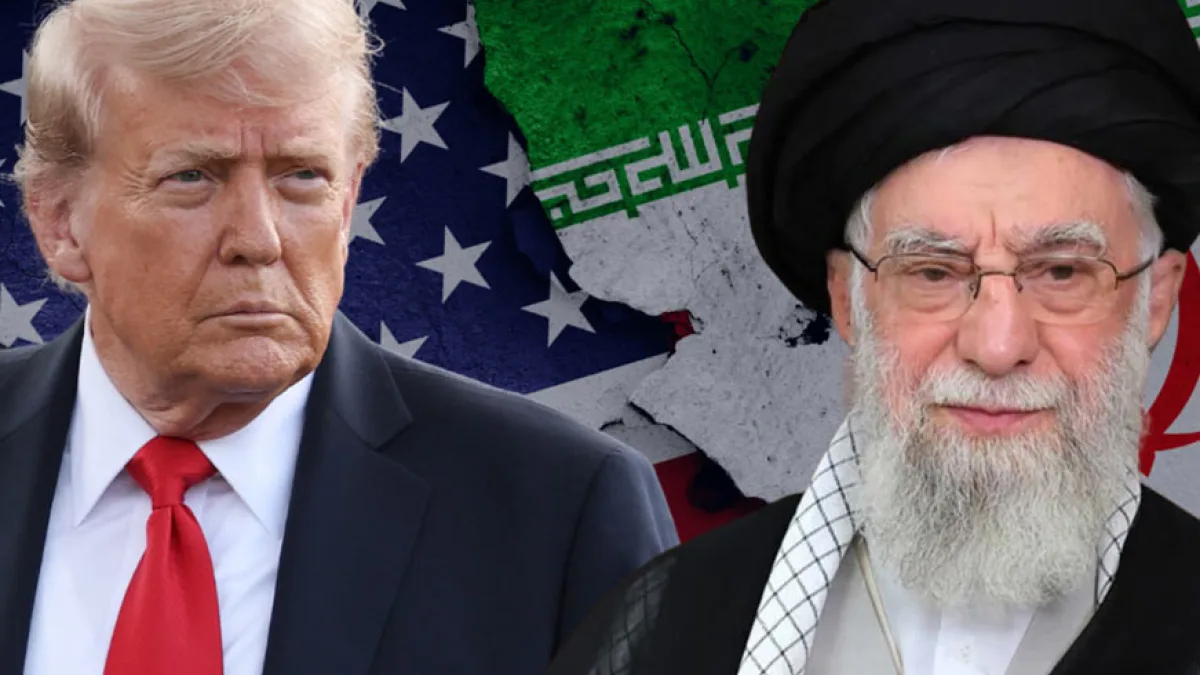
President Donald Trump has consistently called on allies to share responsibility in securing vital trade routes, particularly as the United States maintains strong energy production. This latest development reflects increased cooperation among allied nations in response to escalating threats in the region.
The United Kingdom has taken a leading role in coordinating with European and regional partners, while France has signaled openness to participating in maritime escort operations. Germany has also strengthened its stance, aligning with calls for firm action after earlier hesitation.
Japan’s involvement highlights the global impact of the crisis, given its reliance on imported energy and vulnerability to supply disruptions. Meanwhile, Italy and the Netherlands bring additional economic and logistical support to the effort.
The announcement comes as U.S. and allied operations continue targeting Iran’s military capabilities in the region, potentially creating conditions for restoring stable maritime transit. Analysts say the coalition’s formation signals growing international resolve to counter threats to global commerce.
The move also has broader implications for alliances such as NATO, reinforcing calls for shared responsibility in addressing security challenges. Early market reactions suggest cautious optimism, with oil prices showing signs of stabilization amid expectations of coordinated international action.