John Kiriakou, the former CIA officer who exposed the agency’s waterboarding program, recently made a striking claim on Fox News. He stated there is a 100% chance Kurdish forces will launch a ground invasion into Iran. This prediction arrives as U.S. military operations under Operation Epic Fury continue to hammer Iranian nuclear facilities and IRGC
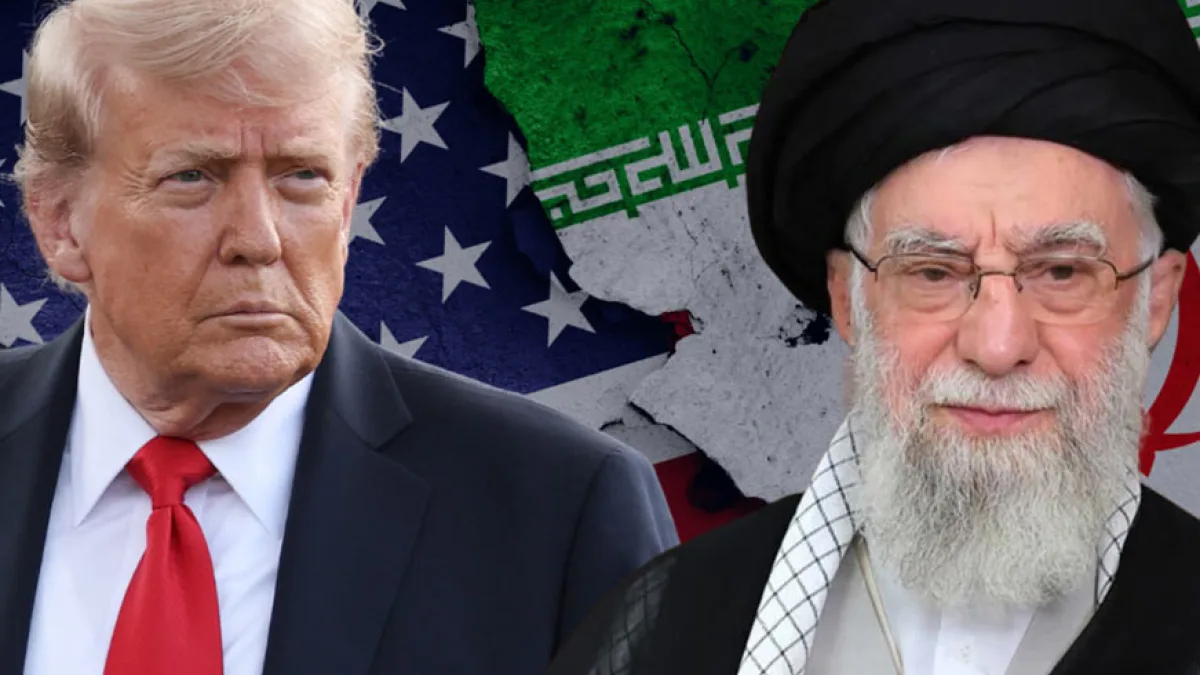
John Kiriakou, the former CIA officer who exposed the agency’s waterboarding program, recently made a striking claim on Fox News. He stated there is a 100% chance Kurdish forces will launch a ground invasion into Iran. This prediction arrives as U.S. military operations under Operation Epic Fury continue to hammer Iranian nuclear facilities and IRGC targets.
Kiriakou based his assessment on longstanding U.S.-Kurdish cooperation in the region. He explained that Kurdish fighters could seize control of historically Kurdish areas in western Iran, known as Rojhilat. Such a move would force Iranian forces to redeploy, exposing IRGC units to devastating American airstrikes.
Insider sources, including a contact at the White House, reportedly informed Kiriakou that high-level discussions have already taken place. These talks focus on arming Kurdish groups and providing air support for any cross-border action. The goal remains clear: weaken the Iranian regime without committing large numbers of U.S. ground troops.
12,200+
patriots joined
Keep reading — stay on the brief
Daily MAGA briefing in your inbox. Free, unsubscribe anytime.
Conservatives have welcomed this approach. It represents a return to a foreign policy that empowers reliable allies rather than relying solely on expensive air campaigns or risky direct intervention. Past betrayals of Kurdish partners under previous administrations make the current strategy especially appealing.
Operation Epic Fury has already degraded Iran’s nuclear program significantly. Precision strikes have destroyed key enrichment sites and missile production facilities. Iranian retaliatory missile launches have grown sporadic and less effective, according to Central Command assessments.
A Kurdish offensive would supply the missing ground component. Peshmerga units from Iraqi Kurdistan and Iranian Kurdish opposition groups stand ready to act. Reports confirm the CIA has quietly funneled weapons to these forces for several months in preparation.
Israeli officials have long advocated using Kurdish proxies to pressure Tehran. Mossad reportedly helped smuggle arms into western Iran to equip potential rebels. This coordination reflects a shared interest in preventing a nuclear-armed Iran that threatens both nations.
Ethnic Kurds in Iran have endured decades of repression under the Islamic Republic. They seek greater autonomy and cultural rights. An invasion could ignite widespread unrest, stretching Iranian security forces thin across multiple fronts.
Tehran has responded with predictable fury. Iranian artillery recently struck Kurdish positions inside Iraq, labeling them separatist threats. Such actions reveal the regime’s growing anxiety about internal dissent and border vulnerabilities.
Kurdish leaders in Erbil have requested U.S. air cover and logistical aid for any operation. While the White House publicly avoids confirming direct involvement, multiple sources describe extensive planning sessions focused on establishing secure corridors.
This model proved effective against ISIS. American airpower combined with Kurdish ground fighters delivered decisive victories with minimal U.S. casualties. Conservatives argue the same formula can succeed against a far more dangerous adversary.
Iran’s proxy network, including Hezbollah and the Houthis, has already suffered heavy losses from recent U.S. and Israeli strikes. A successful Kurdish incursion would further isolate Tehran and disrupt its ability to project power regionally.
The potential rebellion could spark a broader 2026 Kurdish uprising. Thousands of armed volunteers have expressed willingness to cross into Iran if protected by American and Israeli support. Weapon flows have increased noticeably in recent weeks.
President Trump has reportedly told Kurdish representatives to align clearly with the United States and Israel. He promised extensive air cover in exchange for decisive action against Iranian forces.
Iranian strikes on civilian infrastructure, including sports venues used by regime security personnel, expose internal weaknesses. These desperate measures have only fueled calls for regime change among opposition groups.
Israeli pressure on Washington to confront Iran has persisted for years. Under the current administration, that advocacy has finally translated into concrete military steps.
Mainstream outlets frequently dismiss Kiriakou’s prediction, pointing to denials from some Kurdish officials. Many conservatives view such reporting as deliberate attempts to obscure ongoing preparations.
Information warfare plays a major role in the current environment. Rumors and counter-rumors swirl as both sides maneuver for advantage.
China and other global actors have issued warnings about escalation risks. American resolve remains unwavering against a regime that sponsors terrorism across the Middle East and beyond.
Kiriakou’s forecast, delivered shortly before reports of heightened border activity, appears increasingly credible. Airport closures, communications blackouts, and intensified strikes all point to rising chaos inside Iran.