President Donald Trump held a White House press conference on Monday, April 6, 2026, to detail the successful rescue of two U.S. airmen whose F-15E Strike Eagle fighter jet was shot down over Iran during ongoing combat operations. The incident occurred on Friday, April 3, when Iranian forces downed the two-seat F-15E deep in enemy
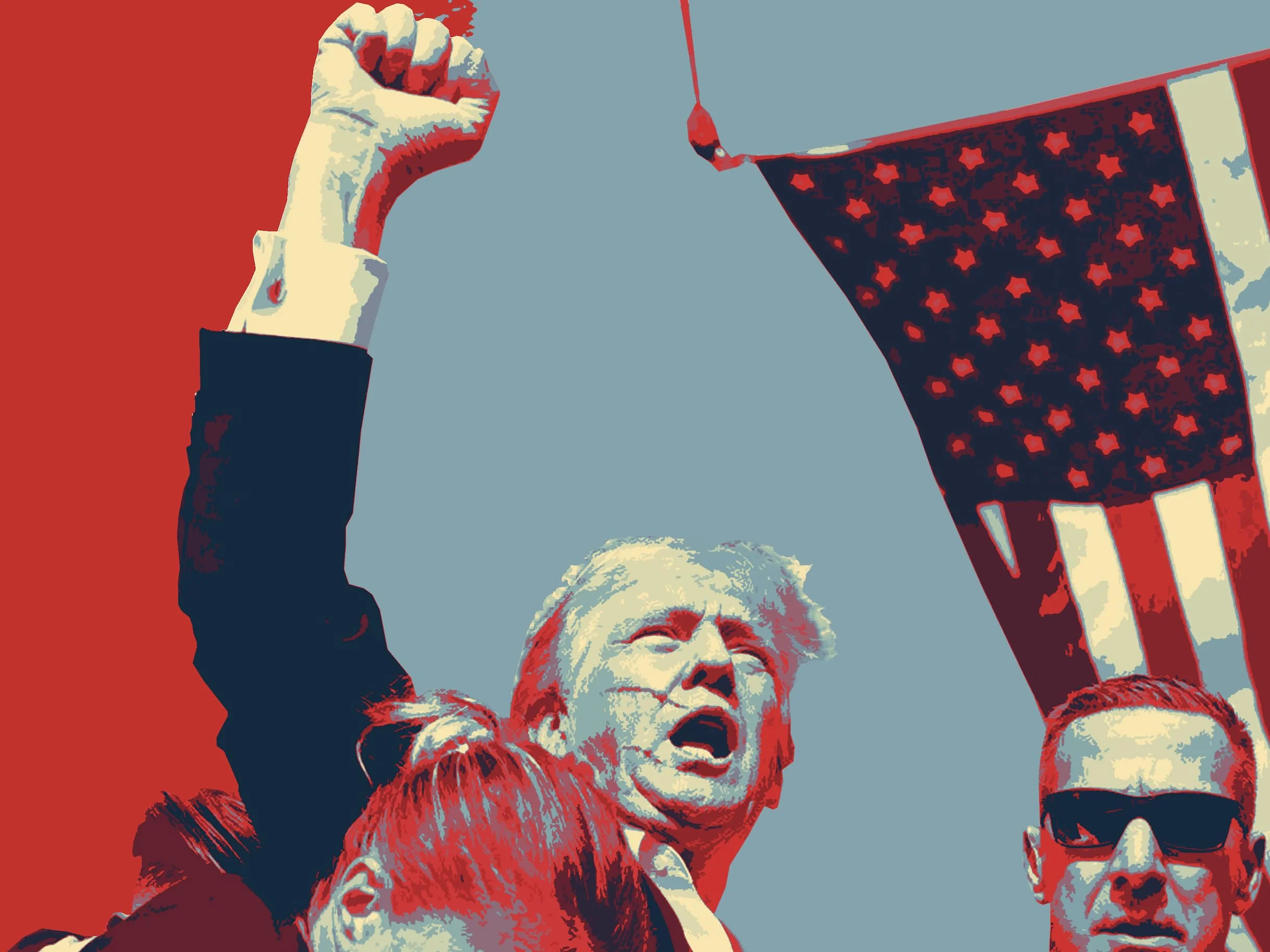
President Donald Trump held a White House press conference on Monday, April 6, 2026, to detail the successful rescue of two U.S. airmen whose F-15E Strike Eagle fighter jet was shot down over Iran during ongoing combat operations.
The incident occurred on Friday, April 3, when Iranian forces downed the two-seat F-15E deep in enemy territory. Both crew members ejected safely but were separated.
12,200+
patriots joined
Keep reading — stay on the brief
Daily MAGA briefing in your inbox. Free, unsubscribe anytime.
One airman, the pilot, was rescued the same day in a daylight operation involving U.S. forces. The second crew member—a weapons systems officer described by Trump as a highly respected colonel—evaded capture for nearly 48 hours while seriously wounded in Iran’s rugged mountainous terrain.
Trump announced the second rescue early Easter Sunday morning via Truth Social, declaring “WE GOT HIM!” and emphasizing that the U.S. military pulled off one of the most daring search-and-rescue missions in American history.
“This is the first time in military memory that two U.S. pilots have been rescued, separately, deep in enemy territory,” Trump stated. “WE WILL NEVER LEAVE AN AMERICAN WARFIGHTER BEHIND!”
During the Monday press conference, joined by Defense Secretary Pete Hegseth and Joint Chiefs Chairman Dan Caine, Trump described the operation in detail. The first wave involved 21 aircraft flying for hours under heavy enemy fire.
The overall effort reportedly involved more than 150 aircraft, over 200 munitions, special operations forces (including elements linked to Navy SEAL Team 6), CIA deception operations, and significant subterfuge to mislead Iranian pursuers.
The wounded airman survived with little more than a handgun for defense, hiding in a mountain crevice as Iranian forces hunted him. U.S. rescuers extracted him in a nighttime raid without a single American casualty.
Trump called the successful mission proof of “overwhelming air dominance and superiority over the Iranian skies,” noting that the U.S. has already neutralized much of Iran’s navy and air defenses.
He opened the briefing by saying it had been “one of our better Easters,” praising the bravery of the airmen and the skill of U.S. forces.
The rescues occurred amid broader U.S. and Israeli military pressure on Iran, including strikes aimed at degrading the regime’s capabilities. A second U.S. aircraft, possibly an A-10, was also reported hit around the same time, though details varied across accounts.
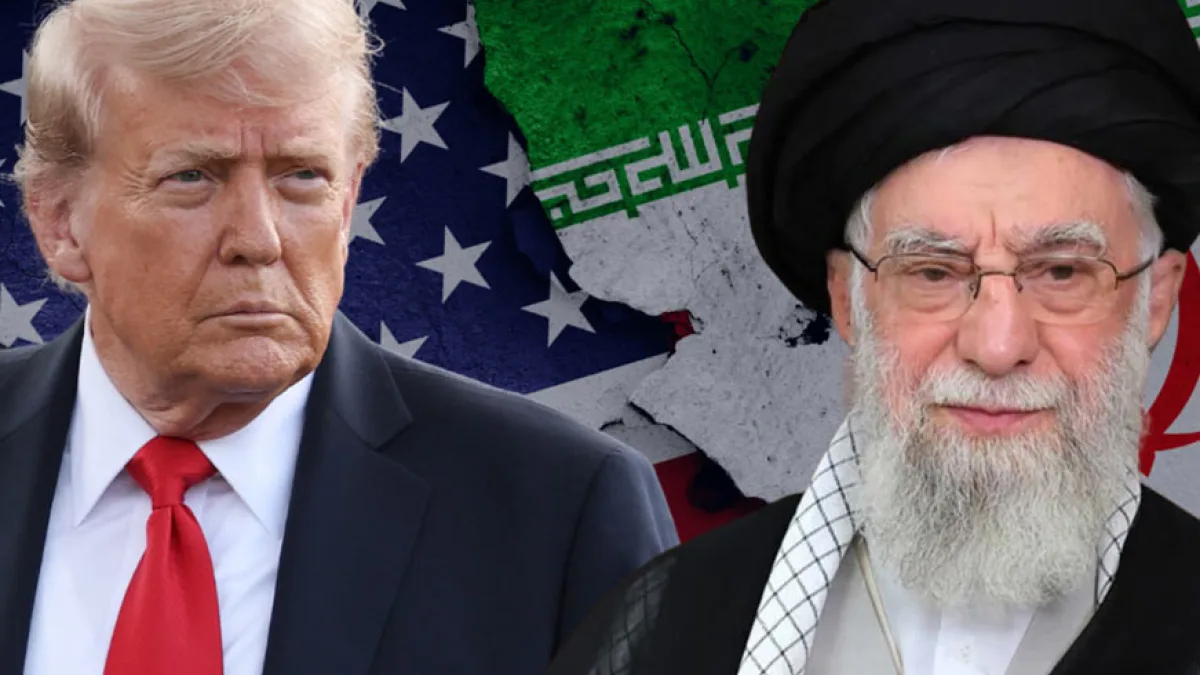
Trump used the platform to issue strong warnings to Iran. He threatened to “decimate” every bridge and obliterate power plants and other infrastructure by a deadline if Tehran does not agree to terms, including reopening the Strait of Hormuz.
The president stressed that the U.S. has a clear plan to end the conflict on American terms and will not tolerate Iranian aggression or closure of vital shipping lanes.
Hegseth and Caine joined in lauding the operation, highlighting the coordination, courage, and technological edge that allowed boots-on-the-ground extraction inside hostile territory—the first such instance in recent memory.
Trump reiterated a core principle: the United States leaves no one behind, a commitment demonstrated vividly over the Easter weekend.
The press conference also touched on ongoing negotiations, with Trump suggesting Iran may be talking “in good faith” while maintaining maximum pressure through military superiority.
Conservative observers praised the outcome as a testament to restored American strength under Trump’s leadership, contrasting it with past administrations perceived as weaker on national security.
The successful rescues denied Iran a major propaganda victory and boosted morale among U.S. forces engaged in the conflict.
Both airmen are reported to be recovering from injuries sustained in the ejection and ordeal.
The operation, sometimes referred to in context as supporting “Operation Epic Fury,” showcased advanced U.S. capabilities, including real-time monitoring and rapid deployment of overwhelming force.
Trump noted challenges during the mission, such as Black Hawk helicopters taking fire and issues with transport aircraft that had to be destroyed to prevent capture.
Despite these hurdles, the mission succeeded flawlessly in terms of American lives saved.